Dogs need regular walks, not just as a treat but as a must. Without them, dogs can get restless and destructive. A lack of exercise is a significant contributor to canine obesity , which can cause serious health problems. Not taking dogs for walks can harm their health and happiness. Regular walks provide essential mental stimulation . They help reduce stress and anxiety in dogs. Key Takeaways Regular dog walks are crucial for maintaining physical health. Skipping dog walks can lead to destructive behavior. Canine obesity is a significant risk without regular exercise. Mental stimulation through walks reduces stress and anxiety. Consistency in walking routines is key to a dog's overall well-being. The Vital Role of Regular Exercise for Dogs Regular exercise is key for a dog's health and happiness. Dogs, no matter their breed or size, need daily activity. Dr. Karen Becker, a renowned veterinarian, once said , "Exercise is essential for dogs to maintain a healthy weight, i...
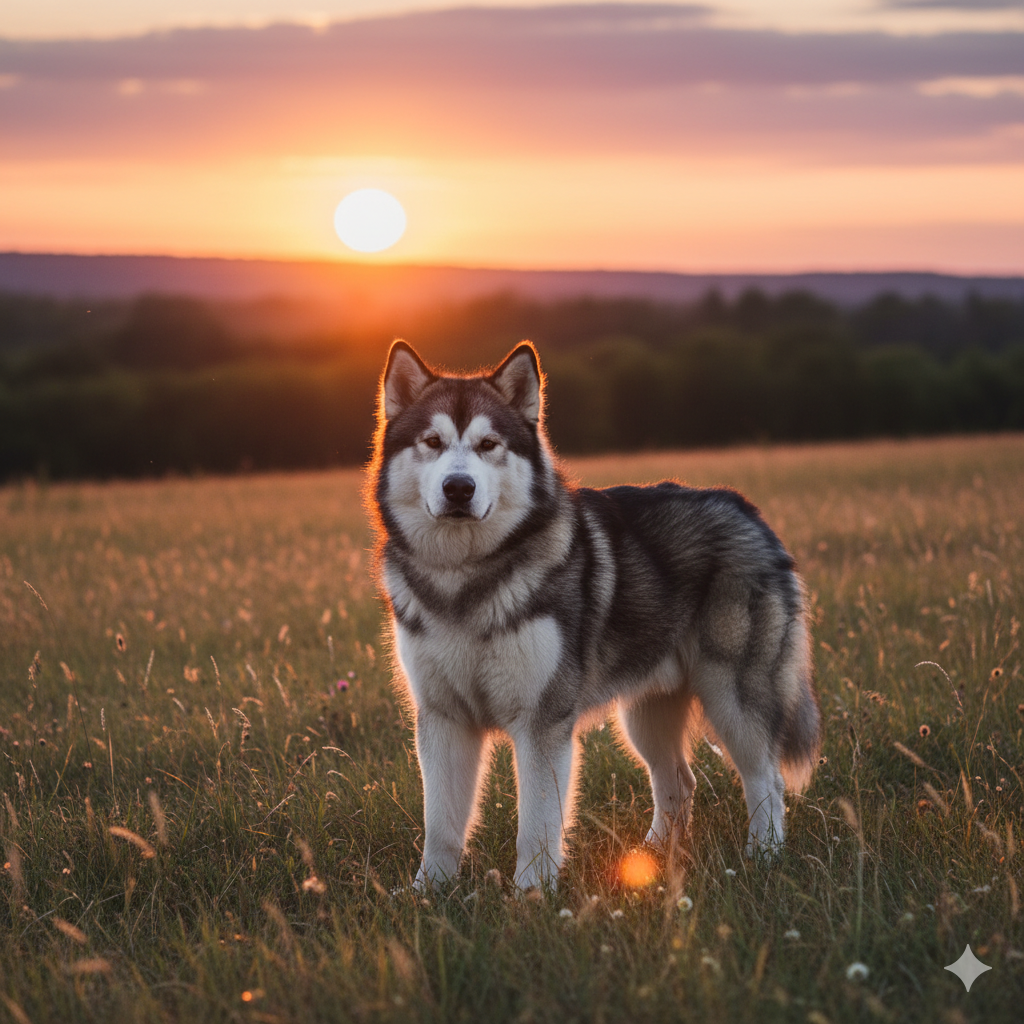
Picture this: a snowy afternoon, kids tossing snowballs in the yard, and at the center—an enormous woolly dog, tail curled over its face and a child using its back as a ski jump. That was my neighbor’s Alaskan Malamute. I wondered, is this iconic working dog really cut out for domestic chaos, or is there more to its family-story allure than thick fur and heroics? Let’s dig in, muddy paws and all, to the truth about Alaskan Malamutes in the family tree.
The Affectionate (and Surprisingly Gentle) Giant
At first glance, the Alaskan Malamute might seem like an intimidating presence in the living room. With their powerful build, thick fur, and wolf-like features, these dogs often turn heads wherever they go. However, beneath this impressive exterior lies a heart that is both affectionate and loyal. In fact, the Alaskan Malamute is renowned for being a friendly and gentle family dog, thriving on close companionship and inclusion in daily life.
Despite their size, Malamutes are known for their gentle approach, especially around children. Many families share stories of their Malamutes acting like oversized lapdogs—curling up beside toddlers, patiently enduring dress-up games, or simply lying quietly as a trusted childhood confidante. Their calm and tolerant nature makes them a wonderful choice for households with kids, provided that children are taught to respect the dog’s boundaries.
'Alaskan Malamutes are big-hearted dogs who thrive when surrounded by their loved ones.' – Dr. Susan Rice
One of the most endearing qualities of the Alaskan Malamute is their deep need for companionship. These dogs form strong bonds with their families and are happiest when included in all aspects of home life. Whether it’s joining in on outdoor adventures like hiking and camping, or simply lounging during a family movie night, Malamutes want to be at the center of the action. Their playful streak often shines through, making them enthusiastic participants in games and activities with both adults and children.
Here are some key traits that make the Alaskan Malamute a beloved family dog:
Affectionate and loyal: Malamutes are known for their unwavering loyalty and desire to be close to their humans.
Friendly and gentle: Despite their imposing appearance, they are gentle giants, especially around children.
Patient and tolerant: Many Malamutes will patiently endure the antics of young family members, from dress-ups to cuddles.
Playful and energetic: Their playful nature makes them excellent companions for active families who enjoy outdoor activities.
It’s important to note that the Alaskan Malamute’s affectionate and loyal nature comes with a need for constant companionship. These dogs do not do well when left alone for long periods. Without regular social interaction and mental stimulation, they can become bored or anxious. For this reason, Malamutes are best suited to families where someone is home most of the day, or where the dog can be included in daily routines and outings.
With a lifespan of 10-12 years, Alaskan Malamutes can be a long-term source of joy and companionship for families who can meet their needs. Their loving and gentle demeanor, combined with their playful energy, ensures they are not just pets, but cherished members of the family.
The Sled Dog’s Mind: Pack Mentality, Intelligence, and the Occasional Stubborn Stand
Alaskan Malamutes are more than just beautiful, powerful dogs—they are thinkers with a strong pack mentality and a reputation for being both highly intelligent and independent. These traits are deeply rooted in their history as sled dogs, bred to work together in harsh Arctic conditions. Understanding how these qualities shape their behavior is key for any family considering a Malamute as a companion.
Pack Mentality: The Family as a Team
Malamutes see their human families as their pack. This means they want to be involved in every aspect of daily life, from playtime to even following you to the bathroom. Their need for inclusion isn’t just endearing—it’s essential to their well-being. Left out or isolated, a Malamute can become bored or anxious, leading to unwanted behaviors. Their teamwork instincts make them loyal, but also means they expect to have a say in the household dynamic.
Expect constant company: Malamutes thrive when they feel like part of the team.
Pack order matters: They don’t see humans as strict bosses, but as fellow pack members.
Socialization is crucial: Early and ongoing socialization helps them understand their place in the family pack.
Highly Intelligent, Yet Independent and Stubborn
Malamutes are quick learners, often figuring out puzzle toys or new routines with ease. However, their intelligence comes with a strong streak of independence. Unlike breeds eager to please, a Malamute may choose to ignore commands if something else catches their attention—like an interesting scent or a squirrel in the yard. As one trainer puts it:
“Training a Malamute is like negotiating with a furry five-year-old lawyer—consistency and patience win.” – Trainer Ben Carter
This independence can be mistaken for disobedience, but it’s really a sign of their thoughtful, sometimes stubborn nature. They like to weigh their options before responding, which can be challenging for first-time dog owners.
Training and Obedience: The Teenage Test
The “teenage stage” is a well-known period in a Malamute’s development, often occurring between 6 months and 2 years. During this time, young Malamutes are notorious for testing boundaries and pushing limits. Early, persistent training and obedience are essential to guide them through this phase.
Start early: Puppy classes and basic obedience should begin as soon as possible.
Be consistent: Rules and routines need to be clear and unchanging.
Use positive reinforcement: Rewards and praise work far better than harsh discipline.
Without committed training and daily mental challenges, a Malamute’s stubborn streak can lead to behavioral issues. Their intelligence means they need engaging activities—think advanced obedience, agility, or even pulling a cart—to stay happy and well-behaved.
Ultimately, the Alaskan Malamute’s mind is a blend of teamwork, smarts, and a dash of stubbornness. With the right approach, these qualities can make them a devoted and entertaining member of the family pack.
The Wild Card: Wolves, Howling, and Family Quirks
At first glance, the Alaskan Malamute’s wolf-like appearance can be both awe-inspiring and a little intimidating. Delivery drivers, new friends, and even the occasional neighbor might do a double-take when they see this majestic breed at your door. Despite their imposing looks, Malamutes are famously friendly—so much so that they’re far more likely to greet a burglar with a wagging tail and a sloppy kiss than to act as effective guard dogs. Their gentle nature with people is one of their most endearing quirks, but it also means families should not rely on them for home security.
Howling Behavior: Communication from the Arctic
One of the most distinctive—and sometimes surprising—traits of the Alaskan Malamute is their tendency to howl. This vocal behavior is a direct link to their arctic sled dog heritage, where howling was a key form of communication across snowy expanses. In a modern home, Malamutes may howl in response to ambulance sirens, music, or simply when they feel lonely or bored. Their expressive nature means they use a range of sounds, from deep howls to playful “talking,” to communicate with their human family.
'They might look like lone wolves, but Malamutes are happiest as part of your pack—just don’t expect silence.' – Dog behaviorist Karen Lee
For families considering a Malamute, it’s important to understand that this breed is not quiet. Howling and vocalizing are common, especially if the dog is left alone for long periods. Providing companionship, mental stimulation, and early socialization can help manage excessive noise, but some level of “conversation” is simply part of the Malamute package.
Strong Prey Drive: The Challenge in Multi-Pet Households
Another key aspect of the Malamute’s personality is their strong prey drive. Bred as working and hunting dogs, Malamutes have an instinct to chase and sometimes hunt smaller animals. This trait can make them a poor fit for households with small pets such as rabbits, guinea pigs, or even cats. While early socialization can sometimes help Malamutes learn to coexist with other animals, their ancient instincts may still surface unexpectedly.
Multi-pet households: Caution is advised, especially with small, fluffy animals.
Supervision: Always supervise interactions between Malamutes and other pets.
Training: Consistent training and early exposure to other animals can reduce, but not eliminate, the risk.
It’s important to remember that while Malamutes are rarely aggressive toward people, their prey drive is real and can override even the best intentions. This is not a breed that can be trusted off-leash in unfenced areas or around unfamiliar animals.
Companion Dogs, Not Guard Dogs
Despite their size and striking looks, Alaskan Malamutes are companion dogs at heart. They thrive on being part of a family “pack” and are happiest when included in daily activities. Their loyalty and affectionate nature make them wonderful family members, but their friendliness means they are not suited to be guard dogs. Instead, their quirks—howling, strong prey drive, and love of company—are all part of what makes living with a Malamute a truly unique experience.
Conclusion: Home for an Arctic Heart—Are You Ready?
Welcoming an Alaskan Malamute into your home is not a decision to make lightly. These dogs are more than just beautiful companions with thick, wolf-like coats and expressive eyes—they are true members of the family pack, thriving on companionship, proper training, and a sense of belonging. As sled dog musher Evelyn James puts it,
“They’re not just pets—they’re partners in every sense.”
If you’re considering an Alaskan Malamute, it’s important to understand what makes them unique. Malamutes are happiest when surrounded by active families who include them in daily life. They require a significant amount of outdoor space to roam and play, and they need regular, vigorous exercise to stay healthy and content. Without enough activity and engagement, these intelligent dogs can become bored or even destructive. Their need for companionship is just as strong—they don’t do well left alone for long periods and can develop separation anxiety if not included as part of the family.
Proper training is essential for any Malamute. Their independent streak and natural strength mean that early socialization and consistent, positive training are crucial. This is not a breed for first-time dog owners or those looking for a low-maintenance pet. Instead, Alaskan Malamutes are best suited for families who are willing to invest time, patience, and energy into their dog’s well-being. They need clear boundaries, regular routines, and a family that understands their need for both structure and adventure.
Life with a Malamute means embracing their wild side. While they may not be wolves, their instincts for exploration, digging, and even howling are strong. This wildness, when channeled into healthy outlets like hiking, running, or pulling sleds, can make for a deeply rewarding relationship. Malamutes love to be involved in family activities, from outdoor adventures to simply relaxing at home. They will leave fur on every surface and require regular grooming, but in return, they offer warm snuggles, unwavering loyalty, and a joyful presence in everyday life.
For the right family, an Alaskan Malamute is more than just a pet—they become a legendary participant in your daily adventures. If you have the outdoor space, time for proper training, and a lifestyle that values companionship and activity, you may be ready to welcome an Arctic heart into your home. Remember, owning a Malamute is a long-term commitment, but for those who are prepared, the rewards are truly unforgettable. Are you ready to make your home a haven for an Alaskan Malamute?
TL;DR: Alaskan Malamutes can be wonderful family dogs for active, outdoorsy households—if you’re ready for persistent fur, stubbornness, howling, and a whole lot of affection. Training, socialization, and time together are key.
Disclaimer: The author(s) of this blog are not veterinarians and assume no responsibility for the use or misuse of the information provided. Reliance on any information from this site is solely at your own risk. This blog may contain affiliate links, meaning we may earn a commission if you purchase products through these links. These commissions help support the site but do not influence our recommendations — we only suggest products we believe may benefit your pet's wellness.
Disclaimer: The content provided on Natural Dog Wellness Hub is for informational and educational purposes only. It is not intended as a substitute for professional veterinary advice, diagnosis, or treatment. Always seek the guidance of a licensed veterinarian or qualified pet health provider with any questions you may have regarding your dog's health, medical condition, or treatment options.
Comments
Post a Comment