Dogs need regular walks, not just as a treat but as a must. Without them, dogs can get restless and destructive. A lack of exercise is a significant contributor to canine obesity , which can cause serious health problems. Not taking dogs for walks can harm their health and happiness. Regular walks provide essential mental stimulation . They help reduce stress and anxiety in dogs. Key Takeaways Regular dog walks are crucial for maintaining physical health. Skipping dog walks can lead to destructive behavior. Canine obesity is a significant risk without regular exercise. Mental stimulation through walks reduces stress and anxiety. Consistency in walking routines is key to a dog's overall well-being. The Vital Role of Regular Exercise for Dogs Regular exercise is key for a dog's health and happiness. Dogs, no matter their breed or size, need daily activity. Dr. Karen Becker, a renowned veterinarian, once said , "Exercise is essential for dogs to maintain a healthy weight, i...
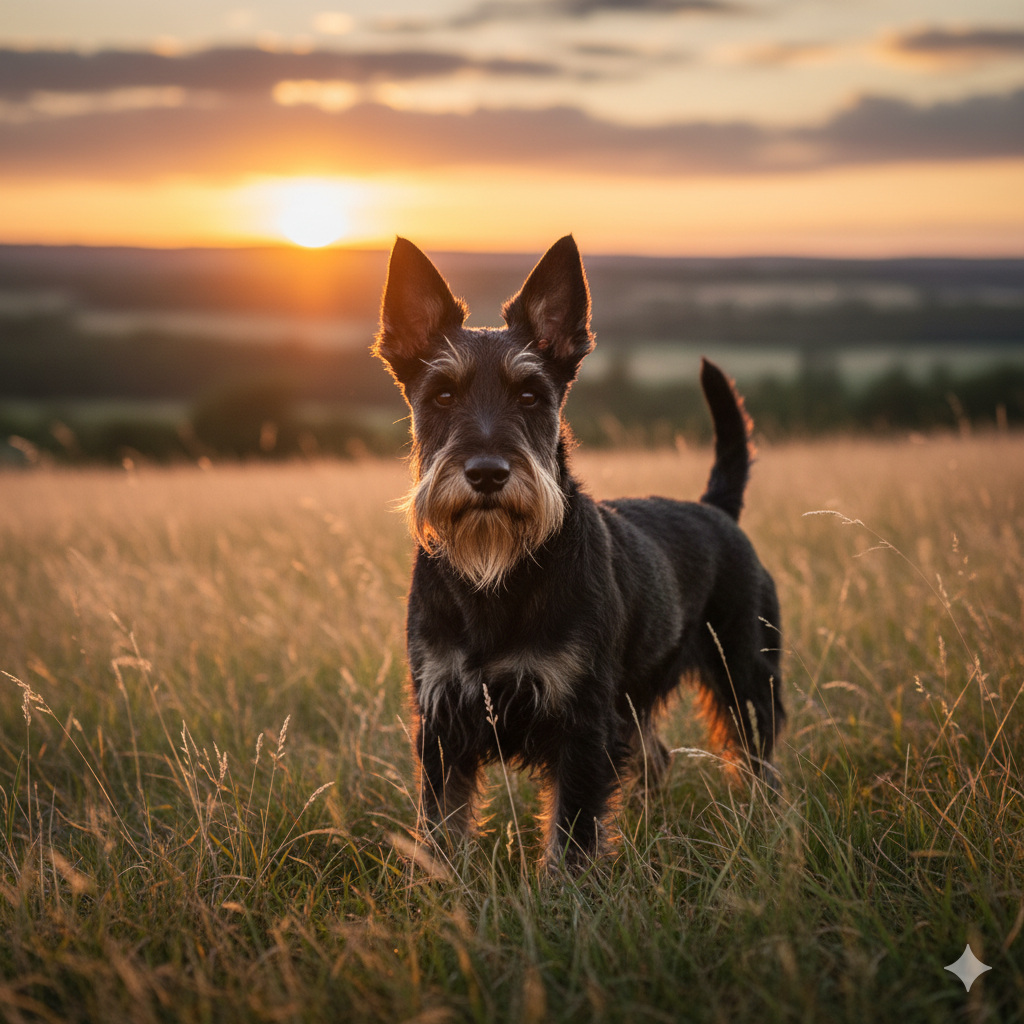
Let’s be real: The first time you encounter a Scottish Terrier in full stride, beard fluttering, you might think a Victorian-era general has come to inspect your living room rug. Years ago, a neighbor’s Scottie—Sir Angus McFuzzle—taught my overconfident Lab the importance of respecting boundaries and beards. These little tanks are more than their dignified looks, so if you’re wondering whether a Scottie’s right for your family, let’s peel back the tartan and sniff out the real story.
The Quirky Core: Temperament, Personality, and That Famous Stubbornness
When it comes to Scottish Terrier temperament, there is no mistaking the breed’s unique blend of independence, loyalty, and dignified charm. Scottish Terriers, affectionately known as Scotties, are not your typical lapdogs. Their personality traits are as distinctive as their iconic beards and bushy eyebrows. If you’re considering a Scottie as a pet, understanding their quirky core is essential to a happy partnership.
Scottish Terrier Personality Traits: Independent but Deeply Loyal
Scottish Terriers are famously independent. They are dogs with strong opinions and a mind of their own. Don’t expect blind obedience; instead, expect a companion who will think things through and sometimes decide their way is best. This independence is often described as stubbornness, but it’s really a sign of their self-confidence and intelligence. As John Reed once quipped:
‘You never own a Scottie; you negotiate terms.’
Despite their independent streak, Scotties are deeply loyal to their families. They form strong bonds with their people and are happiest when included in family life. Their devotion is unwavering, and they will often follow their favorite person from room to room, always keeping a watchful eye.
Reserved with Strangers, Affectionate with Family
One of the most defining Scottish Terrier temperament traits is their reserved nature around strangers. Scotties are not typically outgoing or eager to make friends with every new person they meet. Instead, they observe newcomers with a dignified air, often taking their time before warming up. This reserved behavior is not shyness—it’s simply their way of assessing the situation.
Once a Scottie accepts someone into their circle, their affectionate side shines through. They are gentle and loving with children and family members, often displaying a playful side at home. A personal anecdote illustrates this perfectly: one Scottie I knew would only greet guests after a formal inspection of their shoes. Only after this ritual would he allow himself to be petted, as if he were the host of a grand estate.
Natural Watchdogs: Quiet, Alert, and Discerning
The Scottish Terrier watchdog instinct is strong. These dogs are naturally alert and protective, making them excellent guardians of the home. Unlike some small breeds, Scotties are not yappy. They bark only when necessary, usually to alert their family to something unusual. This makes them ideal for those who want a vigilant companion without constant noise.
Alert but not anxious: Scotties notice everything, but don’t overreact.
Selective barking: They use their voice with purpose, not for attention.
Protective nature: Their loyalty extends to guarding their home and loved ones.
Strong Prey Drive: Squirrels Beware!
Scottish Terriers were bred to hunt and dig, and that history is still very much alive in their behavior today. Their strong prey drive means that small animals—especially squirrels—should be on alert. Scotties love to chase and will often pursue anything that moves quickly. This trait can make off-leash walks risky, so a secure yard or leash is a must.
Persistent chasers: Their hunting instinct is powerful and persistent.
Digging tendencies: Don’t be surprised to find holes in your garden.
Early training needed: Socialization and training can help manage these instincts.
The Diehard Spirit: Ruggedness and Stubbornness
Scottish Terriers are often described as having a “Diehard” spirit—a nod to their legendary persistence and ruggedness. This trait is both a blessing and a challenge. Their self-confidence and stubbornness mean they need early, firm, and gentle training. Consistent boundaries and positive reinforcement work best. Without it, their strong will can lead to behavior issues.
Despite their quirks, Scotties are known for their dignified presence and unwavering loyalty. They thrive in homes where their independent nature is respected and their need for companionship is met. With an average lifespan of 11-13 years, a well-trained Scottie is a devoted family member, a discerning watchdog, and a character you’ll never forget.
Care and Commitment: Grooming, Health, and Living with a Scottie
Scottish Terrier Care Grooming: More Than Just a Brush-Through
Scottish Terriers are famous for their dignified looks and iconic whiskers, but their wiry double coat is more than just a fashion statement. Regular grooming is a cornerstone of Scottish Terrier care requirements. Their weather-resistant coat needs brushing at least twice a week to prevent matting and tangles. Many owners describe it as “tending a prize vegetable garden”—a little effort, done consistently, keeps things thriving. In addition to brushing, hand-stripping (removing dead hairs by hand or with a stripping knife) every few months is recommended to maintain coat health and texture. Clipping is an alternative, but it can soften the coat over time.
‘A Scottie’s coat is like a kilt—classic, but needs the right care.’ – Fiona Campbell
Bathing should be occasional, as frequent washing can strip natural oils. Don’t forget the beard and feet—these areas collect debris and need special attention. Many Scottie owners find grooming sessions turn into lighthearted comedy skits, as their dogs often have strong opinions about brushes and clippers. For those less confident in their grooming skills, professional grooming every 6-8 weeks is a wise investment.
Scottish Terrier Exercise Needs: Energy in Moderation
When it comes to exercise, Scottish Terriers are not marathon runners, but they do need regular activity. A daily walk and some playtime in a secure, fenced yard are usually enough to keep them fit and content. Scottish Terrier exercise needs also include mental stimulation—think puzzle toys, scent games, or short training sessions. Without enough to do, a bored Scottie may invent their own entertainment, which can mean digging, barking, or rearranging your socks.
Daily walks: 20-40 minutes, split into two sessions if needed
Playtime: Fetch, tug, or supervised yard exploration
Mental stimulation: Puzzle feeders, hide-and-seek, basic obedience training
Scotties adapt well to apartment living as long as their exercise needs are met, but a fenced yard is a bonus for safe, off-leash fun.
Scottish Terrier Health Issues: What to Watch For
Like many purebred dogs, Scottish Terriers have some breed-specific health concerns. Responsible Scottish Terrier care means being aware of these risks and choosing breeders or rescues who screen for common Scottish Terrier health issues. The most notable health hot spots include:
Von Willebrand’s Disease: A blood-clotting disorder that can lead to excessive bleeding from even minor wounds.
Patellar Luxation: A condition where the kneecap slips out of place, causing discomfort or lameness.
Skin Allergies: Scotties are prone to itchy skin, which may require special diets, regular bathing, or medication.
Other Scottish Terrier health concerns include craniomandibular osteopathy (a jaw bone disorder in puppies) and bladder cancer. Regular veterinary check-ups and preventive care are essential. The average lifespan is 11-13 years, but with attentive care, some Scotties live even longer.
Living with a Scottie: Companionship and Commitment
Scottish Terriers are known for their independent spirit, but they also form strong bonds with their families. They tolerate alone time better than some breeds, making them suitable for owners who work outside the home. However, leaving a Scottie alone for endless hours can lead to separation anxiety and unwanted behaviors. It’s important to balance independence with quality time together.
Alone time: Can manage moderate periods alone, but not all day, every day
Family life: Loyal, affectionate, but may be reserved with strangers
Children and pets: Best with respectful children; early socialization helps with other pets
Scottish Terrier care requirements are moderate but essential. Their grooming and exercise routines, combined with attention to health concerns, shape a unique owner-dog relationship—sometimes challenging, often rewarding, and always full of character.
Training a Rugged Individualist: Tips, Triumphs, and the Odd Stand-Off
Anyone who has ever shared their home with a Scottish Terrier knows that training this breed is a unique adventure. With their legendary independence and sharp intelligence, Scotties are the embodiment of the phrase “rugged individualist.” While their bold personality is part of their charm, it also means that Scottish Terrier training challenges are real—and sometimes hilarious. Understanding Scottish Terrier behavior and temperament is the first step to building a rewarding partnership with this iconic breed.
Scottish Terriers are not the type to blindly follow orders. As Linda MacGregor aptly puts it,
“Training a Scottie is like debating with a witty lawyer—they’ll only listen if you persuade them.”
This sums up the Scottish Terrier temperament behavior perfectly. They are clever, quick to learn, and just as quick to question your motives. If you’re looking for a dog who will obey every command without question, a Scottie might leave you scratching your head. But if you enjoy a bit of negotiation and trust-building, you’ll find the process deeply rewarding.
One of the most important Scottish Terrier training tips is to start early and be consistent. Scotties are known for their strong will, and if you don’t set boundaries from the beginning, they’ll happily set their own. Firm, gentle guidance is crucial—harsh methods will only make them dig in their heels. Positive reinforcement, especially with treats or praise, works wonders. Patience is your best friend; Scotties respond to encouragement, not intimidation.
Socialization is another key aspect of Scottish Terrier training. These dogs are naturally reserved and will size up every new guest, deciding for themselves who deserves a tail wag. Early exposure to a variety of people, pets, and environments helps prevent excessive aloofness or suspicion. A well-socialized Scottie is confident and adaptable, but always retains that signature air of self-assurance.
Of course, training a Scottie comes with its fair share of stand-offs. Their strong prey drive means that a squirrel or rabbit can instantly override any command you give. Recall training, in particular, is a project that requires extra patience and creativity. Many Scottie owners can relate to the experience of calling their dog, only to watch them give a quick glance before dashing off in pursuit of something far more interesting. It’s not defiance—it’s instinct.
Scottish Terrier training challenges often turn into stories you’ll tell for years. Take, for example, the case of my friend’s Scottie, Fergus. Presented with a complicated dog puzzle, Fergus quickly realized that fiddling with the levers and sliders was a waste of time. Instead, he simply tipped the whole thing over, spilling the treats onto the floor. Was it cheating? Perhaps. Was it effective? Absolutely. This kind of creative problem-solving is classic Scottie behavior—resourceful, independent, and just a little bit cheeky.
It’s important to remember that every training session is a mix of negotiation and trust-building. Scotties thrive when they feel respected and engaged. If you make training fun and rewarding, they’ll surprise you with their abilities. But if you try to force them or use harsh corrections, you’ll quickly find yourself in a stand-off with a dog who can out-stubborn a mule.
For those willing to embrace the quirks of Scottish Terrier temperament behavior, the rewards are immense. You’ll gain a loyal companion who is both entertaining and fiercely devoted. Training a Scottie isn’t about creating a robot—it’s about forging a partnership built on mutual respect and understanding. With patience, consistency, and a pocket full of treats, you’ll discover that the journey is just as delightful as the destination.
In the end, Scottish Terriers are far more than just their distinguished whiskers. Their independent spirit, intelligence, and humor make them unforgettable pets. Training may have its ups and downs, but every triumph—and even the odd stand-off—only deepens the bond between you and your Scottie. If you’re ready for a challenge and a lot of laughs, a Scottish Terrier will reward you with a lifetime of loyalty and love.
TL;DR: Scottish Terriers are fiercely loyal, spunky, and independent—but require committed training and care. Great for dog lovers seeking a blend of old-school charm and a dash of independent spirit.
Disclaimer: The author(s) of this blog are not veterinarians and assume no responsibility for the use or misuse of the information provided. Reliance on any information from this site is solely at your own risk. This blog may contain affiliate links, meaning we may earn a commission if you purchase products through these links. These commissions help support the site but do not influence our recommendations — we only suggest products we believe may benefit your pet's wellness.
Disclaimer: The content provided on Natural Dog Wellness Hub is for informational and educational purposes only. It is not intended as a substitute for professional veterinary advice, diagnosis, or treatment. Always seek the guidance of a licensed veterinarian or qualified pet health provider with any questions you may have regarding your dog's health, medical condition, or treatment options.
Comments
Post a Comment