Dogs need regular walks, not just as a treat but as a must. Without them, dogs can get restless and destructive. A lack of exercise is a significant contributor to canine obesity , which can cause serious health problems. Not taking dogs for walks can harm their health and happiness. Regular walks provide essential mental stimulation . They help reduce stress and anxiety in dogs. Key Takeaways Regular dog walks are crucial for maintaining physical health. Skipping dog walks can lead to destructive behavior. Canine obesity is a significant risk without regular exercise. Mental stimulation through walks reduces stress and anxiety. Consistency in walking routines is key to a dog's overall well-being. The Vital Role of Regular Exercise for Dogs Regular exercise is key for a dog's health and happiness. Dogs, no matter their breed or size, need daily activity. Dr. Karen Becker, a renowned veterinarian, once said , "Exercise is essential for dogs to maintain a healthy weight, i...
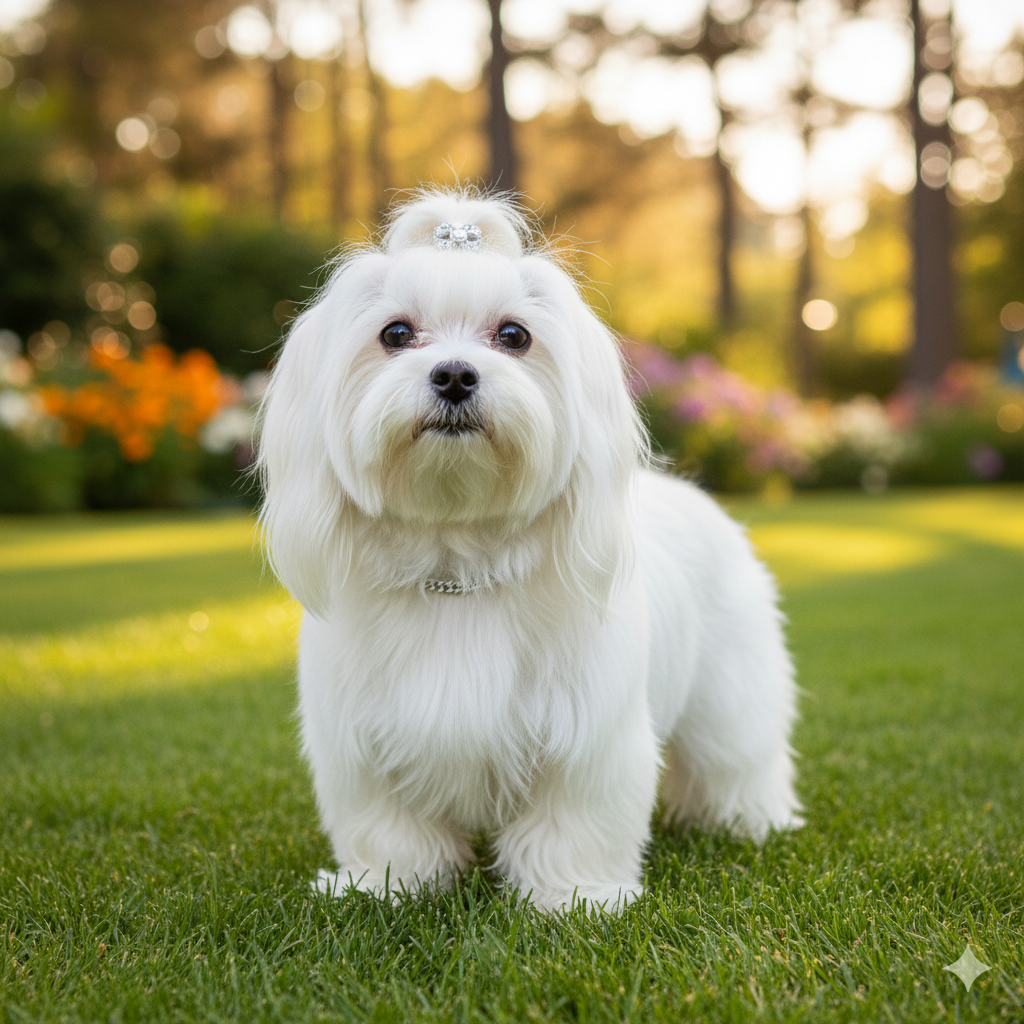
Confession: The first time I dog-sat a sprightly Maltese named Bella, she turned her nose up at my homemade chicken stew and made me question everything I knew about dog food. Are Maltese really high-maintenance diners, or are there hidden reasons behind those picky eating habits? Let’s unravel the quirks and facts lurking behind the bowl.
Decoding the “Picky Eater” Myth: What’s Fact and What’s Fluff?
When it comes to Maltese dog eating behavior, one label seems to stick: “picky eater.” But is this reputation truly deserved, or is it a case of misunderstood canine habits? Let’s break down the facts, the fiction, and everything in between about Maltese dog picky eaters.
Why Are Maltese Dogs Labeled as Picky Eaters?
Many owners and breeders describe the Maltese dog feeding habits as fussy or selective. But the reasons behind this label are more complex than simple taste preferences. The Maltese is a small breed with a delicate digestive system and a sensitive palate. Their eating behavior often reflects more than just a preference for gourmet meals.
Small Stomachs: Maltese dogs have tiny stomachs, so they naturally eat less. Skipping a meal or eating only a small amount can look like pickiness, but it’s often just caution or a full belly.
Sensitivities: Maltese are prone to food sensitivities and allergies. Refusing food may be their way of avoiding something that upsets their stomach or causes discomfort.
Routine Changes: Even minor changes in feeding times or environment can throw off a Maltese’s appetite, leading to temporary food refusal.
Fact, Fiction, and the Grey Area
So, are Maltese dog picky eaters by nature? The answer lies somewhere between fact and fluff. While some Maltese truly have strong food preferences, many cases of “picky eating” are actually responses to:
Texture or smell of the food
Recent changes in diet or routine
Owner reactions and feeding habits
Health issues such as dental pain or digestive upset
As Dr. Eliza Lyons, Veterinary Nutritionist, puts it:
‘Some dogs are just little food critics with fur coats; Maltese excel at this.’
Personal Tales: From Gourmet Snubs to Surprise Veggie Fans
Ask any Maltese owner, and you’ll hear a range of stories about common Maltese dog food issues. Some report their dog turning up its nose at high-quality steak, only to gobble up plain peas or carrots. One owner recalls, “My Maltese ignored her expensive lamb dinner but danced for a single green bean!”
On the flip side, some Maltese seem food-obsessed, eagerly awaiting every meal. This wide range of Maltese dog eating behavior shows that not all fussiness is about taste. Sometimes, it’s about texture, smell, or even the way the food is presented.
Beyond Taste: What Really Drives Maltese Dog Feeding Habits?
It’s easy to assume a Maltese is being fussy just for the sake of it. However, research and owner experiences suggest otherwise. Key factors influencing Maltese dog feeding habits include:
Texture: Some Maltese dislike hard kibble or chunky foods, preferring softer or smaller pieces.
Smell: Dogs have a keen sense of smell, and some Maltese are more sensitive than others. A food that smells off—even if it’s fresh—may be rejected.
Owner Behavior: Dogs pick up on human reactions. If an owner fusses over a meal, the Maltese may learn to hold out for something “better.”
Health and Comfort: Dental issues, digestive discomfort, or even stress can make a Maltese avoid food.
Common Maltese Dog Food Issues: Not Always What They Seem
It’s important to remember that common Maltese dog food issues often have an underlying cause. What looks like pickiness might be:
A reaction to a new food ingredient
Discomfort from a recent vet visit or medication
Simply being full from a treat or earlier meal
Understanding these factors can help owners better support their Maltese’s nutritional needs without falling for the “picky eater” myth.
Dinner Time Science: What Maltese Actually Need (and Why They Sometimes Refuse to Eat)
Essential Nutrients: Building Blocks for a Healthy Maltese
Maltese dogs may be tiny, but their nutritional needs are anything but small. To thrive, they require a balanced diet packed with essential nutrients—including high-quality proteins, healthy fats, digestible carbohydrates, and a full spectrum of vitamins and minerals. These elements work together to support their fast metabolism, glossy coats, and energetic personalities.
High-quality proteins (chicken, beef, fish, lamb): Crucial for muscle health and immune support.
Fats: Provide energy and help absorb fat-soluble vitamins.
Omega-3 fatty acids (from fish oil or flaxseed): Promote healthy skin, a shiny coat, and reduce inflammation.
Carbohydrates: Offer quick energy and support digestive health when sourced from digestible grains or vegetables.
Vitamins and minerals (A, D, E, B-complex, calcium, phosphorus): Essential for bone strength, nerve function, and overall well-being.
Portion Control Maltese: Why Size (and Frequency) Matters
Maltese have a fast metabolism and small stomachs, making portion control a top priority. Overfeeding—even by a small margin—can quickly lead to weight gain and related health problems. According to experts, adult Maltese need about 45 calories per pound per day, while puppies require around 55 calories per pound per day to support their growth and energy needs.
‘Portion control is not just sensible, it’s essential for Maltese health.’ — Krista Evans, Animal Dietician
Instead of large meals, Maltese benefit from small, frequent feedings throughout the day. This approach helps maintain stable energy levels and reduces the risk of digestive upset. Owners should measure food carefully and adjust portions based on activity level, age, and weight.
Best Food for Maltese Dogs: What to Look For
When choosing the best food for Maltese dogs, look for recipes rich in high-quality animal proteins and healthy fats. Ingredients like chicken, beef, fish, and lamb provide the amino acids needed for muscle maintenance and immune health. Omega-3 fatty acids—from fish oil or flaxseed—are especially important for skin and coat health, as well as supporting brain and heart function.
A complete and balanced diet for Maltese also includes digestible carbohydrates (such as rice or sweet potato), and a blend of essential vitamins and minerals. Key nutrients to check for on the label include:
Vitamins A, D, E, B-complex
Calcium and phosphorus for bone health
Antioxidants for immune support
When ‘Picky’ Eating Signals a Health Red Flag
Many owners worry that their Maltese are fussy eaters, but what looks like pickiness can sometimes be a sign of a deeper issue. Food allergies and digestive troubles are common in the breed and can easily be mistaken for stubbornness at mealtime.
Common allergens Maltese: Corn, wheat, and soy are frequent triggers, causing symptoms like digestive upset, itchy skin, or unsightly tear stains.
Digestive sensitivity: Some Maltese may have trouble digesting certain proteins or additives, leading to refusal to eat or gastrointestinal discomfort.
If a Maltese consistently refuses food, it’s important to look for other signs of discomfort—such as scratching, licking paws, or changes in stool. In these cases, switching to a limited-ingredient or hypoallergenic formula may help, and a veterinarian should be consulted to rule out underlying health concerns.
Quick Reference: Maltese Nutritional Needs
Nutrient | Why It Matters | Sources |
|---|---|---|
High-quality proteins | Muscle, immune system | Chicken, beef, fish, lamb |
Omega-3 fatty acids | Skin, coat, inflammation | Fish oil, flaxseed |
Vitamins & minerals | Overall health | Balanced dog food, supplements |
Digestible carbs | Energy, digestion | Rice, sweet potato |
Understanding the science behind Maltese nutrition helps owners provide the right balance of nutrients, avoid common allergens, and recognize when “picky” eating is actually a sign of something more.
Wild Cards and Winning Strategies: Making Mealtime a Joy (Not a Chore)
For anyone who has ever shared a home with a Maltese, mealtime can feel like a daily negotiation. These tiny gourmets are known for their discerning tastes and quirky habits, making feeding guidelines for Maltese dogs both an art and a science. But with the right strategies, mealtime can transform from a chore into a joyful ritual for both pet and owner.
One of the most effective ways to keep a Maltese interested in their food is to embrace variety. Research and experience show that Maltese dogs often respond positively to meal rotation and changes in texture. For example, alternating between a raw beef and vegetable meal and a cooked chicken and vegetable meal can keep their taste buds engaged and their digestive system healthy. Raw feeding Maltese dogs, when done safely and with proper research, can offer natural nutrients and support gut health. However, it is important to consult with a veterinarian to ensure all nutritional needs are met and food safety is maintained.
Texture also plays a big role in Maltese eating habits. Some dogs may prefer the crunch of lightly cooked vegetables, while others enjoy the softness of shredded chicken. Experimenting with different textures and temperatures—such as serving meals slightly warm—can make a surprising difference. Many Maltese owners have discovered that their dogs show more enthusiasm for food that isn’t straight from the fridge. A simple adjustment in temperature can transform an ordinary meal into an eagerly anticipated event.
Feeding frequency is another key factor in keeping Maltese dogs happy and healthy. Unlike larger breeds that may thrive on one or two big meals a day, Maltese benefit from smaller, more frequent feedings. For Maltese puppies, three or more meals per day are recommended to support their rapid growth and high energy needs. Maltese puppy nutrition is particularly important during these early months, as steady, small meals help maintain blood sugar levels and prevent energy slumps. For adult Maltese, dividing their daily food into two meals helps sustain their metabolism and digestive health. This approach not only keeps their energy levels stable but also reduces the risk of digestive upset—a common concern in small breeds.
Personal stories from Maltese owners highlight just how unique these dogs can be when it comes to mealtime. One memorable anecdote comes from a devoted owner who discovered that her Maltese would only eat if fed with a particular blue spoon. While this may sound like a case of canine stubbornness, it’s actually a glimpse into the complex psychology of pets. Sometimes, honoring these harmless quirks—whether it’s a favorite dish, a special spoon, or a preferred spot in the kitchen—can make all the difference in encouraging a healthy appetite. As Jade Murphy, a Maltese rescue volunteer, humorously puts it:
‘You haven’t lived until you’ve negotiated dinner terms with a Maltese!’
It’s also important to remember that not all picky eating is a sign of trouble. Some Maltese simply have individual preferences that, when respected, can make mealtime a bonding experience rather than a battle. As long as the dog is maintaining a healthy weight and receiving balanced nutrition, there is room for a little flexibility and fun in their feeding routine.
In conclusion, the real story behind Maltese eating habits is one of individuality and adaptability. By following sensible feeding guidelines for Maltese dogs, offering a mix of raw and cooked meals, and paying attention to feeding frequency, owners can support both the health and happiness of their pets. Embracing the wild cards—like rotating proteins, adjusting temperatures, and honoring quirky habits—turns mealtime into a joyful, shared experience. With patience, creativity, and a touch of humor, feeding a Maltese becomes less of a chore and more of a celebration of their unique personalities and gourmet tastes.
TL;DR: Maltese dogs can be fussy eaters, but understanding their nutritional needs, food preferences, and health quirks makes mealtime much simpler (and happier) for both pup and parent.
Disclaimer: The author(s) of this blog are not veterinarians and assume no responsibility for the use or misuse of the information provided. Reliance on any information from this site is solely at your own risk. This blog may contain affiliate links, meaning we may earn a commission if you purchase products through these links. These commissions help support the site but do not influence our recommendations — we only suggest products we believe may benefit your pet's wellness.
Disclaimer: The content provided on Natural Dog Wellness Hub is for informational and educational purposes only. It is not intended as a substitute for professional veterinary advice, diagnosis, or treatment. Always seek the guidance of a licensed veterinarian or qualified pet health provider with any questions you may have regarding your dog's health, medical condition, or treatment options.
Comments
Post a Comment