Dogs need regular walks, not just as a treat but as a must. Without them, dogs can get restless and destructive. A lack of exercise is a significant contributor to canine obesity , which can cause serious health problems. Not taking dogs for walks can harm their health and happiness. Regular walks provide essential mental stimulation . They help reduce stress and anxiety in dogs. Key Takeaways Regular dog walks are crucial for maintaining physical health. Skipping dog walks can lead to destructive behavior. Canine obesity is a significant risk without regular exercise. Mental stimulation through walks reduces stress and anxiety. Consistency in walking routines is key to a dog's overall well-being. The Vital Role of Regular Exercise for Dogs Regular exercise is key for a dog's health and happiness. Dogs, no matter their breed or size, need daily activity. Dr. Karen Becker, a renowned veterinarian, once said , "Exercise is essential for dogs to maintain a healthy weight, i...
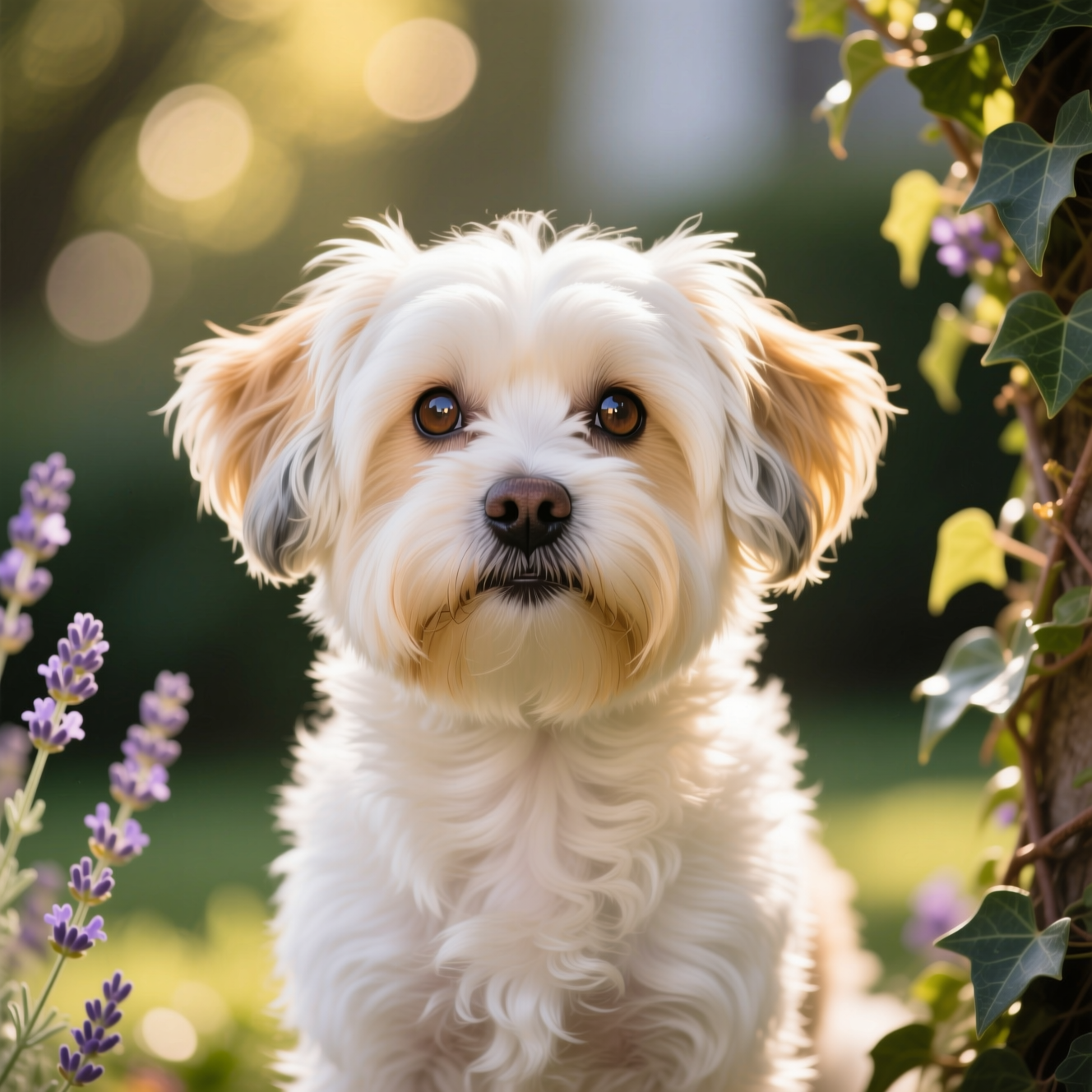
Let’s set the record straight: there’s a Havanese in my life named Bailey, and the only thing she leaves behind on my couch is a smile. If you’ve ever wondered whether Havanese are fur-flinging machines or tidier alternatives to the classic shedder, this post is for you. Buckle in—there are a few surprises (and maybe a confession about a forgotten grooming session) ahead.
Havanese Shedding: Small Dog, Smaller Mess
When it comes to Havanese dog shedding, these cheerful little companions are in a league of their own. Many dog owners worry about fur-covered furniture and constant vacuuming, but Havanese dogs lead the “clean couch” club. Thanks to their unique coat and shedding habits, they are a top choice for those who want a pet without the mess.
Havanese Breed Characteristics: The Double Coat Advantage
The Havanese breed is known for its distinctive double coat—a soft, silky outer layer and a light undercoat. Unlike many breeds that shed heavily, the Havanese’s coat is designed to trap loose hair. This means that most shed hair stays within the coat until it is brushed out, rather than ending up on your clothes or carpet.
Minimal Shedding: Havanese shed very little throughout the year.
Double Coat: Traps loose hair, reducing visible mess.
Continuous Growth: Hair grows continuously, similar to human hair, resulting in less typical shedding.
Havanese Shedding Frequency: What to Expect
Unlike breeds that “blow coat” seasonally, Havanese experience minimal increases in shedding during spring and fall. Most of the time, their shedding frequency is so low that you may not notice any hair around your home. In fact, many owners report that after a week without brushing, there are no hair tumbleweeds in sight—just a single hairball collected during grooming sessions.
A Havanese will never out-shed a Labrador. – Dr. Emily Thompson, DVM
Brushing: The Secret to a Fur-Free Home
Because loose hair is held in the coat, regular brushing is key. Brushing once or twice a week removes trapped hair and prevents matting. Many owners find that even after a week of not brushing, like with Bailey the Havanese, there’s no fur on the floor—just a satisfying hairball in the brush. Professional grooming every 4–8 weeks is also common to keep their coat healthy and mess-free.
Havanese Hypoallergenic Qualities
For allergy sufferers, the Havanese is often considered a more comfortable fit than most breeds. While no dog is truly hypoallergenic, the Havanese’s minimal shedding and low dander levels make them a popular choice for those with mild pet allergies. Their unique coat helps keep allergens contained, making life easier for sensitive owners.
What Causes Havanese Shedding?
Havanese shedding causes are primarily linked to their hair growth cycle. Their hair grows continuously and falls out less frequently than breeds with fur that sheds seasonally. Occasional increases in shedding may occur during spring and fall, but these are mild compared to other breeds.
Minimal year-round shedding
Loose hair stays in the coat until brushed
Great for allergy sufferers and tidy homes
Do Havanese dogs shed a lot? The answer is a clear no. Their unique coat and shedding habits make them a surprisingly low-mess companion for any household.
Under the Fluff: Grooming and Everyday Reality
While Havanese dogs are known for their low-shedding coats, their grooming requirements are anything but minimal. The secret to keeping these cheerful companions looking and feeling their best lies in a consistent and thoughtful grooming routine. Understanding essential Havanese grooming practices is key to enjoying a low-mess, happy pet.
Daily Brushing: The Foundation of Havanese Grooming
Havanese coats are long, silky, and prone to tangling. Daily brushing is highly recommended, especially for dogs kept in a full, long show coat. This routine not only prevents painful mats and tangles but also removes any shed hair trapped within the coat. As professional groomer Gina Rossi says:
Daily grooming is a small price for big beauty.
Skipping daily brushing can quickly lead to mats, which are not just unsightly but can also cause skin irritation and discomfort. One owner recalled how a single missed week led to a stubborn knot that required a professional’s intervention. Regular brushing is the simplest way to avoid such issues and keep your Havanese healthy and happy.
Essential Grooming Practices: More Than Just Brushing
Bathing: Havanese should be bathed every 2–4 weeks to keep their coat clean and manageable.
Nail Trimming: Nails should be trimmed regularly to prevent discomfort and injury.
Ear Cleaning: Regular ear checks and cleanings help prevent infections, especially in dogs with longer hair around the ears.
These essential grooming practices are not just about appearance—they are crucial for your dog’s overall health.
Grooming Styles: Puppy Cut, Teddy Bear Cut, and Show Coat
The style you choose for your Havanese can make a big difference in your grooming routine. Many owners opt for the puppy cut, a short, manageable trim that reduces daily maintenance and allows for more playtime. As one neighbor put it, “The puppy cut means less fuss and more fun!”
Professional groomers also offer the teddy bear cut, which keeps the coat fluffy but shorter, and the traditional show coat, which is long and flowing but requires the most upkeep. Each style has its own grooming requirements, so it’s important to choose one that fits your lifestyle and schedule.
Setting a Havanese Grooming Schedule
Brush daily to prevent mats and control shedding.
Bathe every 2–4 weeks for a clean, healthy coat.
Visit a professional groomer every 4–8 weeks for trims and style maintenance.
Grooming costs can vary depending on the style and frequency of professional visits, but regular care at home helps keep expenses—and shedding—under control.
In summary, while Havanese are low-shedding, their beautiful coats demand regular attention. A consistent brushing routine, essential grooming practices, and the right style choice make all the difference in keeping your Havanese mat-free, healthy, and looking their best.
Not All Sheds Are Created Equal: What Shapes Havanese Coat Loss
When it comes to Havanese shedding causes, not all situations are the same. While the breed is celebrated for its low-mess coat, several factors can influence just how much hair you’ll find around your home. Understanding what shapes Havanese coat loss can help owners keep their furry friends looking and feeling their best.
Health Issues Shedding: When to Worry
One of the most important things to know is that abnormal shedding can be a sign of health issues in Havanese. If you notice sudden or excessive hair loss, it could be linked to:
Allergies – Environmental or food allergies can irritate the skin and cause more shedding.
Skin infections – Bacterial or fungal infections may lead to patchy hair loss.
Nutritional problems – Deficiencies in key nutrients can affect coat health.
As a rule of thumb, poor diet, stress, or allergies can cause abnormal hair loss—always check with a vet if you notice changes. Early intervention keeps your Havanese healthy and minimizes mess.
Diet, Environment, and Grooming: The Shedding Equation
For most Havanese, shedding stays consistently low—but only if their needs are met. Diet, environment, and grooming all play a part in how much a Havanese sheds:
Diet: A balanced, high-quality diet supports strong hair follicles and a shiny coat. As Dr. Mark Chen, Veterinary Dermatologist, says:
Nutrition and routine equal a happy coat.
Environment: Big changes, like moving or new pets, can stress your Havanese and trigger temporary shedding spikes.
Grooming: Regular brushing helps remove loose hairs before they end up on your floor, keeping the coat healthy and tangle-free.
Stable routines and good nutrition are the foundation of Havanese coat health.
Seasonal Shedding: Small Shifts, Not Big Surprises
Unlike many breeds, Havanese don’t have dramatic seasonal coat blowouts. Minimal seasonal shedding is the norm, with only slight increases during certain times of year. Imagine a summer road trip: more sun, more play, maybe a few extra hairs—still nothing like some other breeds!
Spring and fall may bring a bit more loose hair, but it’s rarely enough to notice without close inspection.
Consistent grooming during these times keeps shedding under control.
Havanese Care Tips for a Healthy Coat
Feed a balanced, nutrient-rich diet.
Maintain a stable, low-stress environment.
Brush your Havanese several times a week to remove loose hairs.
Monitor for signs of abnormal shedding and consult your vet if you notice changes.
With the right care, Havanese shedding causes remain minimal, and your companion’s coat stays soft, healthy, and low-mess.
Conclusion: Revel in a (Mostly) Fur-Free Life with Your Havanese
When it comes to Havanese dog shedding, the truth is refreshingly simple: these charming companions are not big shedders. Their silky, double-layered coats might look high-maintenance, but with the right Havanese coat care routine, you can enjoy a home that’s largely free from stray fur. While no dog is completely shed-proof, Havanese dogs stand out for their minimal hair loss, making them a top choice for those who value cleanliness or struggle with allergies.
The secret to a (mostly) fur-free life with your Havanese lies in consistency. Regular brushing—ideally several times a week—removes loose hairs before they can settle on your furniture or clothing. This simple step not only keeps your living space tidy but also helps prevent tangles and mats, which are common in their soft, wavy coats. Bathing your Havanese every few weeks, along with routine checks for any changes in their coat or skin, ensures that your pup stays healthy and comfortable. In fact, experts agree that proper Havanese maintenance is the key to minimizing shedding and maximizing coat health.
As Linda M. Sykes, a respected Havanese breeder, puts it:
Havanese are proof that small dogs and big beauty can come without all the mess.
This reputation is well-earned. Havanese dogs are often recommended for allergy-prone individuals or anyone who prefers a neat home environment. Their unique hair grows much like human hair, which means it falls out less frequently than the fur of many other breeds. However, this benefit does come with a trade-off: Havanese care tips always emphasize the importance of regular grooming. Skipping this routine can lead to matting, discomfort, and even health issues for your pet.
In summary, are Havanese big shedders? Not at all! Their low-shedding nature, combined with their affectionate personalities and manageable size, makes them ideal for families, singles, and seniors alike. The commitment to regular grooming is a small price to pay for the joy of sharing your life with such a delightful, low-mess companion. With a little dedication to Havanese coat care, you’ll find that living with a Havanese means less time cleaning up fur—and more time enjoying the loving, playful spirit that this breed brings into your home.
Ultimately, the Havanese offers the best of both worlds: the beauty and charm of a long-haired dog, without the constant battle against shedding. With proper Havanese maintenance, you can confidently welcome this breed into your life and revel in the comfort of a cleaner, happier home.
TL;DR: Havanese dogs shed very little, but regular grooming is key to keeping their luxurious coats healthy and mat-free. Expect minimal loose hair, but commit to brushing and routine maintenance for best results.
Disclaimer: The author(s) of this blog are not veterinarians and assume no responsibility for the use or misuse of the information provided. Reliance on any information from this site is solely at your own risk. This blog may contain affiliate links, meaning we may earn a commission if you purchase products through these links. These commissions help support the site but do not influence our recommendations — we only suggest products we believe may benefit your pet's wellness.
Disclaimer: The content provided on Natural Dog Wellness Hub is for informational and educational purposes only. It is not intended as a substitute for professional veterinary advice, diagnosis, or treatment. Always seek the guidance of a licensed veterinarian or qualified pet health provider with any questions you may have regarding your dog's health, medical condition, or treatment options.
Comments
Post a Comment