Dogs need regular walks, not just as a treat but as a must. Without them, dogs can get restless and destructive. A lack of exercise is a significant contributor to canine obesity , which can cause serious health problems. Not taking dogs for walks can harm their health and happiness. Regular walks provide essential mental stimulation . They help reduce stress and anxiety in dogs. Key Takeaways Regular dog walks are crucial for maintaining physical health. Skipping dog walks can lead to destructive behavior. Canine obesity is a significant risk without regular exercise. Mental stimulation through walks reduces stress and anxiety. Consistency in walking routines is key to a dog's overall well-being. The Vital Role of Regular Exercise for Dogs Regular exercise is key for a dog's health and happiness. Dogs, no matter their breed or size, need daily activity. Dr. Karen Becker, a renowned veterinarian, once said , "Exercise is essential for dogs to maintain a healthy weight, i...
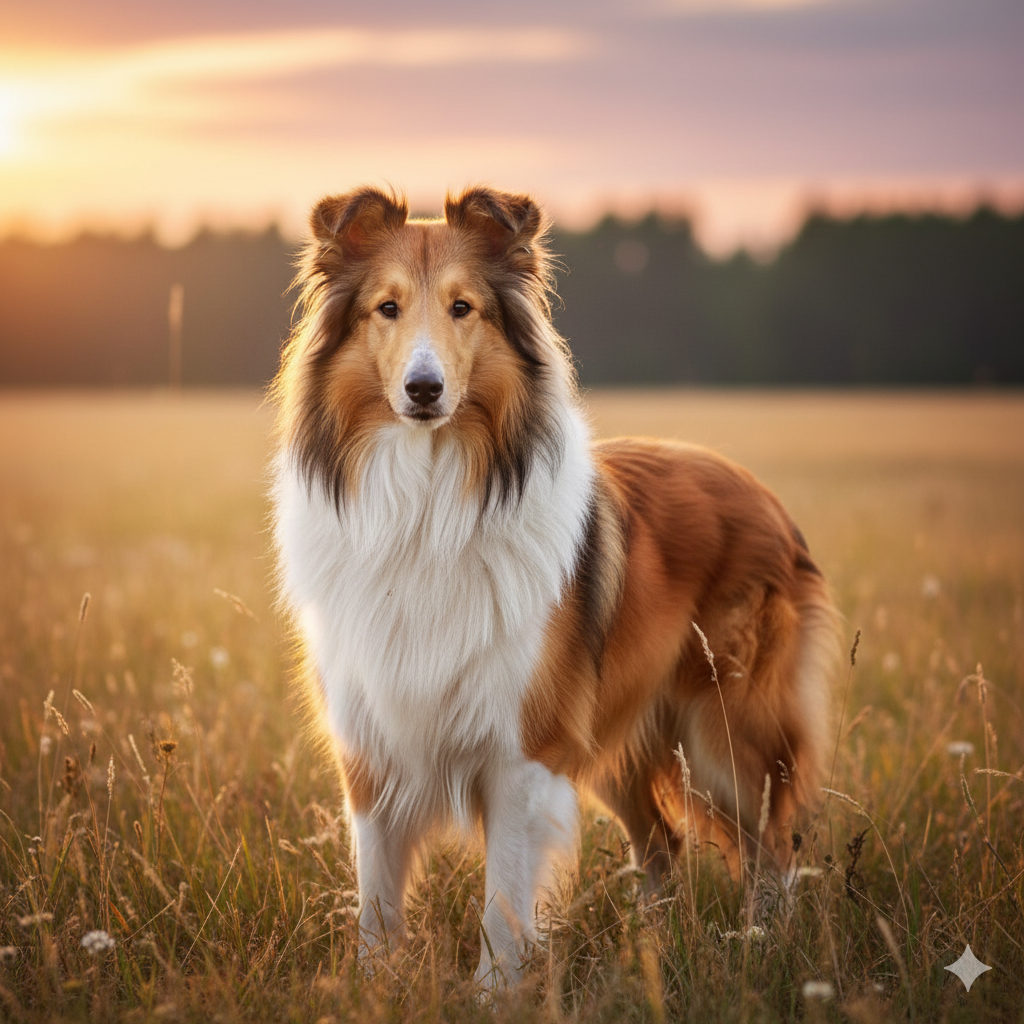
Let’s set the scene: You’re at a sunny park and a Collie saunters over, nose twitching, tail sweeping. Someone on the next bench pulls their dog closer and whispers—"You know, Collies are actually the most aggressive breed." Wait, what? Surely not Lassie! That unexpected little rumor is rooted in real research, but as any dog lover will admit, real life rarely fits perfectly into neat scientific boxes. So, where’s the truth? This post wades into the facts (and a few famous myths) about Collie aggression, with a few personal tales—like that time my neighbor’s Rough Collie became the unlikely hero of the block.
Research Reveals: Collies at the Top of the Aggression List?
When most people think of Rough Collies, the image that comes to mind is the gentle and loyal Lassie, not an aggressive dog breed. However, recent scientific research challenges this common perception. A comprehensive dog breed aggression study conducted by the University of Helsinki has brought surprising insights to light, placing Rough Collie aggression at the very top among over 9,000 dogs studied.
Dog Breed Aggression Study: Surprising Findings from Finland
The University of Helsinki’s research team, led by Dr. Hannes Lohi, analyzed behavioral data from more than 9,000 dogs across Finland. Their goal was to understand breed differences in canine aggression by comparing the likelihood of aggressive behaviors—such as growling, snapping, or biting—across various breeds.
What they found was unexpected: Rough Collies were identified as the breed with the highest odds of aggressive behavior. According to the study, Rough Collies are over 5 times more likely to display aggression compared to Labrador Retrievers, a breed often praised for its friendly and tolerant nature.
According to Dr. Hannes Lohi, "Our results suggest aggressive behavior in dogs is complex, and not solely determined by breed."
Key Data: Rough Collie Aggression in Numbers
Odds Ratio: Rough Collies have an odds ratio of 5.44 for aggression compared to Labrador Retrievers.
Population Impact: About 14% of the Finnish dog population shows some form of aggressive behavior.
Family vs. Stranger Aggression: 6.4% of dogs show aggression toward family members, while 6% show aggression toward strangers.
These numbers highlight that Rough Collie aggression is not just anecdotal but statistically significant, setting them apart from many other breeds in terms of aggressive tendencies.
Challenging Big-Dog Stereotypes: Small Breeds Among the Most Aggressive Dog Breeds
Another surprising outcome of the study was the high ranking of smaller breeds on the list of most aggressive dog breeds. Miniature Poodles and Miniature Schnauzers were both noted for their frequent displays of aggression, particularly toward unfamiliar people and strangers. This finding challenges the stereotype that large dogs are naturally more aggressive than their smaller counterparts.
Miniature Poodles: Known for intelligence, but also high on the aggression scale toward strangers.
Miniature Schnauzers: Frequently display aggressive behaviors, especially when encountering unfamiliar people.
The data suggests that smaller dogs are statistically more likely to behave aggressively, including growling, snapping, and barking, compared to mid-sized and large dogs. This trend runs contrary to the popular belief that bigger breeds are more dangerous or aggressive.
Breed Differences in Canine Aggression: What the Study Shows
The University of Helsinki’s dog breed aggression study provides clear evidence that aggression is not simply a matter of size or appearance. While breeds like the Labrador Retriever and Golden Retriever consistently rank low in aggression, breeds such as the Rough Collie, Miniature Poodle, and Miniature Schnauzer are at the top of the list for aggressive tendencies.
Breed | Odds Ratio (Aggression vs. Labrador Retriever) |
|---|---|
Rough Collie | 5.44 |
Miniature Poodle | High |
Miniature Schnauzer | High |
Labrador Retriever | 1.00 (Reference) |
Fearfulness and Aggression: The Collie Connection
One important insight from the study is the link between fearfulness and aggression, especially in Rough Collies. Many aggressive incidents are preceded by signs of fear or anxiety, suggesting that the breed’s sensitivity may play a role in their aggressive responses. This connection helps explain why a breed with such a positive public image can top the list in aggression odds.
Overall, the findings from this major Finnish study reshape our understanding of aggressive dog breeds and highlight the importance of looking beyond stereotypes when considering canine behavior.
Breed, Brain, or Backyard? What Drives a Collie’s Aggression
When people think of Collies, the image that often comes to mind is a gentle, loyal companion—think Lassie, always ready to help and never a hint of malice. Yet, Collie behavior problems, especially aggressive behaviour toward family members or strangers, can and do occur. The real question is: what drives this aggression? Is it simply a matter of breed differences in canine aggression, or do brain chemistry and backyard environments play a bigger role?
Not Just in Their DNA: The Myth of Breed-Based Aggression
It’s a common misconception that aggression is “in the blood” of certain breeds. While breed differences in canine aggression exist, research shows that aggressive behaviour is rarely an inherent trait. Instead, it is often a response to perceived threats, lack of socialization, or environmental stressors. As canine behaviorist Dr. Jane Lee puts it:
'Aggression is rarely about dominance or rage—most often, it's a communication of fear or stress.'
This means that a Collie’s aggression is not simply a product of its breed, but a complex interaction between genetics, upbringing, and environment.
Fearfulness and Aggressive Behavior: The Collie Conundrum
One of the most surprising truths about Collie aggression is its strong link to fearfulness. This is especially true for Rough Collies, who are known to be sensitive and sometimes anxious. Studies have found that fear-based responses are a major driver of aggressive behaviour in Collies. In fact, aggression and fearfulness often go hand in hand, creating what some call the “lion in the corner” effect—where a dog, feeling threatened or overwhelmed, lashes out not from malice, but from fear.
Personal anecdotes often illustrate this point. For example, a family Collie might panic during thunderstorms, barking incessantly and remaining on high alert long after the storm has passed. The same dog might react aggressively toward anyone who rings the doorbell, not because it is mean, but because it is frightened and unsure how to cope with the sudden change in its environment.
Age Matters: When Aggression Surfaces
Another key factor in Collie's behavior problems is the age at which aggression appears. Research indicates that aggression in Border Collies and other breeds increases significantly between 6 and 12 months of age—a period that coincides with adolescence. Some aggressive behaviours may continue to rise until 18-24 months, after which they often stabilize. This pattern suggests that aggressive behaviour demographic environmental factors, such as changes in routine, hormonal shifts, and increased independence, play a significant role during this developmental window.
6-12 months: Notable increase in aggressive behaviours, often linked to fear and uncertainty.
18-24 months: Behaviours may stabilize as the dog matures and adapts to its environment.
These findings highlight the importance of early socialization and consistent training during puppyhood and adolescence. Experiences during these critical periods can shape a Collie’s responses to people, other dogs, and new situations for life.
Environment and Socialization: The Real Drivers
When examining aggressive behaviour family members or toward strangers, the environment and socialization history are often at the heart of the issue. Collies raised in chaotic, unpredictable, or isolating environments are more likely to develop fearfulness and, as a result, aggressive tendencies. Conversely, Collies exposed to a variety of people, animals, and experiences in a positive, controlled way are less likely to exhibit aggression.
In fact, aggressive behaviour is the main reason cited in 40% of dog relinquishments, underscoring the importance of addressing these issues early. Proper socialization, gentle exposure to new experiences, and positive reinforcement can help reduce fear-based aggression and foster a more confident, well-adjusted dog.
Key Takeaways: More Than Meets the Eye
Aggression in Collies is rarely about inherent temperament; it’s shaped by environment, socialization, and fearfulness.
Fear—especially in Rough Collies—is a major driver of aggressive behaviour, often manifesting as defensive or protective actions.
Early experiences and adolescent development are critical periods for shaping a Collie’s behavior.
Addressing Collie behavior problems requires understanding the root causes, not just the symptoms.
The Other Side: When Collies Save the Day (and the Sofa)
While stories of Border Collie aggressive behavior sometimes make headlines, the reality is often far more heartwarming. For every tale of a reactive Collie, there are countless examples of these intelligent dogs stepping in to prevent chaos, protect their families, and even keep the peace among other dogs. The surprising truth is that, with the right approach, Collies are more likely to save the day—and your sofa—than to cause trouble.
Dog socialization training is at the heart of this transformation. Collies, especially Border Collies, are known for their sharp minds and high energy levels. Without proper outlets, their intelligence can sometimes be misdirected, leading to behaviors that might be mistaken for aggression. However, when owners invest in early and ongoing socialization, these same traits become assets. Well-socialized Collies are often the first to step in and defuse tense situations at the dog park, using their keen awareness and gentle nature to calm nervous dogs and prevent fights before they start.
Many Collie owners share stories of their dogs alerting them to dangers—whether it’s a stranger at the door, a child wandering too close to the street, or even a fire in the kitchen. In these moments, what some might label as “aggression” is actually a deep-seated loyalty and protectiveness. As dog trainer Alex Mills puts it:
“The most loyal, gentle dog I’ve ever met was a so-called ‘aggressive’ Collie rescued from a tough background.”
This quote highlights a key point: personality affect aggression. Collies raised in patient, positive-training-based homes show far fewer problem behaviors. The environment and the approach of the owner play a significant role in shaping a Collie’s temperament. When Collies are given structure, affection, and plenty of mental and physical activity, their natural instincts are channeled into positive behaviors. They become playful, gentle, and fiercely protective of their family’s peace—never aggressive without cause.
Research supports these observations. A recent dog breed aggression study found that rough Collies perform best in peaceful, engaged homes. These environments, which prioritize dog aggression prevention through socialization and structured routines, help prevent the escalation of behavioral issues. In fact, Collie behavior problems often recede with proper management and understanding. Even if a Collie has shown signs of aggression in the past, patterns can be redirected at any stage with the right training and support.
It’s important to remember that dog aggression prevention is not just about correcting bad behavior—it’s about providing positive experiences and outlets for a Collie’s intelligence and energy. Daily walks, puzzle toys, agility training, and interactive games all contribute to a happy, well-adjusted dog. These activities not only tire out a Collie physically but also satisfy their need for mental stimulation, reducing the likelihood of frustration-based aggression.
Ultimately, the story of Collie aggression is one of potential—potential for both challenge and triumph. With the right combination of dog socialization training, consistent routines, and loving guidance, even a nervous or reactive Collie can become an outstanding companion. The transformation is not just possible; it’s common among Collies who are given the chance to thrive.
In conclusion, while the myth of the “aggressive Collie” persists, the evidence tells a different story. Collies are, at their core, loyal, sensitive, and eager to please. Their reputation for aggression often stems from misunderstanding or unmet needs rather than inherent temperament. By focusing on positive training, early socialization, and regular mental and physical activity, owners can unlock the best in their Collies—turning potential problems into stories of heroism, harmony, and, yes, a saved sofa or two. The journey may require patience and commitment, but the reward is a gentle, devoted friend who is always ready to save the day.
TL;DR: Collies—especially Rough Collies—rank high in reported aggression, but context, upbringing, and their famously sensitive natures matter immensely. Training and environment typically make the bigger difference.
Disclaimer: The author(s) of this blog are not veterinarians and assume no responsibility for the use or misuse of the information provided. Reliance on any information from this site is solely at your own risk. This blog may contain affiliate links, meaning we may earn a commission if you purchase products through these links. These commissions help support the site but do not influence our recommendations — we only suggest products we believe may benefit your pet's wellness.
Disclaimer: The content provided on Natural Dog Wellness Hub is for informational and educational purposes only. It is not intended as a substitute for professional veterinary advice, diagnosis, or treatment. Always seek the guidance of a licensed veterinarian or qualified pet health provider with any questions you may have regarding your dog's health, medical condition, or treatment options.
Comments
Post a Comment