Dogs need regular walks, not just as a treat but as a must. Without them, dogs can get restless and destructive. A lack of exercise is a significant contributor to canine obesity , which can cause serious health problems. Not taking dogs for walks can harm their health and happiness. Regular walks provide essential mental stimulation . They help reduce stress and anxiety in dogs. Key Takeaways Regular dog walks are crucial for maintaining physical health. Skipping dog walks can lead to destructive behavior. Canine obesity is a significant risk without regular exercise. Mental stimulation through walks reduces stress and anxiety. Consistency in walking routines is key to a dog's overall well-being. The Vital Role of Regular Exercise for Dogs Regular exercise is key for a dog's health and happiness. Dogs, no matter their breed or size, need daily activity. Dr. Karen Becker, a renowned veterinarian, once said , "Exercise is essential for dogs to maintain a healthy weight, i...
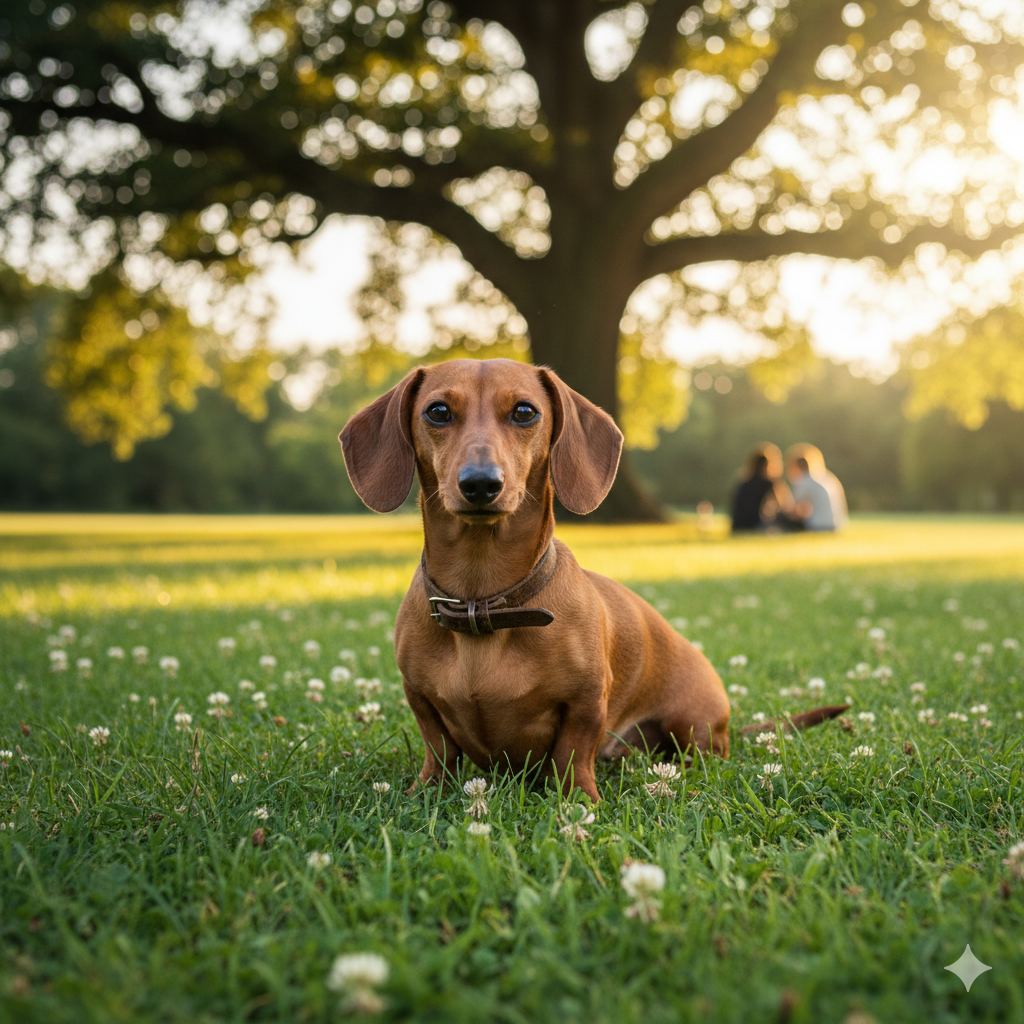
If you’ve ever caught your Dachshund doing a wiggly, happy stretch across the carpet or launching their signature 'lowrider' zoomies through the living room, you know these pups aren’t your average canines. From personal experience wrangling a stubborn mini-Doxie named Pickle, there’s a lot more to their care than keeping their bellies full and ears clean—a fact I learned after an impromptu bath disaster (let’s just say, don’t combine a full tub and a curious sausage dog). Curious about how to keep these endearing, opinionated pups at their best? Let’s get into the nuts, bolts, and treats of Dachshund care.
From Whiskers to Wag: Grooming Rituals for Every Dachshund Coat
When it comes to Dachshund grooming, there’s no such thing as a one-size-fits-all routine. These charming little dogs come in three distinct coat types—smooth, long-haired, and wire-haired—each with its own unique set of grooming requirements. Understanding your Dachshund’s coat is the first step to keeping them healthy, happy, and looking their best from whiskers to wag.
Understanding Dachshund Coat Types and Their Needs
Smooth-coated Dachshunds are the lowest-maintenance of the bunch. Their short, sleek fur sheds moderately and only needs a quick brush once or twice a week to remove loose hair and keep their coat shiny. A soft-bristle brush or grooming mitt works well for these pups.
Long-haired Dachshunds are a different story. Their flowing locks are beautiful but prone to tangling and matting if not brushed several times a week. Missing even a single week can lead to stubborn mats, especially behind the ears and under the legs. As one long-haired Doxie owner discovered, “I skipped just one week of brushing, and suddenly my pup looked like a walking tumbleweed—mats happen fast!” Regular brushing with a slicker brush and a gentle deshedding comb is essential for Dachshund coat care in these dogs.
Wire-haired Dachshunds have a dense, rough coat that needs frequent attention. Weekly brushing is a must, but professional grooming every couple of months is often required to keep their signature look. Hand-stripping or trimming helps maintain the texture and prevents the coat from becoming too soft or tangled.
Essential Tools for Dachshund Grooming
Slicker brush: Removes tangles and loose hair, especially for long-haired and wire-haired Doxies.
Deshedding comb: Helps reduce shedding and keeps the undercoat healthy.
Puppy shampoo: Even adult Dachshunds benefit from gentle, hypoallergenic formulas that prevent skin irritation.
Nail clippers or grinder: For regular Dachshund nail trimming.
Ear cleaning solution and cotton pads: To keep those floppy ears fresh and infection-free.
Bathing and Shampoo Selection
Dachshunds don’t need frequent baths—once every 4-6 weeks is usually enough, unless they get especially dirty. Always use a mild, hypoallergenic puppy shampoo to avoid skin irritation. Even adult Dachshunds have sensitive skin, so harsh shampoos can cause dryness or itchiness. Rinse thoroughly to remove all residue, and gently towel dry or use a low-heat dryer if your dog tolerates it.
Nail Trimming and Ear Cleaning: Small Steps, Big Impact
Neglecting Dachshund nail trimming can lead to painful, overgrown nails that affect your dog’s gait and comfort. Trim nails every 2-4 weeks, using sharp clippers or a nail grinder. If you’re unsure, ask your vet or a groomer for a demonstration.
Dachshund ears are prone to infection due to their floppy shape, which traps moisture and debris. Clean ears weekly with a vet-approved solution and a soft cotton pad. Avoid inserting anything deep into the ear canal. Regular checks help catch redness, odor, or discharge early, preventing surprise vet visits.
Grooming as Bonding: Turn Routine into Ritual
Grooming isn’t just about looks—it’s a chance to bond. Use treats and calm praise to make brush time enjoyable. Many Dachshunds learn to love the attention, especially when it’s paired with gentle strokes and a soothing voice. As grooming guru Emily Hart puts it,
“Think of grooming your Dachshund as a spa day, not a chore—both of you will thank me.”
Professional Grooming for Wire-Haired Doxies
Wire-haired Dachshunds often need professional grooming every couple of months. Hand-stripping or trimming by a pro keeps their coat healthy and maintains the classic wire-haired look. Don’t forget to ask your groomer about ear cleaning and nail trimming during these visits.
Quick Grooming Checklist
Brush smooth coats weekly; long-haired and wire-haired several times a week.
Bathe every 4-6 weeks with gentle puppy shampoo.
Trim nails every 2-4 weeks.
Clean ears weekly to prevent infection.
Use grooming as a time for bonding and positive reinforcement.
With the right tools and a little patience, Dachshund grooming can be a rewarding ritual that keeps your pup healthy, happy, and always ready to wag.
Mastering the Sausage Dog Menu: Feeding Schedules, Snack Disasters, and Diet Dilemmas
Dachshund Feeding Guidelines: Age, Weight, and Activity Matter
When it comes to Dachshund feeding guidelines, there is no one-size-fits-all answer. The right Dachshund feeding amount depends on three main factors: age, weight, and activity level. Puppies, adults, and seniors all have different Dachshund nutrition requirements. For instance, a playful puppy needs more calories and nutrients to fuel growth, while a senior sausage dog may need fewer calories to prevent weight gain.
Puppies (2-12 months): 3-4 small meals per day, using puppy-formulated food.
Adults (1-7 years): 2 meals per day, with portion sizes based on weight and activity.
Seniors (7+ years): 2 smaller meals per day, focusing on easy-to-digest and joint-supporting nutrients.
Always check the feeding instructions on your chosen food and consult your vet for personalized Dachshund diet recommendations.
Establishing a Dachshund Feeding Schedule: Routine is Key
Dachshunds are famous for their internal clocks. They thrive on routine and will often remind you when it’s mealtime—sometimes with a persistent stare or a gentle nudge. Maintaining a regular Dachshund feeding schedule helps regulate digestion, prevent begging, and support healthy weight management.
Feed at the same times daily (morning and evening work best for most).
Pick up uneaten food after 20 minutes to discourage grazing.
Keep water available at all times.
A consistent routine also makes it easier to spot changes in appetite, which can be an early sign of health issues.
Snack Disasters: Learning the Hard Way
Many Dachshund owners have learned about snack disasters the hard way. One common mistake is sharing human snacks without realizing that some foods are toxic. Grapes, for example, can cause kidney failure in dogs—even a small amount can be dangerous.
Real-life mishap: One owner recalls, “I thought a grape was a harmless treat. Within hours, my Dachshund was lethargic and needed emergency care. I’ll never make that mistake again.”
Never feed: Grapes, raisins, chocolate, onions, garlic, or xylitol (found in sugar-free gum).
Use treats sparingly: Treats should make up no more than 10% of daily calories.
Veterinarian Dr. Linda McAllister warns, “A healthy Dachshund is a lean Dachshund. Too many snacks can mean too many vet bills.”
Best Food for Dachshunds: Quality Over Quantity
Choosing the best food for Dachshunds means focusing on balanced, high-quality kibble or vet-approved homemade diets. Look for foods with real meat as the first ingredient, moderate fat, and controlled carbohydrates. Avoid fillers and artificial additives.
Food Type | Pros | Cons |
|---|---|---|
High-quality kibble | Convenient, balanced, supports dental health | Can be calorie-dense—portion control needed |
Wet food | Palatable, easy to eat for seniors | Less dental benefit, can be messy |
Homemade (vet-approved) | Customizable, fresh ingredients | Time-consuming, risk of imbalance if not guided by a vet |
Dachshund Weight Management: Preventing Spinal Woes
Obesity is a common and serious issue for Dachshunds. Their long backs and short legs make them especially prone to spinal problems like intervertebral disc disease (IVDD). Portion control, regular exercise, and careful treat management are essential for Dachshund weight management.
Weigh your Dachshund monthly.
Adjust food portions if weight increases.
Use healthy, low-calorie treats like carrot sticks or green beans.
Keeping your Dachshund lean is the best way to protect their spine and overall health.
Keep Calm, Carry On: Exercise, Mobility Gear, and Quirks of Dachshund Health
When it comes to Dachshund care essentials, exercise and mobility aren’t just about burning off energy—they’re about protecting that iconic long back. The Dachshund’s unique shape is both charming and challenging, making a thoughtful Dachshund exercise routine and the right mobility gear crucial for a happy, healthy pup.
Dachshunds are spirited and playful, but their elongated spine is prone to injury, especially from activities that involve jumping or sudden twisting. Spinal health is at the heart of every aspect of their care. Regular, gentle exercise is key: aim for two to three short walks each day, paired with moderate playtime. This routine helps keep their muscles strong, joints flexible, and minds engaged. Not only does this curb anxiety and destructive boredom, but it also supports overall mobility as your Dachshund ages.
However, not all exercise is created equal. Activities that put stress on the spine—like frequent jumping on and off furniture or racing up and down stairs—should be avoided. Instead, introduce mobility aids such as ramps or pet steps. These aren’t just fancy accessories; they’re a necessity for spinal safety. As mobility expert Roger White says,
'The best gift you can give a Dachshund is a safe way up—and down—life’s little obstacles.'
A well-placed Dachshund ramp by the couch or bed can prevent injuries that might otherwise sideline your dog for weeks or even months.
Watching a Dachshund master a ramp for the first time is a delight. There’s often a moment of hesitation, a sniff, and then—graceful as ever—a confident trot up and down, tail wagging with pride. It’s a simple change that makes a world of difference, especially for senior dogs or those recovering from injury. For Dachshunds with more serious mobility challenges, specialized Dachshund mobility gear like harnesses or even custom carts can restore independence and quality of life.
Gentle, consistent exercise is the backbone of a healthy Dachshund lifestyle. Short walks (two or three per day) are ideal, as they provide just enough activity without overtaxing the spine. Playtime should be moderate and supervised, with toys that encourage movement without jumping or twisting. If your Dachshund is particularly energetic, consider puzzle toys or scent games to stimulate their mind and tire them out safely.
Routine care, diet, and exercise all go hand in hand. A well-balanced diet supports muscle tone and joint health, while regular activity helps maintain a healthy weight—both essential for minimizing spinal stress. Anxiety management is another vital piece of the puzzle. Dachshunds are known for their strong personalities and can become anxious or mischievous if under-stimulated. Gradual socialization, positive reinforcement, and a predictable routine help keep them happy and prevent behavioral issues rooted in boredom or stress.
For older Dachshunds or those with mobility impairments, the right gear can be life-changing. Ramps and steps make daily life safer, while supportive harnesses help with balance and stability on walks. In more advanced cases, custom carts can give dogs with weakened hind legs a new lease on life, allowing them to continue exploring the world with confidence.
In conclusion, caring for a Dachshund means embracing their quirks and meeting their unique needs with patience and creativity. A thoughtful Dachshund exercise routine, the right Dachshund mobility gear, and a focus on spinal safety are the foundation of a long, happy life. Whether it’s the proud look on your dog’s face as they conquer a new ramp, or the peace of mind that comes from knowing you’re protecting their health, these minor adjustments make all the difference. With the right approach to routine care, diet, and exercise, you’ll keep that trademark wag going strong for years to come.
TL;DR: Dachshund care is all about understanding their quirks: regular but careful grooming, precise feeding schedules, gentle exercise, and mindful attention to their spinal health keep your low-rider happy and thriving.
FAQs
Are Dachshunds good house pets?
Dachshunds can make excellent house pets for the right owners. Their friendly and affectionate nature often makes them great companions, as they enjoy being around people and can form strong bonds with their families. Their unique sizes — ranging from standard to miniature — allow them to fit comfortably in a variety of living situations, including apartments or houses with limited space.
However, potential owners should be aware of their specific needs. Dachshunds are known for their spirited, sometimes stubborn personalities, which can make training challenging. Regular exercise and mental stimulation are essential to keep them happy and healthy. Additionally, because of their long backs, they can be prone to certain health issues, like intervertebral disc disease, making proper care and attention vital. With the right environment and care, Dachshunds can thrive as loving and loyal house pets.
Do Dachshunds keep mice away?
Dachshunds, originally bred for hunting small game like badgers and rabbits, can be effective in keeping mice at bay. Their keen sense of smell and hunting instincts make them alert to any small intruders in their territory. While they may not be as large or intimidating as some other breeds, their tenacious nature often makes them a formidable presence for mice.
However, it’s important to note that not all Dachshunds will actively hunt or chase mice. Individual behavior may vary, as some may be more interested in play than pest control. Additionally, proper training and socialization can enhance their natural instincts, making them more likely to deter rodents through their presence and activity. Overall, while a Dachshund can help keep mice away, it's not a guaranteed solution.
What are the pros and cons of Dachshunds?
Dachshunds, often affectionately called "wiener dogs," are known for their distinctive body shape and spirited personalities. One of the primary pros of owning a Dachshund is their distinct and playful nature. These dogs are highly affectionate and tend to form strong bonds with their owners, making them wonderful companions. They also come in various coats — smooth, long-haired, and wire-haired — allowing potential owners to choose a type that fits their aesthetic preference. Additionally, Dachshunds are relatively adaptable and can thrive in various living situations, whether in apartments or houses with yards.
On the downside, Dachshunds can exhibit some behavioral challenges. They are known for their stubbornness, which can make training a bit tricky, and they often have a strong prey drive due to their hunting background. This means they may chase small animals, necessitating close supervision outside. Moreover, their elongated spines make them prone to certain health issues, particularly intervertebral disc disease, which requires careful management to prevent injury. Overall, while Dachshunds can make delightful pets, prospective owners should consider both the joys and responsibilities that come with this breed.
Are Dachshunds expensive?
Dachshunds can vary in cost depending on several factors, including their pedigree, location, and whether you're adopting or purchasing from a breeder. On average, purchasing a Dachshund from a reputable breeder costs between $300 and $3,000. The price is often influenced by the dog's breeding history, with those from champion bloodlines typically costing more. Additionally, certain coat types, such as long-haired or brindle, may command higher prices.
If you choose to adopt from a rescue organization or shelter, the fees are generally much lower, often between $100 and $300. However, it's essential to consider the long-term costs of owning a Dachshund, including veterinary care, grooming, and food. Overall, while the initial cost may vary, the ongoing responsibilities associated with dog ownership can add up, making it important to budget accordingly.
Liability & Affiliate Disclosure
Disclaimer: The author(s) of this blog are not veterinarians and assume no responsibility for the use or misuse of the information provided. Reliance on any information from this site is solely at your own risk. This blog may contain affiliate links, meaning we may earn a commission if you purchase products through these links. These commissions help support the site but do not influence our recommendations — we only suggest products we believe may benefit your pet’s wellness.
Disclaimer: The content provided on Natural Dog Wellness Hub is for informational and educational purposes only. It is not intended as a substitute for professional veterinary advice, diagnosis, or treatment. Always seek the guidance of a licensed veterinarian or qualified pet health provider with any questions you may have regarding your dog’s health, medical condition, or treatment options.
Comments
Post a Comment