Dogs need regular walks, not just as a treat but as a must. Without them, dogs can get restless and destructive. A lack of exercise is a significant contributor to canine obesity , which can cause serious health problems. Not taking dogs for walks can harm their health and happiness. Regular walks provide essential mental stimulation . They help reduce stress and anxiety in dogs. Key Takeaways Regular dog walks are crucial for maintaining physical health. Skipping dog walks can lead to destructive behavior. Canine obesity is a significant risk without regular exercise. Mental stimulation through walks reduces stress and anxiety. Consistency in walking routines is key to a dog's overall well-being. The Vital Role of Regular Exercise for Dogs Regular exercise is key for a dog's health and happiness. Dogs, no matter their breed or size, need daily activity. Dr. Karen Becker, a renowned veterinarian, once said , "Exercise is essential for dogs to maintain a healthy weight, i...
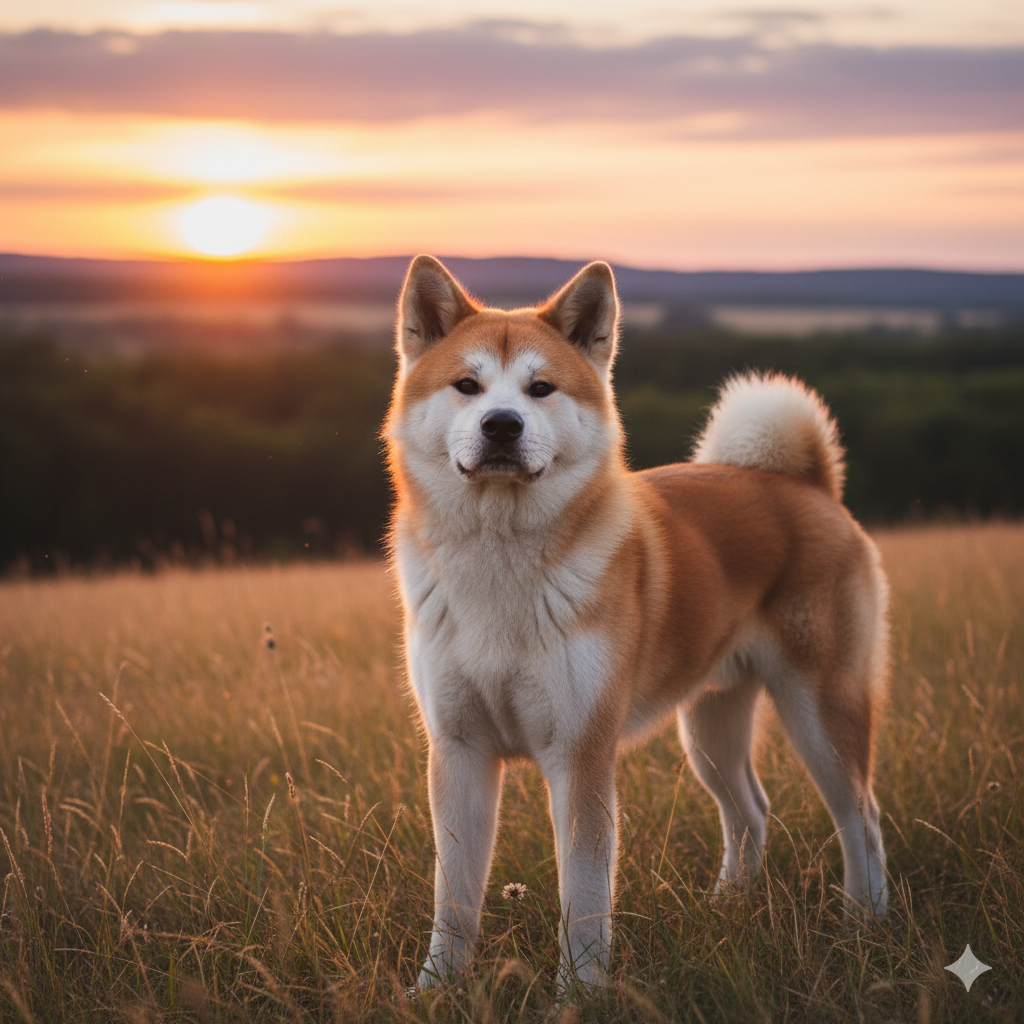
The first time you see tufts of fur swirling around your living room after a brisk walk with your Akita, you might wonder if you adopted a dog or a small snowstorm. As the owner of an Akita named Miso, I’ve watched carpets vanish under a blizzard of hair—sometimes it’s impressive, sometimes it’s mildly traumatic. But is all that fluff normal? If you’re curious (or slightly panicked) about Akita shedding, let’s dig into what’s really behind the hair tornado.
1. Akita Shedding Frequency: Not For the Faint of Heart
When it comes to Akita shedding frequency, the reality is both impressive and, for some, a little overwhelming. Akitas are known for their majestic appearance and plush coats, but behind that beauty lies a truth every potential owner should know: Akitas shed, and they shed a lot. Understanding the unique shedding patterns of this breed is essential for anyone considering welcoming an Akita into their home.
The Akita Double Coat: Built for the Elements
Akitas have a dense double coat that serves as natural protection against harsh weather. This coat consists of a soft, insulating undercoat and a coarser, weather-resistant topcoat. While this double-layered fur keeps Akitas comfortable in both cold and warm climates, it also means that shedding is a constant part of life with this breed.
Year-Round Shedding: The Everyday Reality
Unlike some breeds that shed only during specific times of the year, Akitas shed moderately all year round. This means that even outside of the major shedding seasons, you can expect to find a steady supply of fur on your furniture, clothes, and floors. Regular brushing is essential to manage loose hair and keep the coat healthy, but it won’t eliminate shedding entirely.
Coat Blowing: The Shedding Season Spectacle
The real shedding drama begins during what Akita owners call “coat blowing” seasons. These occur twice a year—once in the spring and once in the fall. During these periods, Akitas lose their undercoat in massive clumps, a process triggered by changes in temperature and daylight. As Dog Grooming Specialist Lisa Hartman puts it:
"Akitas lose their undercoat in massive amounts twice a year—be prepared for more fur on your floor than on your dog."
During these Akita shedding seasons, the amount of fur released can be astonishing. Owners often joke that they could stuff a pillow—or even make a new dog—out of the hair collected in a single day. One Akita owner shared, “One spring, I swept enough fur to fill a pillow—true story!” This is not an exaggeration; it’s a rite of passage for Akita families.
How Long Does Shedding Season Last?
The duration of an Akita’s shedding season can vary. Typically, each “coat blowing” event lasts anywhere from 2 weeks up to 2 months. The length depends on factors like the individual dog’s genetics, local climate, and even indoor heating or cooling. During these weeks, daily brushing is not just recommended—it’s a necessity to manage the sheer volume of loose fur and prevent matting.
What Triggers Akita Shedding?
Temperature changes: Warmer weather in spring and cooler weather in fall signal the coat to shed.
Daylight shifts: Longer or shorter days can trigger hormonal changes that prompt shedding.
Stress or health issues: Non-seasonal heavy shedding may indicate stress, poor nutrition, or underlying health problems.
Recognizing Normal vs. Abnormal Shedding
While Akita shedding frequency is naturally high, it’s important to recognize what’s normal and what’s not. The heaviest shedding should occur during the spring and fall. If your Akita is losing large amounts of fur outside these periods, or if you notice bald patches, excessive scratching, or skin irritation, it’s time to consult a veterinarian. Non-seasonal heavy shedding can be a sign of allergies, parasites, or other health concerns.
Akita Shedding Tips: Managing the Fluff
Daily brushing during shedding season helps control loose fur and keeps your Akita comfortable.
Use the right tools: Undercoat rakes and slicker brushes are especially effective for Akita double coats.
Maintain a healthy diet: Good nutrition supports coat health and can minimize excessive shedding.
Keep up with regular baths: Bathing during coat blowing can help loosen dead hair for easier removal.
Living with an Akita means embracing the fluff—sometimes more than you ever imagined. Understanding the breed’s shedding patterns, especially the intense “coat blowing” seasons, prepares owners for what’s ahead and helps keep both dog and home comfortable.
2. Akita Coat Types and Why the Fur Keeps Coming
Understanding the Akita Double Coat
One of the most distinctive traits of the Akita breed is its thick, luxurious double coat. This unique feature is at the heart of most Akita shedding facts and is the main reason why fur seems to escape in every direction. The Akita double coat is made up of two layers:
Soft Undercoat: Dense, plush, and designed to keep the dog warm in harsh climates. This is the layer that sheds most heavily, especially during seasonal changes.
Firm Outer Coat: Slightly longer, coarser guard hairs that protect against dirt, moisture, and physical elements. These hairs also shed, though not as dramatically as the undercoat.
Because both layers shed, Akita owners often find themselves battling a never-ending supply of fur. As Akita owner Samantha Greene puts it:
"With Akitas, it often seems like no vacuum can quite keep up with the fluff."
Akita Coat Types: Standard vs. Long
When discussing Akita coat types, there are two main varieties to consider:
Standard (Typical) Coat: This is the most common Akita coat type. The standard Akita double coat features a thick, soft undercoat and a straight, harsh outer coat. Shedding from both layers is significant, especially during the twice-yearly “coat blow” when the undercoat is shed in clumps.
Long Coat (Wooly) Akita: Less common and often considered a breed fault in show circles, the long-coated Akita has even more hair. The fur is longer, softer, and often more prone to matting. Not surprisingly, long-coat Akitas shed even more than their standard-coated relatives, making them a true test for any vacuum cleaner.
Most Akitas you’ll meet will have the standard double coat, but if you encounter a long-coat Akita, be prepared for an even greater volume of fur.
Why Akitas Shed More Than Other Breeds
Compared to many other dog breeds, Akitas are notorious for their heavy shedding. The reason lies in their origins: Akitas were bred for cold, mountainous regions in Japan, where a thick double coat was essential for survival. This adaptation means that, even as pets, Akitas continue to shed heavily to regulate their body temperature.
Here’s how Akita shedding compares to other breeds:
Akita vs. Labrador Retriever: Both have double coats, but Akita fur is denser and sheds in larger clumps.
Akita vs. German Shepherd: German Shepherds also have double coats and shed a lot, but Akitas often outpace them during seasonal changes.
Akita vs. Poodles: Poodles have a single, curly coat and shed very little, making Akitas seem like fur factories by comparison.
Climate, Location, and Shedding Surprises
An unexpected twist in Akita shedding facts is how much climate and living environment can influence the amount of fur you’ll find around your home. While Akitas in colder regions may retain a thicker coat for longer periods, those living in warmer or more temperate areas might shed more consistently throughout the year.
Outdoor vs. Indoor Living: Akitas that spend more time indoors, especially in homes with artificial lighting and controlled temperatures, may experience irregular shedding cycles. The lack of natural seasonal cues can cause their bodies to shed lightly but steadily all year round.
City vs. Rural Living: City-dwelling Akitas, exposed to less dramatic temperature swings, may not “blow” their coats as dramatically as their country cousins. This can mean less fur all at once, but more continuous shedding.
Key Takeaways on Akita Shedding
The Akita double coat means fur escapes from both the undercoat and topcoat.
Standard coat Akitas are more common, but long-coat Akitas shed even more.
Climate, location, and indoor living can all affect how much your Akita sheds—and when.
Compared to other breeds, Akitas shed more heavily due to their thick double coat, a legacy of their cold-weather heritage.
3. Managing Akita Shedding (Without Losing Your Mind)
Living with an Akita means embracing a certain level of fluff in your life, but managing Akita shedding doesn’t have to leave you overwhelmed. With the right Akita dog grooming routine, effective Akita grooming tips, and a little patience, you can keep your home—and your sanity—intact. While shedding is a natural part of Akita coat care, the right approach can make a world of difference.
Establishing a Grooming Routine: Timing Is Everything
Akitas have a thick double coat that sheds year-round, but the real challenge comes during “coat-blowing” seasons—typically in spring and fall. During these times, Akitas shed their undercoat in clumps, creating what some owners call “fur blizzards.” Imagine trying to do your spring cleaning while your Akita is blowing their coat: dust bunnies meet fur blizzards, and suddenly your vacuum is working overtime.
The key to Akita shedding management is a consistent grooming schedule. During low-shedding periods, weekly brushing is usually enough to keep loose fur under control. However, when shedding peaks, daily brushing becomes essential. This not only removes dead hair before it ends up on your furniture but also helps prevent painful mats and tangles from forming in the dense undercoat.
Must-Have Akita Grooming Products and Tools
Not all grooming tools are created equal, especially when it comes to Akita coat care. Their thick fur requires more than a basic brush. Professional groomers recommend a combination of a slicker brush, an undercoat rake, and a sturdy metal comb. The slicker brush is great for removing surface debris and loose hair, while the undercoat rake reaches deep to pull out dead undercoat fur. A metal comb helps detangle and smooth the coat, ensuring no mats are left behind. And don’t forget a good lint roller—your pants and sofa will thank you!
Investing in quality Akita grooming products makes a noticeable difference. Cheaper tools often fail to penetrate the dense undercoat, leaving behind fur that will eventually end up on your floors. High-quality tools not only make grooming more effective but also more comfortable for both you and your Akita.
Bathing: Less Is More
Bathing your Akita can help manage shedding, but it’s important not to overdo it. Experts recommend bathing every 4 to 6 weeks. Bathing more frequently can strip the coat of its natural oils, leading to dry skin and even more shedding. Use a gentle, dog-specific shampoo to maintain coat health and shine. After a bath, be sure to dry your Akita thoroughly and brush out any loosened fur—this is often when you’ll see the most dramatic shedding.
Seasonal Shedding: Surviving the Coat-Blow
During coat-blowing season, daily grooming is non-negotiable. Specialized de-shedding tools can make this process easier by pulling out the loose undercoat before it spreads throughout your home. Some owners find it helpful to groom their Akita outdoors during this time, making cleanup much easier. Remember, no matter how diligent you are, you won’t be able to eliminate shedding completely—but you can keep it manageable.
Health Matters: Watch for Changes
While regular grooming is the best defense against shedding, it’s important to watch for sudden increases in hair loss. Excessive shedding outside of normal seasons can signal allergies, skin conditions, or other health issues. If you notice bald patches, irritated skin, or a dramatic change in your Akita’s coat, consult your veterinarian.
"Regular grooming doesn't just help with shedding; it strengthens your bond with your Akita." – Ricardo Menendez, Professional Groomer
In conclusion, Akita shedding is a fact of life, but it doesn’t have to take over your home. By establishing a regular grooming routine, using the right Akita grooming products, and bathing wisely, you can keep your Akita’s coat healthy and your living space fur-free. Remember, while shedding can be managed, it can never be fully stopped—so embrace the fluff, invest in a good vacuum, and enjoy the unique companionship that only an Akita can offer.
TL;DR: Akitas do shed—a lot. Prepare for serious coat blowouts each spring and fall, brush often, and invest in good grooming tools. With a little effort, you can manage the fluff (and reclaim your couch).
Disclaimer: The author(s) of this blog are not veterinarians and assume no responsibility for the use or misuse of the information provided. Reliance on any information from this site is solely at your own risk. This blog may contain affiliate links, meaning we may earn a commission if you purchase products through these links. These commissions help support the site but do not influence our recommendations — we only suggest products we believe may benefit your pet's wellness.
Disclaimer: The content provided on Natural Dog Wellness Hub is for informational and educational purposes only. It is not intended as a substitute for professional veterinary advice, diagnosis, or treatment. Always seek the guidance of a licensed veterinarian or qualified pet health provider with any questions you may have regarding your dog's health, medical condition, or treatment options.
Comments
Post a Comment