Dogs need regular walks, not just as a treat but as a must. Without them, dogs can get restless and destructive. A lack of exercise is a significant contributor to canine obesity , which can cause serious health problems. Not taking dogs for walks can harm their health and happiness. Regular walks provide essential mental stimulation . They help reduce stress and anxiety in dogs. Key Takeaways Regular dog walks are crucial for maintaining physical health. Skipping dog walks can lead to destructive behavior. Canine obesity is a significant risk without regular exercise. Mental stimulation through walks reduces stress and anxiety. Consistency in walking routines is key to a dog's overall well-being. The Vital Role of Regular Exercise for Dogs Regular exercise is key for a dog's health and happiness. Dogs, no matter their breed or size, need daily activity. Dr. Karen Becker, a renowned veterinarian, once said , "Exercise is essential for dogs to maintain a healthy weight, i...
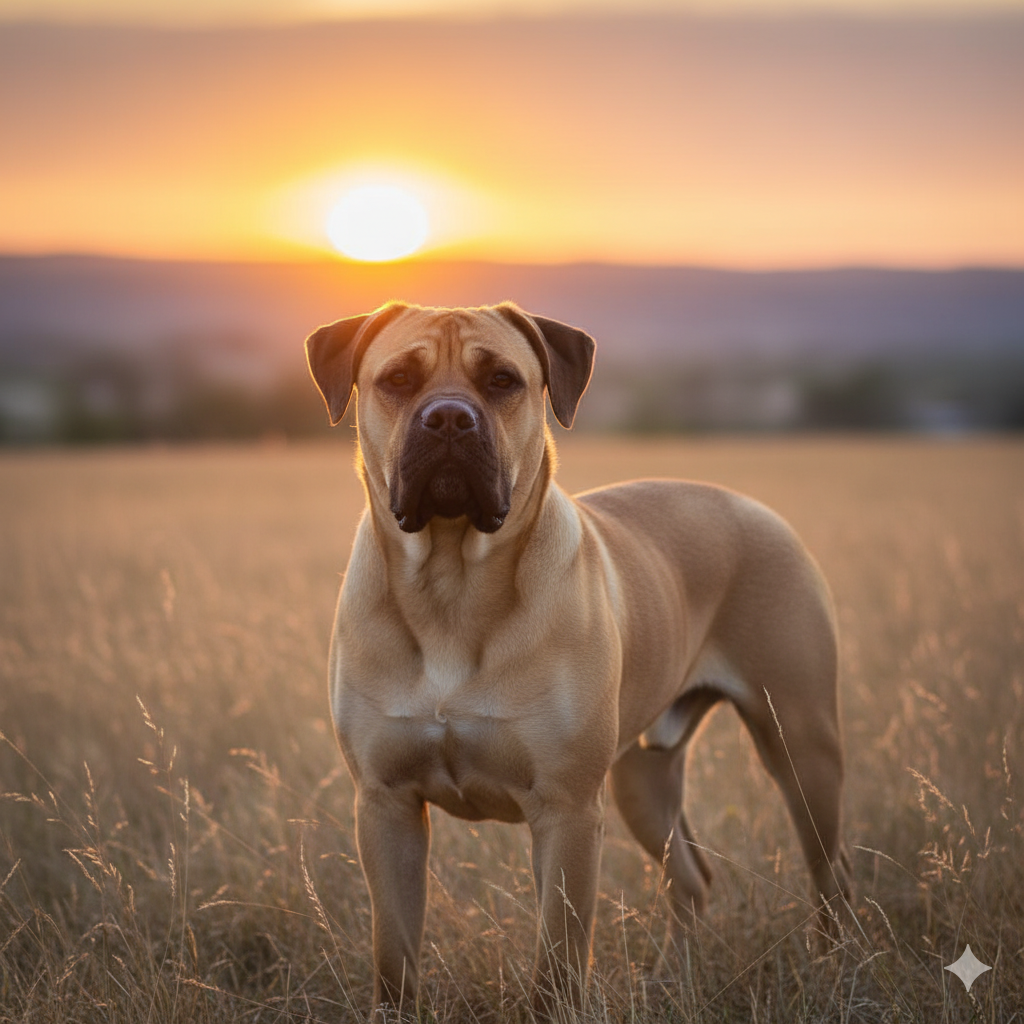
Picture this: You’ve just seen a Bullmastiff lumbering down the street, all muscle and solemn face—and you catch yourself thinking, “Maybe that’s my first dog.” Funny enough, years ago, I was in your shoes—caught between heart-thumping admiration and the logistics of welcoming a giant canine roommate. Before you get swept away by the sheer charm (and sheer size) of a Bullmastiff, let’s step back and figure out if your dreams and reality can coexist. Buckle up—some slobber and honest revelations ahead!
Myth vs. Muscle: The Surprising Bullmastiff Temperament
When people picture a Bullmastiff, they often imagine a massive, intimidating guard dog. While it’s true that Bullmastiffs are impressively built—males weighing 110-130 lbs and females 100-120 lbs, standing 24-27 inches tall—their temperament tells a much softer story at home. Understanding Bullmastiff temperament traits is essential for anyone considering this breed, especially as a first-time dog owner.
Bullmastiff Temperament: Calm Giants at Home
Bullmastiffs are known for their gentle, affectionate nature with family. Despite their size and strength, these dogs are often described as “calm giants.” They love to snuggle on the couch, quietly following their people from room to room. Their loyalty is deep, and they often form strong bonds with children, making them a cherished family companion.
Affectionate: Bullmastiffs thrive on close contact with their family.
Patient: They are tolerant and gentle with kids, often acting as a steady, watchful presence.
Low-key: Not overly excitable, they are content with moderate exercise and lots of downtime.
Bullmastiff Protective Nature: Wary of Strangers
While Bullmastiffs are loving at home, their protective instincts run deep. Originally bred to guard estates without biting, Bullmastiffs have a natural suspicion toward strangers. This doesn’t mean they are aggressive, but they are watchful and reserved, especially with unfamiliar people or animals. Don’t expect instant best-friend energy at the dog park—these dogs take their time to warm up to newcomers.
"A Bullmastiff’s heart is as big as its chest, but it never forgets its purpose—to love and, yes, sometimes to guard." – Lee Charles Kelley
Story Time: Samson, the Gentle Guardian
Consider Samson, a neighbor’s Bullmastiff. Despite living with three boisterous kids, Samson is the picture of patience—enduring dress-up games and backyard chaos with a calm gaze. However, when the delivery driver approaches, Samson’s demeanor shifts. He positions himself between the front door and his family, quietly watching until the “threat” passes. This balance between gentle family companion and vigilant protector is classic Bullmastiff behavior.
Key Trait: Loyalty That Can Surprise
Bullmastiffs are profoundly loyal. This loyalty is a double-edged sword: it makes them excellent for home security, but it can be a curveball during playdates or when guests arrive. Their protective nature means they may not always be the life of the party, and early, consistent socialization is essential to help them distinguish between friend and foe.
Good for: Families seeking a calm, loving, and protective dog.
Challenging for: Owners wanting a social butterfly or a dog that’s instantly friendly with everyone.
Keep in mind that the Bullmastiff temperament is a blend of gentle affection and steadfast protectiveness. These calm giants are loving at home but always ready to stand guard, making them unique among family dogs.
Reality Check: Training, Socialization, and the (Stubborn) Learning Curve
When it comes to Bullmastiff training tips, one thing is clear: these dogs are smart, but they have a mind of their own. Many new owners are surprised when their Bullmastiff looks at them as if they’ve just asked for a calculus equation instead of a simple “sit.” This independent streak is part of their charm, but it can also make Bullmastiff obedience training a real test of patience and creativity—especially for beginners.
"You don’t teach a Bullmastiff, you negotiate with one." – Patricia McConnell
That quote rings true for anyone who’s tried to train a Bullmastiff. They’re not defiant, but they do like to think things over before responding. For example, my uncle’s first Bullmastiff learned “stay” quickly—unless a squirrel happened to dash by. In that case, all bets were off, and the “stay” command was instantly forgotten. This is a classic example of Bullmastiff training challenges that many first-time owners face.
Bullmastiff Training Tips for Beginners
Start Early: The best time to begin Bullmastiff obedience training is during puppyhood. Early lessons help set boundaries and expectations before stubborn habits set in.
Positive Reinforcement: Reward-based methods—using treats, praise, and play—work best. Harsh corrections or punishment can make a Bullmastiff shut down or become even more stubborn.
Consistency is Key: Bullmastiffs thrive on routine and clear rules. Everyone in the household should use the same commands and expectations to avoid confusion.
Short, Fun Sessions: Keep training sessions brief and upbeat. Bullmastiffs can get bored or lose interest if lessons drag on.
Bullmastiff Socialization: Building Confidence Early
Socialization is just as important as obedience. Exposing your Bullmastiff puppy to new people, animals, sights, and sounds helps prevent fearfulness and anxiety later on. Puppy classes are highly recommended for beginners, as they provide a controlled environment for learning and play.
Meet New Faces: Arrange playdates with friendly dogs and invite guests over to help your Bullmastiff become comfortable with strangers.
Explore New Places: Take your puppy on walks in different neighborhoods, parks, and pet-friendly stores to broaden their experiences.
Positive Experiences: Pair new encounters with treats and praise to create happy associations.
Patience and Firm, Gentle Guidance
Training a Bullmastiff isn’t about being the boss—it’s about being a confident, calm leader. Consistent, firm (but never harsh) guidance is critical, especially for first-time owners. Remember, Bullmastiffs are intelligent but independent-minded. They respond best when they trust and respect their owner, not when they feel pressured or intimidated.
While Bullmastiffs can present unique training challenges, early Bullmastiff socialization and positive, patient methods set the stage for a well-mannered companion. For those willing to invest the time and effort, the rewards are well worth the stubborn learning curve.
Living Large: Care, Space, and All That Drool
Bullmastiffs may see themselves as lap dogs, but their sheer size tells a different story. If you’re considering bringing one into your home, be prepared for a gentle giant who takes up more than just physical space—these dogs fill your life with love, loyalty, and, yes, a fair amount of drool.
Bullmastiff Care and Maintenance: Big Dog, Big Commitment
When it comes to Bullmastiff care, think sturdy furniture and a willingness to share your space. These dogs can weigh up to 130 pounds, and while they’re calm indoors, they’re not suited for tight apartments. A spacious home with a secure yard is ideal. Bullmastiffs aren’t hyperactive, but they need room to stretch out and move comfortably.
Despite their size, grooming is refreshingly simple. Their short coat sheds moderately and only needs weekly brushing. However, if you’re sensitive to drool, invest in lint rollers and keep towels handy. Bullmastiff drooling is legendary—expect to mop floors and wipe faces regularly. As Michael Brandow puts it:
"Living with a Bullmastiff teaches you the art of mopping floors and embracing big shadows at your feet."
Bullmastiff Exercise Requirements: Keep It Moderate
Unlike some large breeds, Bullmastiff exercise requirements are moderate. They enjoy daily walks and gentle play, but don’t need marathon runs. In fact, high-impact activities—especially before they’re fully grown—can harm their developing joints. Puppies should avoid rough play and long runs. Instead, focus on short walks and calm games until adulthood.
Daily walks: 30-45 minutes, split into two sessions
No high-impact exercise for puppies (avoid stairs, jumping, or running on hard surfaces)
Supervised play in a secure yard is ideal
This moderate approach helps prevent injuries and supports healthy growth.
Bullmastiff Health Issues: Size Comes With Risks
With their impressive build, Bullmastiffs are prone to certain Bullmastiff health issues. Joint problems like hip and elbow dysplasia are common, so regular vet check-ups are essential. Their size also puts them at risk for bloat, heart conditions, and some cancers. Responsible Bullmastiff care and maintenance means monitoring their weight, providing a balanced diet, and watching for early signs of discomfort or illness.
Common health concerns: Hip/elbow dysplasia, bloat, heart issues
Routine vet visits and preventive care are crucial
Weight management helps reduce joint stress
Drool: The Unavoidable Accessory
If you’re a neat freak, be warned: Bullmastiff drooling is part of the package. Their loose lips mean saliva on floors, furniture, and sometimes your clothes. Keep towels in every room and embrace the mess as part of the breed’s charm.
Living with a Bullmastiff means embracing their size, managing their health, and accepting a little extra cleaning. They’re not for everyone, but for the right owner, these mighty softies are unforgettable companions.
Wildcard: If Bullmastiffs Were Superheroes...
Imagine a superhero whose greatest powers are gentle cuddles and an intimidating side-eye. That’s the Bullmastiff in a nutshell—invincible against unexpected guests, yet occasionally outsmarted by a crafty backyard squirrel. When considering the best dog breeds for first-time owners, the Bullmastiff’s temperament suitability stands out as both a blessing and a challenge, especially for those new to dog ownership.
Bullmastiffs are the ultimate guardians with a soft, gooey center. Their protective instincts make them natural defenders of the home, but their affectionate side means they’re just as likely to be found snuggled up on the couch as they are standing sentry at the door. This unique blend of protector and companion is a double-edged sword for first-time dog owners. On one hand, their loyalty and love are unmatched; on the other, their size, strength, and need for consistent training can be overwhelming for someone without prior experience.
Choosing a Bullmastiff as your first dog is a bit like picking a superhero as your sidekick. Not all superhero capes fit first-timers, and the responsibility can be significant. Bullmastiffs require thoughtful commitment, patience, and a willingness to learn. Their dual nature means they need both firm guidance and gentle affection. Without proper training and socialization, their protective instincts can become a challenge rather than an asset. Yet, with the right preparation, even a novice can rise to the occasion and help their Bullmastiff become the best version of themselves.
It’s important to ask yourself: Would you choose the responsibility of a guardian with a soft heart, or would a smaller, lower-maintenance sidekick be a better fit for your first adventure into dog ownership? The answer depends on your lifestyle, your willingness to invest time in training, and your comfort with a large, powerful breed. While Bullmastiffs are not always listed among the best dog breeds for first-time owners, those who are committed and prepared often find their gentle giants to be deeply rewarding companions.
As Emily Blackwell puts it,
"Every Bullmastiff is just a misunderstood superhero—saving households one nap at a time."
In conclusion, the Bullmastiff’s superhero status comes with both perks and responsibilities. Their temperament suitability for first-time dog owners hinges on preparation, guidance, and a genuine desire to embrace both their protective and affectionate sides. If you’re ready for the challenge, a Bullmastiff might just be the loyal, loving superhero you never knew you needed. But if you’re looking for a sidekick with less responsibility, there are plenty of other breeds better suited for beginners. Ultimately, the choice is yours—will you don the cape and welcome a mighty softie into your life?
TL;DR: Bullmastiffs can make loyal, loving companions, but their size and temperament present real challenges for first-time owners. Consider your experience, commitment, and lifestyle before bringing one home.
Disclaimer: The author(s) of this blog are not veterinarians and assume no responsibility for the use or misuse of the information provided. Reliance on any information from this site is solely at your own risk. This blog may contain affiliate links, meaning we may earn a commission if you purchase products through these links. These commissions help support the site but do not influence our recommendations — we only suggest products we believe may benefit your pet's wellness.
Disclaimer: The content provided on Natural Dog Wellness Hub is for informational and educational purposes only. It is not intended as a substitute for professional veterinary advice, diagnosis, or treatment. Always seek the guidance of a licensed veterinarian or qualified pet health provider with any questions you may have regarding your dog's health, medical condition, or treatment options.
Comments
Post a Comment