Dogs need regular walks, not just as a treat but as a must. Without them, dogs can get restless and destructive. A lack of exercise is a significant contributor to canine obesity , which can cause serious health problems. Not taking dogs for walks can harm their health and happiness. Regular walks provide essential mental stimulation . They help reduce stress and anxiety in dogs. Key Takeaways Regular dog walks are crucial for maintaining physical health. Skipping dog walks can lead to destructive behavior. Canine obesity is a significant risk without regular exercise. Mental stimulation through walks reduces stress and anxiety. Consistency in walking routines is key to a dog's overall well-being. The Vital Role of Regular Exercise for Dogs Regular exercise is key for a dog's health and happiness. Dogs, no matter their breed or size, need daily activity. Dr. Karen Becker, a renowned veterinarian, once said , "Exercise is essential for dogs to maintain a healthy weight, i...
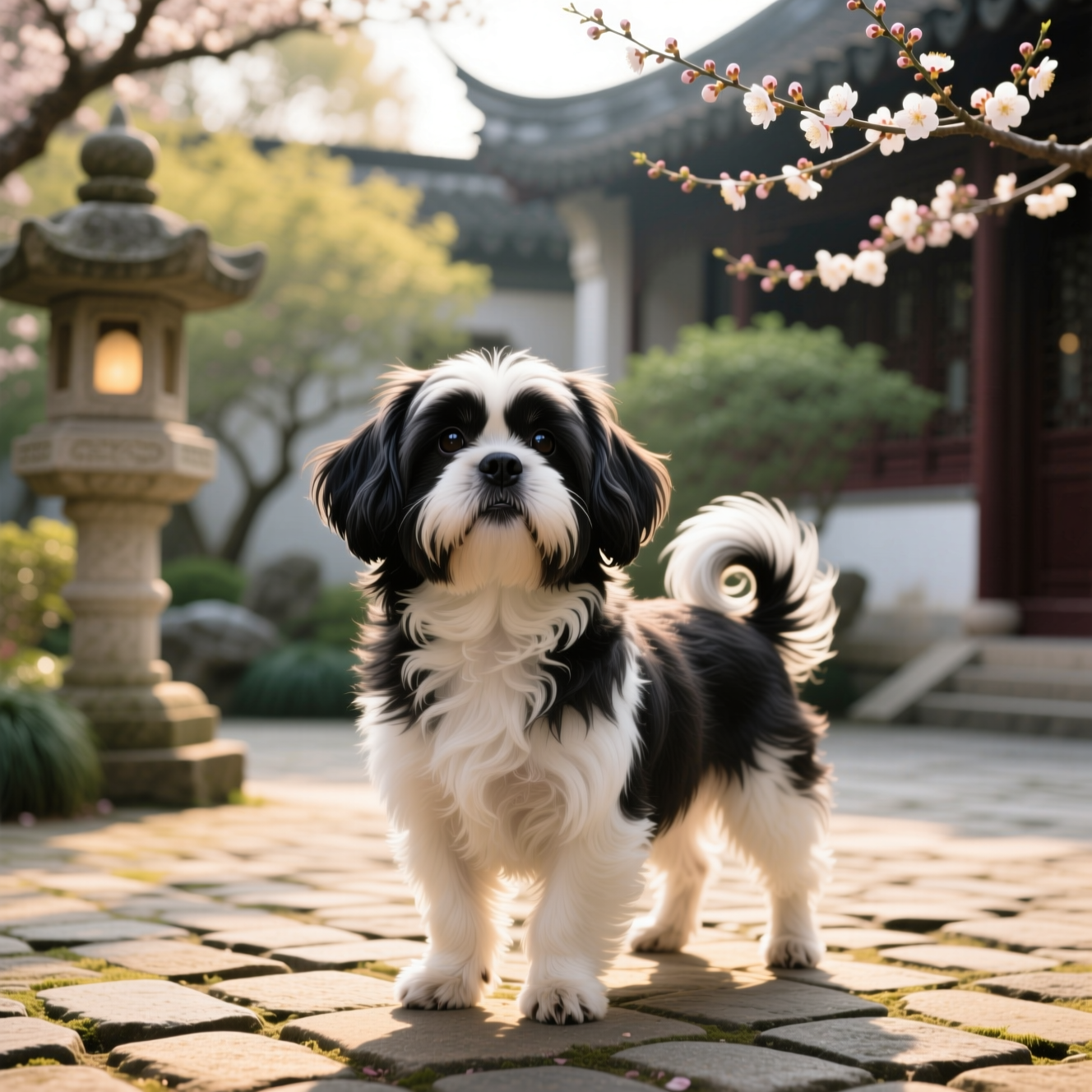
It started on a chilly Sunday morning with Marbles, a Shih Tzu whose snoring could rival a diesel engine. His owner, baffled by persistent watery eyes and a mysterious limp, embarked on a journey full of vet visits, shampoo trials, and canine side-eye. Surprisingly, these everyday hiccups are part and parcel of raising this lovable (and stubborn!) breed. From misbehaving fur to mysterious health quirks, here’s a no-nonsense dive into the real issues every Shih Tzu owner might face—and survive.
The Unexpected World of Shih Tzu Health Issues (Yes, There’s More Than Just Cuteness)
Eye Drama: More Than Just Puppy Dog Eyes
When it comes to eye problems Shih Tzu owners know the struggle is real. Those big, soulful eyes are adorable, but they’re also a magnet for trouble. Shih Tzus are genetically predisposed to a range of eye conditions because their eyes are so prominent and exposed. Common issues include:
Excessive tearing – It’s not just emotion; their eyes often water due to shallow sockets and blocked tear ducts.
Dry eye (keratoconjunctivitis sicca) – Their eyes may not produce enough tears, leading to irritation and even ulcers.
Cherry eye – This is when a gland in the third eyelid pops out, creating a red, swollen mass. One owner joked about handing out doggy sunglasses to hide the look!
Glaucoma and cataracts – These conditions become more common as Shih Tzus age, potentially leading to vision loss if not treated early.
According to Dr. Sarah Wooten,
“Shih Tzus’ adorable faces come with their own set of health trade-offs, especially when it comes to their eyes and snouts.”
The prevalence of eye disorders in Shih Tzus increases with age, so regular veterinary eye checks are crucial. Owners should watch for signs such as squinting, redness, pawing at the face, or changes in the appearance of the eyes.
Kidney Trouble: The Worry Magnet Called Renal Dysplasia
Another major Shih Tzu health issue is kidney disease, specifically a genetic condition called renal dysplasia. This disease can show up early in life, sometimes even before a puppy leaves the breeder. Symptoms can include:
Poor growth or failure to thrive
Increased thirst and urination
Lethargy and loss of appetite
Vets often call it renal dysplasia, but for everyday Shih Tzu families, it’s a constant source of worry. Since kidney disease can be congenital (present from birth), it’s important to ask breeders about family history and to monitor young dogs for any signs of trouble. Early diagnosis and supportive care can help manage symptoms and improve quality of life.
Breathing Blues: Brachycephalic Airway Syndrome
The Shih Tzu’s signature snub-nose isn’t just for looks. Their short, flat faces make them prone to Brachycephalic Airway Syndrome. This condition means their airways are often narrower and more easily obstructed. Common signs include:
Noisy breathing or snoring, even when awake
Snorting, gagging, or reverse sneezing
Difficulty exercising, especially in hot or humid weather
On hot days, Shih Tzus are at risk for breathing crises. Owners need to be extra vigilant, avoiding strenuous activity and keeping their dogs cool. In severe cases, surgery may be needed to help open the airways.
How Dental Neglect Backfires: The Hidden Dangers
Dental disease is one of the most commonly missed Shih Tzu health issues. Their small mouths and crowded teeth create the perfect environment for plaque and tartar buildup. After age 3, dental disease becomes much more common. One clever Shih Tzu managed to hide a painful toothache by only chewing on one side of his mouth—a trick that delayed treatment and led to more serious problems.
Signs of dental disease Shih Tzu owners should watch for include:
Bad breath
Difficulty eating or chewing on one side
Red or bleeding gums
Loose or missing teeth
Regular tooth brushing, dental chews, and professional cleanings are key to preventing dental disease. Ignoring dental care can lead to pain, infection, and even heart or kidney problems down the line.
Key Takeaways for Shih Tzu Owners
Genetic predispositions mean Shih Tzus need extra attention to eyes, kidneys, airways, and teeth.
Early detection and regular vet visits are the best defense against these common health issues.
Simple daily habits—like cleaning eyes and brushing teeth—can make a big difference in your Shih Tzu’s health and happiness.
Grooming: More Than Just Vanity (Or, Why My Vacuum Fears Shih Tzus)
When it comes to grooming issues, Shih Tzus are in a league of their own. Their flowing double coat may look glamorous, but beneath the surface lies a world of hidden knots, potential health problems, and enough loose fur to make any vacuum cleaner tremble. For Shih Tzu owners, grooming isn’t just about keeping up appearances—it’s a daily battle against matting, infections, and skin troubles that can quickly spiral out of control if neglected.
Matting Mayhem: The Double Coat Dilemma
Shih Tzus have a luxurious double coat: a soft undercoat and a longer, silky topcoat. This combination is beautiful, but it’s also a recipe for matting mayhem. Even a single missed brushing can lead to tangled fur, and after a weekend away from the brush, some Shih Tzus emerge looking like tiny woolly mammoths. As professional groomer Jenita Parker puts it:
"Every Shih Tzu client seems to come in with a different version of fur—sometimes I think they invent new knots just to keep us guessing."
Matted fur isn’t just unsightly. It can pull painfully at the skin, trap dirt and moisture, and hide wounds or parasites. Over time, mats can cause ‘hotspots’—painful, inflamed patches that may become infected. Severe matting can even cut off circulation to parts of the skin, leading to more serious health issues.
Doggy Spa Days: More Than Just Instagram Moments
Regular grooming is essential for Shih Tzu dog grooming, and it’s about much more than looking cute for social media. A weekly bath and brush routine helps to:
Prevent matting and tangles
Remove dirt, debris, and loose fur
Spot hidden wounds, lumps, or skin changes early
Reduce the risk of skin infections and rashes
Neglecting this routine can have real consequences. Shih Tzus are especially prone to ear infections, which often start when fur blocks the ear canal or traps moisture after swimming or bathing. According to veterinary data, ear infections are more common in breeds with heavy coats covering the ears—like the Shih Tzu. Regular cleaning and careful drying of the ears after baths are crucial steps in preventing these painful problems.
Surprising Skin Blunders: More Than Just Itchiness
Shih Tzus are not only famous for their fur, but also for their sensitive skin. Grooming issues Shih Tzu owners face often include:
Skin tumors: Shih Tzus are at higher risk for benign and malignant skin tumors, which can hide under thick fur and go unnoticed without regular checks.
Demodectic mange: This skin condition, caused by mites, can lead to hair loss, redness, and infection if not caught early.
Allergic reactions: Even that ‘all-natural’ shampoo trending on TikTok can trigger rashes or irritation in sensitive Shih Tzu skin.
Because their coat can easily hide trouble spots, regular grooming sessions are the best time to check for lumps, bumps, or signs of infection. Early detection makes treatment easier and less expensive.
Ear Health and Coat Care: Inseparable for Shih Tzus
For this breed, ear health and coat care go hand in hand. The hair inside and around the ears can trap wax and moisture, creating a perfect environment for bacteria and yeast. Left unchecked, this leads to chronic ear infections—a common complaint among Shih Tzu owners. Regularly trimming the hair around the ears, cleaning the ear canal, and keeping the area dry are essential steps in Shih Tzu dog grooming.
Preventing Problems: Simple Solutions
Brush your Shih Tzu daily to prevent mats and tangles.
Schedule weekly baths with gentle, dog-safe shampoo.
Check ears after every bath or swim; keep them clean and dry.
Inspect skin for lumps, rashes, or wounds during grooming.
Consult a professional groomer for regular trims and advice.
Grooming issues in Shih Tzus go far beyond the surface. With a little extra care and attention, owners can prevent painful matting, ear infections, and skin tumors—keeping both their dogs and their vacuums much happier.
Behavioral Quirks or True Problems? Living With the Shih Tzu Attitude
Living with a Shih Tzu is often described as sharing your home with a tiny, furry comedian—one with a mind of their own. While their charm is undeniable, Shih Tzus are also famous for their unique behavioral quirks. Owners frequently wonder: are these just breed traits, or are they signs of deeper behavioral problems in Shih Tzus? Understanding the difference is key to a happy, healthy relationship with your pet.
One of the most talked-about quirks is the infamous “selective hearing.” Many Shih Tzu owners joke that their dogs treat basic commands like “sit” and “stay” as mere suggestions, not rules. As one owner put it, “My Shih Tzu only listens when there’s a treat in my hand.” This stubborn streak is a well-known Shih Tzu breed problem, but it’s not always just about personality. Trainer Matt Fields sums it up best:
'With a Shih Tzu, the trick is to train yourself first—then the dog might follow.'
Consistency is crucial. Early training, positive reinforcement, and patience can help reduce behavioral problems in Shih Tzus. However, if stubbornness suddenly appears or worsens, it’s important to consider medical causes. Sometimes, what looks like a behavioral issue is actually a symptom of an underlying health problem.
Another common challenge is their anxious attachment to their humans. Shih Tzus are bred to be companion dogs, and their devotion can sometimes turn into separation anxiety. This may show up as excessive barking, destructive chewing, or even creative escape attempts when left alone. These behaviors are not just frustrating—they can be distressing for both dog and owner. Early socialization and gradual training to tolerate alone time can help, but severe cases may require professional intervention.
Perhaps the most overlooked cause of behavioral changes in Shih Tzus is hypothyroidism. This medical condition, where the thyroid gland doesn’t produce enough hormones, is more common in the breed than many realize. Hypothyroidism in Shih Tzu dogs can mimic laziness, stubbornness, or even antisocial behavior. Owners might notice their dog becoming sluggish, gaining weight, or developing odd patches of hair loss. Mood swings and a lack of interest in play or training are also common. These symptoms can leave owners wondering if their beloved pet has suddenly turned into a different dog.
It’s crucial to recognize that hypothyroidism is not just a behavioral issue—it’s a health risk that requires veterinary attention. Left untreated, it can increase susceptibility to skin and ear infections, further complicating your Shih Tzu’s well-being. The good news is that hypothyroidism is treatable with daily medication, and most dogs return to their happy, energetic selves once their hormone levels are balanced. This is a prime example of why Shih Tzu health risks prevention and regular vet check-ups are so important for this breed.
So, how can owners tell the difference between a quirky Shih Tzu attitude and a true problem? The answer lies in observation and partnership with your veterinarian. If your dog’s behavior changes suddenly, or if training doesn’t seem to help, it’s time to look for medical causes. Behavioral problems in Shih Tzus often have roots in both their unique personalities and their health. Addressing both sides—through consistent training and attentive medical care—gives your Shih Tzu the best chance at a happy, balanced life.
In conclusion, living with a Shih Tzu means embracing their quirks while staying alert to signs of deeper issues. Whether it’s selective hearing, anxious attachments, or the hidden effects of hypothyroidism, understanding the source of your dog’s behavior is essential. With patience, early training, and regular health checks, most Shih Tzu breed problems can be managed or even prevented. The real secret to success? Remembering that, sometimes, the biggest challenge is training yourself to see the world through your Shih Tzu’s eyes—and loving them all the more for it.
TL;DR: Shih Tzus are adorable, but their owners should watch for eye trouble, breathing difficulties, grooming woes, and more. With regular care and early detection, most problems can be managed—leaving plenty of time for snuggles and laughter.
Disclaimer: The author(s) of this blog are not veterinarians and assume no responsibility for the use or misuse of the information provided. Reliance on any information from this site is solely at your own risk. This blog may contain affiliate links, meaning we may earn a commission if you purchase products through these links. These commissions help support the site but do not influence our recommendations — we only suggest products we believe may benefit your pet's wellness.
Disclaimer: The content provided on Natural Dog Wellness Hub is for informational and educational purposes only. It is not intended as a substitute for professional veterinary advice, diagnosis, or treatment. Always seek the guidance of a licensed veterinarian or qualified pet health provider with any questions you may have regarding your dog's health, medical condition, or treatment options.
Comments
Post a Comment