Dogs need regular walks, not just as a treat but as a must. Without them, dogs can get restless and destructive. A lack of exercise is a significant contributor to canine obesity , which can cause serious health problems. Not taking dogs for walks can harm their health and happiness. Regular walks provide essential mental stimulation . They help reduce stress and anxiety in dogs. Key Takeaways Regular dog walks are crucial for maintaining physical health. Skipping dog walks can lead to destructive behavior. Canine obesity is a significant risk without regular exercise. Mental stimulation through walks reduces stress and anxiety. Consistency in walking routines is key to a dog's overall well-being. The Vital Role of Regular Exercise for Dogs Regular exercise is key for a dog's health and happiness. Dogs, no matter their breed or size, need daily activity. Dr. Karen Becker, a renowned veterinarian, once said , "Exercise is essential for dogs to maintain a healthy weight, i...
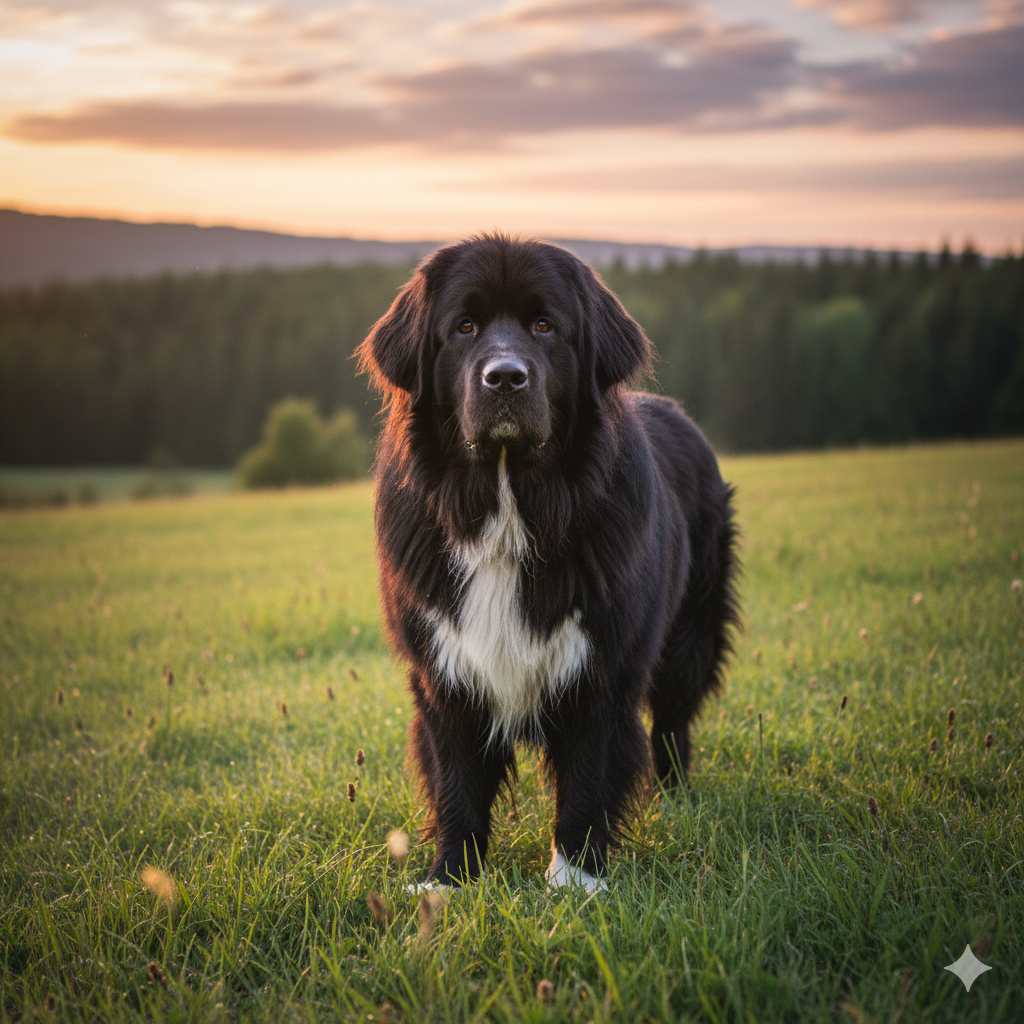
When I first met a Newfoundland, it was like watching a furry bear lumber toward me—but instead of running for the hills, I was greeted with sloppy kisses and a drool-soaked ball. For anyone wondering if these massive dogs can double as tough guard dogs, the answer is anything but straightforward. Let’s dig into what makes Newfoundlands protective, where their strengths (and soft spots) lie, and whether they could really scare off an unwelcome visitor.
Brawn Without the Bite: The Newfoundland’s Strength and Its Intimidation Factor
When it comes to dog size and strength, few breeds command attention quite like the Newfoundland dog breed. These dogs are true giants, regularly tipping the scales at 100 to 150 pounds and standing up to 28 inches tall at the shoulder. Their massive build, broad head, and deep chest are reminiscent of classic guard dog breeds. Yet, while their appearance alone can cause a visitor to hesitate, their temperament sets them apart from more traditional guardians.
Physical Features: Built for Power and Presence
Weight: 100-150 pounds on average
Height: Up to 28 inches at the shoulder
Coat: Thick, water-resistant double coat
Paws: Large, webbed for swimming
Head: Broad and expressive, with soulful eyes
These dog breed features were originally developed for water rescue and hauling nets, not for guarding property. However, the sheer size and strength of a Newfoundland can be enough to make anyone think twice before approaching uninvited.
The Intimidation Factor: Size as a Passive Deterrent
It’s easy to see why the intimidation factor of a Newfoundland is so high. Their imposing silhouette at the front door or in the yard can startle strangers, even when the dog is perfectly calm. As Dr. Emily Turner, a canine behaviorist, puts it:
The presence of a Newfoundland at your front door is enough to give anyone second thoughts.
Unlike breeds that rely on barking or aggressive posturing, Newfoundlands use their size and presence as a form of passive deterrence. Their calm confidence and steady gaze can be more unsettling to an outsider than a flurry of noise or teeth.
Temperament: Gentle Giants, Not Attack Dogs
Despite their intimidating looks, the Newfoundland’s protective instincts are expressed in a gentle, patient way. They are famously known as “nanny dogs” because of their strong bonds with children and their nurturing nature. Aggression is rare in the breed; instead, they are more likely to position themselves between their family and a perceived threat, using their bulk as a barrier rather than a weapon.
Consider this real-life example: A friend’s Newfoundland once blocked the front door when a delivery driver knocked. The dog stood firm, filling the doorway with his massive frame. The delivery driver hesitated, unsure whether to approach. All the while, the Newfoundland’s tail wagged enthusiastically, showing no signs of aggression—just a gentle reminder of who was in charge of the threshold.
Dog Size and Strength: A Double-Edged Sword
The Newfoundland’s dog size and strength are impressive, but they come with unique considerations. Their bulk means they can physically prevent entry or movement simply by standing in the way. Yet, their calm demeanor means they are unlikely to escalate a situation unless absolutely necessary. This makes them more of a “presence” dog than a “protection” dog in the traditional sense.
Pros: Size alone can discourage unwanted visitors
Cons: Lack of aggression means they may not confront intruders forcefully
For many families, this balance is ideal. The Newfoundland offers a sense of security through sheer presence, without the risks that can come with more aggressive breeds.
Newfoundland Dog Breed Features: More Than Meets the Eye
Beyond their size, Newfoundlands are equipped with features that hint at their original purpose. Their webbed paws and water-resistant coats are perfect for swimming, not chasing off intruders. Their deep bark is rare but can be startling when used. Most of the time, however, their approach to guarding is quiet and composed.
The Newfoundland’s intimidation factor comes from their impressive dog size and strength, not from any inherent aggression. They are gentle giants whose presence alone can make a difference, leveraging their physical features and calm confidence to passively protect their home and loved ones.
Protective Instincts Over Aggression: How Do Newfoundlands Respond to Threats?
When it comes to protective behavior, Newfoundland dogs are a breed apart. Known as “gentle giants,” their approach to guarding is rooted in calm vigilance and strong dog family bonds, rather than aggression or confrontation. While their sheer size and presence can be intimidating, Newfoundlands rely on their intelligence and gentle nature to protect those they love.
Vigilance Over Violence: The Newfoundland’s Unique Guarding Style
Unlike traditional guard dogs that may resort to barking, lunging, or biting, Newfoundlands display their dog guarding ability through subtle but effective means. Their protective instincts are strong, but these are channeled through non-aggressive responses. Instead of attacking, a Newfoundland is more likely to position itself between its family and a perceived threat, using its body as a gentle barrier.
Stepping Between Family and Danger: Newfoundlands instinctively move to block access to their loved ones if they sense trouble.
Vigilant Posture: They stand tall, alert, and attentive, watching carefully for any signs of real danger.
Barking as Warning: While not excessive barkers, they may let out a deep, rumbling bark to alert their family to something unusual.
Physical Blocking: They may quietly use their bodies to prevent children or family members from wandering into unsafe areas.
This gentle approach is why Newfoundlands are often called “nanny dogs.” Their protective behavior is especially evident with children, whom they watch over with patience and care. In fact, their reputation for being reliable and gentle with kids is legendary among dog lovers.
Intelligence and Discernment: Recognizing Real Threats
One of the most remarkable aspects of the Newfoundland’s dog vigilance is their ability to distinguish between real and false threats. Thanks to their intelligence and calm temperament, they are less likely to react impulsively. This discernment reduces the risk of accidents or unnecessary confrontations, making them a safe choice for families.
For example, if a stranger approaches the home, a Newfoundland may stand between the visitor and their family, watching closely and perhaps letting out a single warning bark. However, if the stranger is recognized as a friend or neighbor, the dog will quickly relax, showing their ability to assess situations accurately.
Newfoundlands guard with their hearts, not their teeth.
– Katie Miller, Newfoundland Owner and Breeder
Real-Life Example: Gentle Intervention
Stories from Newfoundland owners often highlight the breed’s gentle but effective protective instincts. One well-known example involves a Newfoundland who quietly intervened when a toddler wandered too close to a busy street. Instead of barking or panicking, the dog calmly stood in the child’s path, using its body to block the way. The child was safely redirected without fear or fuss—demonstrating the breed’s natural ability to protect through presence and patience.
Physical Presence as a Deterrent
While Newfoundlands are not aggressive, their size and confidence can be a powerful deterrent. Their guarding is often subtle, relying on an alert presence and physical blocking rather than noisy defense. This approach is effective in many situations, as most intruders or threats are discouraged by the sight of a large, watchful dog.
Visual Cues: Raised hackles, focused gaze, and a steady stance signal vigilance to both family and strangers.
Calm Confidence: Their relaxed but attentive demeanor reassures family members while warning off potential threats.
Rooted in Family Bonds
The Newfoundland’s protective behavior is deeply connected to their strong dog family bonds. They are known for their loyalty and devotion, especially to children. This “nanny dog” instinct is a result of generations of breeding for companionship and rescue, rather than aggression. Originally bred for water rescue, Newfoundlands have always been valued for their ability to think clearly under pressure and act with gentle strength.
In summary, Newfoundlands offer family protection through vigilance, intelligence, and a calm, physical presence. Their protective instincts are expressed not through aggression, but through a reliable, gentle guardianship that makes them beloved members of the family and trusted protectors at the gate.
Can You Train a Newfoundland to Be a Real Guard Dog?
When considering dog training for guarding, many people wonder if the gentle Newfoundland can truly be transformed into a reliable home protector. These dogs are famous for their sweet nature, patience, and loyalty, but their suitability as guard dogs is often debated. Understanding the unique dog temperament of the Newfoundland is essential before deciding if they can be trained for security roles.
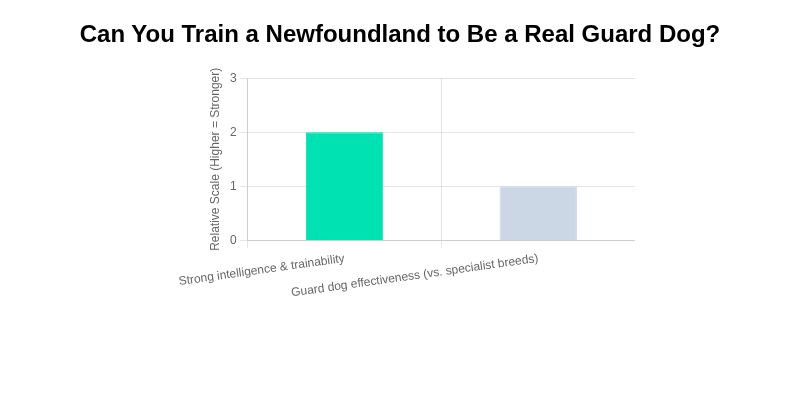
Newfoundlands are highly intelligent and eager to please, which makes them responsive to positive reinforcement and early socialization. Their trainability is well-documented, and they excel in tasks that require cooperation and calmness. However, their fundamental temperament is rooted in gentleness and friendliness, not aggression. This means that while they can learn to alert their owners to unusual activity, their dog guarding ability is naturally limited compared to breeds specifically developed for protection work, such as German Shepherds or Rottweilers.
Professional dog training methods can certainly enhance a Newfoundland’s natural instincts to protect their family. Training focused on controlled protection—such as teaching the dog to bark or stand between their owner and a stranger—can be effective. However, it is crucial to avoid training that encourages aggression. As Jackson Reeves, a professional dog trainer, wisely notes:
“You can’t train away a Newfoundland’s kindness—you can only teach it to stand firm.”
This quote highlights the core challenge: Newfoundlands are not naturally confrontational. Even with months of dedicated dog training for guarding, a Newfoundland is more likely to gently nudge a stranger toward the treat jar than to bare its teeth in warning. Their instinct is to defuse tension, not escalate it. This makes them excellent companions and family dogs, but less effective as classic guard dogs.
When it comes to dog behavior and security, Newfoundlands can serve as a strong visual deterrent. Their sheer size and deep bark may be enough to make an intruder think twice. They are best suited for alert-and-deter roles, using their presence and voice to signal that something is amiss. However, if a situation escalates, a Newfoundland is unlikely to engage in the kind of confrontational guard work seen in breeds trained for Schutzhund or police work. Their guard dog effectiveness is therefore lower when compared to traditional protection breeds.
Early socialization and confident, consistent handling are key to maximizing a Newfoundland’s family protection potential. These dogs thrive when they feel secure and are given clear boundaries. Training should focus on reinforcing their natural protective instincts—such as staying close to family members and alerting to new people or sounds—without pushing them toward aggressive behaviors. This approach helps maintain the breed’s stable and reliable demeanor, which is one of their most valued traits.
It’s important to recognize that while professional training can improve a Newfoundland’s alertness and responsiveness, it rarely turns them into a classic ‘attack dog.’ Their core temperament is simply too gentle. Attempting to override this with aggressive training methods can lead to confusion and stress for the dog, undermining their confidence and potentially causing behavioral issues.
In a hypothetical scenario, even after extensive guard dog training, a Newfoundland might still greet a stranger with a wagging tail and a hopeful glance at the treat jar. Their loyalty and desire to please are unwavering, but their approach to security is rooted in calm assurance rather than confrontation.
In conclusion, while Newfoundlands can be trained to enhance their natural protective instincts and serve as effective deterrents, their fundamental nature means they are unlikely to become aggressive guard dogs. Their true strength lies in their ability to stand firm and alert their family to potential threats, not in physical confrontation. For families seeking a gentle giant who can provide a sense of security without aggression, the Newfoundland is an excellent choice. However, those in need of a classic guard dog with high guard dog effectiveness may need to look to other breeds better suited to the demands of protection work.
TL;DR: Newfoundlands are more gentle watchdogs than aggressive guard dogs, excelling in affectionate protection rather than intimidation or attack.
Disclaimer: The author(s) of this blog are not veterinarians and assume no responsibility for the use or misuse of the information provided. Reliance on any information from this site is solely at your own risk. This blog may contain affiliate links, meaning we may earn a commission if you purchase products through these links. These commissions help support the site but do not influence our recommendations — we only suggest products we believe may benefit your pet's wellness.
Disclaimer: The content provided on Natural Dog Wellness Hub is for informational and educational purposes only. It is not intended as a substitute for professional veterinary advice, diagnosis, or treatment. Always seek the guidance of a licensed veterinarian or qualified pet health provider with any questions you may have regarding your dog's health, medical condition, or treatment options.
Comments
Post a Comment