Dogs need regular walks, not just as a treat but as a must. Without them, dogs can get restless and destructive. A lack of exercise is a significant contributor to canine obesity , which can cause serious health problems. Not taking dogs for walks can harm their health and happiness. Regular walks provide essential mental stimulation . They help reduce stress and anxiety in dogs. Key Takeaways Regular dog walks are crucial for maintaining physical health. Skipping dog walks can lead to destructive behavior. Canine obesity is a significant risk without regular exercise. Mental stimulation through walks reduces stress and anxiety. Consistency in walking routines is key to a dog's overall well-being. The Vital Role of Regular Exercise for Dogs Regular exercise is key for a dog's health and happiness. Dogs, no matter their breed or size, need daily activity. Dr. Karen Becker, a renowned veterinarian, once said , "Exercise is essential for dogs to maintain a healthy weight, i...
Does Your Bernese Mountain Dog Really Need a Personal Trainer? An Honest Look at Their Exercise Needs
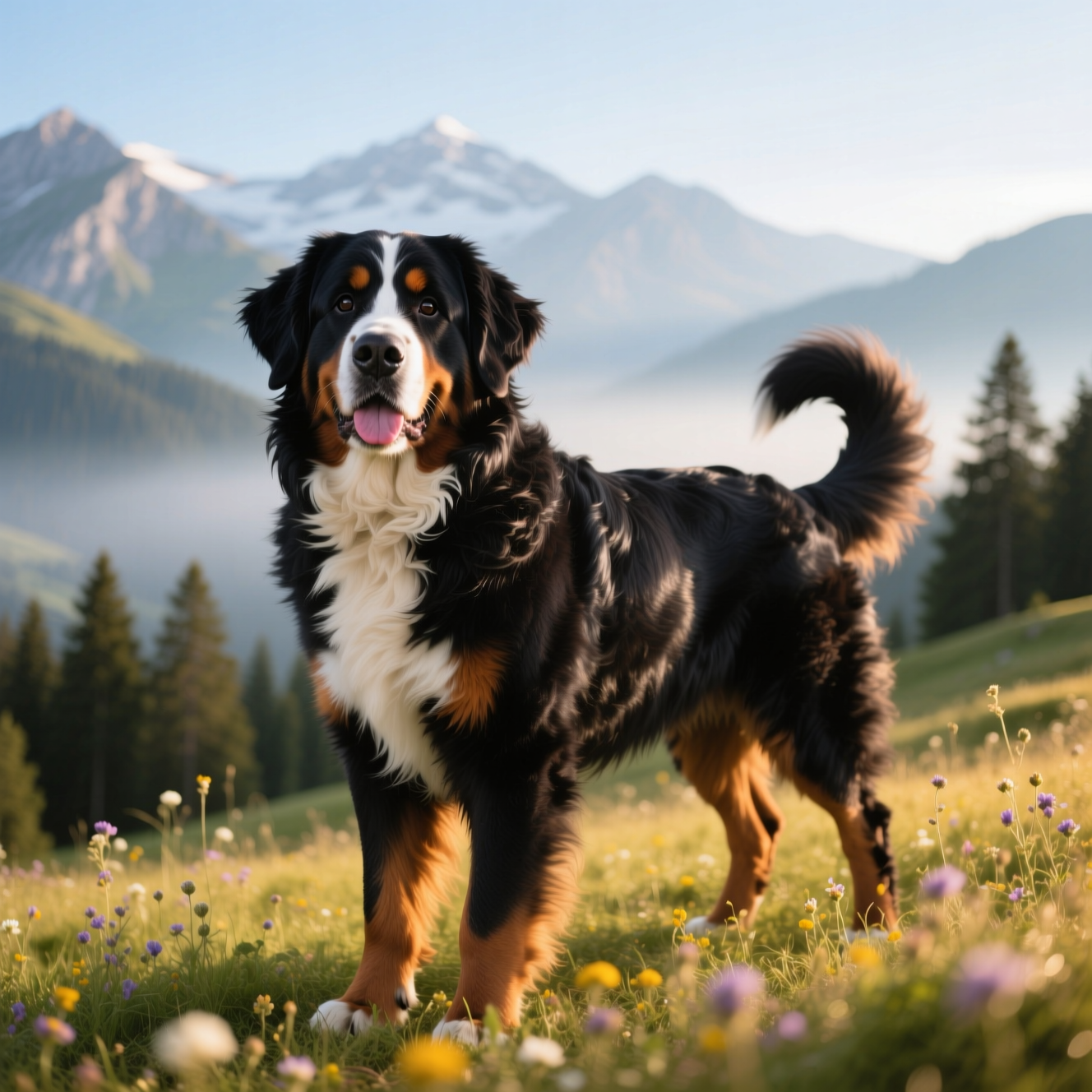
If you’ve ever watched a Bernese Mountain Dog trying to hop onto a couch that’s obviously too small, you’d be forgiven for thinking these are cozy, couch-loving giants. But what if they secretly moonlight as marathoners? In this post, we’re peeling back the fur to see if Berners truly need Herculean workouts – or just a brisk stroll with a treat or two. After all, Rufus (my neighbor’s Berner, who thinks he’s a lap dog) once ate an entire sandwich off the kitchen counter and then promptly demanded a walk in the rain. Clearly, there’s more to the story.
Not All Fluffy Giants Are Created Equal: Understanding Bernese Mountain Dog Activity Levels
At first glance, the Bernese Mountain Dog might seem like the ultimate couch companion—big, fluffy, and perfectly content to sprawl out in a patch of sunlight for hours. However, don’t let their relaxed appearance fool you. The typical Bernese Mountain Dog activity level is moderate, and these gentle giants require more than just a comfy bed to stay healthy and happy.
Beyond the Fluff: What Drives Bernese Mountain Dog Activity Levels?
It’s easy to assume that a large, easygoing dog like the Berner would be satisfied with a leisurely stroll and a nap. In reality, Bernese Mountain Dog exercise requirements are higher than many expect. Experts recommend at least 1 to 1.5 hours of daily exercise for this breed. This activity should be split into several sessions throughout the day rather than crammed into one long walk. Think of it as giving your Berner the chance to enjoy a few mini-adventures rather than one marathon outing.
As Dr. Jane Lewis, DVM, notes,
“Bernese Mountain Dogs can surprise their owners with sudden bursts of exuberance—especially if a favorite toy or friend is involved.”
These bursts of energy are part of what makes the Bernese Mountain Dog so endearing. While they may seem calm and collected, they’re always ready for a game of fetch, a brisk walk, or even a playful chase around the yard.
Daily Exercise: More Than Just Walks
Meeting Bernese Mountain Dog daily exercise needs isn’t just about physical movement. Berners thrive when their routines include:
Walks: Several moderate walks each day help maintain their physical health and allow for important sniffing and exploring time.
Playtime: Interactive games like fetch, tug-of-war, or even supervised off-leash play in a secure area are great ways to burn off energy.
Mental Stimulation: Puzzle toys, obedience training, and new experiences keep their intelligent minds engaged.
Outdoor Adventures: Berners often love hiking, gentle cart pulling, or even swimming—especially in cooler weather.
It’s important to remember that while Berners need regular activity, they are not built for endurance running or intense agility sports. Their joints and large frames benefit more from steady, moderate exercise than from high-impact activities.
Energy Peaks and Valleys: What Influences a Berner’s Activity?
The Bernese Mountain Dog activity level is not a one-size-fits-all measurement. Several factors can influence how energetic (or lazy) your Berner feels on any given day:
Age: Puppies and young adults are often more energetic and playful, while seniors may prefer shorter, slower walks and more rest.
Health: Joint issues, weight, and overall health can affect how much activity your dog can handle.
Weather: Berners love cool weather and may be more active in the fall or winter. On hot or humid days, expect your Berner to become a professional napper, seeking out shade and cool tiles.
Mood: Like people, Berners have days when they’re raring to go and others when they’d rather lounge. Sometimes, all it takes is the sight of a favorite toy or a squirrel to spark a sudden burst of energy.
One classic example: The Berner down the block once decided to chase squirrels for forty-five minutes straight, only to collapse triumphantly in a neighbor’s flower bed. This kind of spontaneous enthusiasm is typical—and part of the breed’s charm.
Don’t Be Fooled by the Fluff: Meeting Exercise Needs
While it’s tempting to assume your Berner is content with minimal movement, their well-being depends on meeting their Bernese Mountain Dog exercise requirements. Structured walks, play sessions, and mental challenges help prevent boredom, obesity, and behavioral issues. Remember, lying in a sunbeam for six hours is optional—not mandatory—for these fluffy giants.
Ultimately, understanding your dog’s unique energy patterns will help you tailor their routine. Whether it’s a brisk morning walk, a midday play session, or a gentle hike in the woods, spreading out activity throughout the day is key to a happy, healthy Berner.
Beyond Fetch: Creative Ways to Meet Bernese Mountain Dog Exercise Needs
When it comes to Bernese Mountain Dog exercise needs, tossing a tennis ball in the backyard is just the beginning. These gentle giants are intelligent, energetic, and thrive on variety. Meeting both their physical and mental stimulation requirements is essential for a happy, well-behaved Berner. As canine behaviorist Alex Tan puts it:
"A mentally tired Berner is a happy, well-behaved companion."
Mix Up Playtime: Beyond the Ball
While fetch is fun, Bernese Mountain Dogs benefit from a diverse exercise routine. Their working heritage means they enjoy tasks and activities that challenge both body and mind. Here are some creative Bernese Mountain Dog exercise tips to keep things interesting:
Hiking: Berners love the outdoors. A hike offers new scents, sights, and terrain, providing both physical exercise and mental enrichment.
Swimming: Many Bernese Mountain Dogs enjoy water. Swimming is a low-impact, joint-friendly activity—especially good for seniors or dogs with mobility concerns.
Cart Pulling: Originally bred for draft work, Berners often excel at pulling carts or wagons. This taps into their instincts and provides a satisfying workout.
Agility Courses: Setting up a simple agility course in the yard or joining a local class can challenge your dog’s coordination and focus.
Mental Stimulation: The Secret Ingredient
Physical activity alone isn’t enough. Bernese Mountain Dog mental stimulation is crucial to prevent boredom and destructive behaviors (like chewing shoes or digging up the garden). Daily mental engagement keeps your Berner’s mind sharp and content.
Training Games: Regular obedience training, trick sessions, or even learning new commands provide valuable mental exercise.
Puzzle Toys: Interactive toys that dispense treats or require problem-solving are excellent for keeping your Berner occupied and challenged.
Nose Work: Scent games, such as hiding treats around the house or yard, tap into your dog’s natural sniffing instincts and provide hours of entertainment.
According to experts, mental stimulation activities should be part of your dog’s daily routine. This not only prevents boredom but also strengthens your bond and improves overall behavior.
Tailoring Exercise for Every Life Stage
It’s important to remember that Bernese Mountain Dog exercise needs change with age. Puppies, adults, and seniors all require different approaches to stay healthy and safe.
Bernese Mountain Dog Puppy Exercise
Short, Frequent Sessions: Puppies have developing joints and should not be over-exercised. Aim for short bursts of activity (5-10 minutes) two to three times a day.
Gentle Play: Focus on gentle games and basic training rather than intense running or jumping.
Socialization: Incorporate new environments, people, and sounds to support mental growth.
Quick tip: Don’t over-exercise puppies; short, frequent sessions are safer for their growing joints.
Adult Bernese Mountain Dogs
Structured Routines: Adults thrive on regular, varied exercise. Combine walks, hikes, play, and mental challenges for a balanced routine.
Task-Oriented Activities: Cart pulling, agility, and advanced training sessions are ideal for this age group.
Senior Bernese Mountain Dogs
Low-Impact Exercise: Seniors benefit from gentle walks, swimming, and light play to maintain mobility without stressing aging joints.
Mental Engagement: Continue with training games and puzzle toys to keep their minds active.
For older dogs, always monitor for signs of fatigue or discomfort and adjust activities as needed.
Variety is Key: Physical and Mental Exercise Go Hand-in-Hand
Ultimately, the best Bernese Mountain Dog exercise tips combine movement and mental engagement. A mix of outdoor adventures, training sessions, and brain games ensures your Berner stays fit, happy, and well-behaved at every age. Remember, a bored Berner is a mischievous one—so keep things fresh and fun!
The Not-So-Secret Health Perks: What Regular Exercise Does for Bernese Mountain Dogs (and Their Humans)
When it comes to Bernese Mountain Dog health and fitness, regular exercise is far more than a way to burn off those famous “Zoomies.” For this gentle giant of a breed, movement is a cornerstone of preventive care, supporting not just physical well-being but also emotional balance and the special bond shared with their humans. The exercise benefits for Bernese Mountain Dogs are well-documented, and understanding them can help owners make the best choices for their beloved companions.
Bernese Mountain Dogs are known for their affectionate nature and striking appearance, but they also come with a unique set of health challenges. Their large size and genetics make them particularly prone to joint issues such as hip and elbow dysplasia, as well as arthritis and bloat. These conditions can be managed—and sometimes even prevented—through a consistent, moderate exercise routine. As Dr. Melissa Chan, a veterinarian and Bernese Mountain Dog enthusiast, puts it:
'Preventive, moderate exercise is one of the best gifts you can give your Berner.'
One of the most important exercise benefits for Bernese Mountain Dogs is the maintenance of healthy body weight. Obesity is a common problem in the breed, and excess weight puts additional strain on already vulnerable joints. Gentle, low-impact activities like walking, swimming, or even slow-paced hiking help keep muscles strong and joints flexible, reducing the risk of injury and slowing the progression of arthritis. In fact, focusing on Bernese Mountain Dog joint health from a young age can make a significant difference in their quality of life as they age.
But the perks of regular exercise don’t stop at physical health. Routine movement is also a powerful tool for managing behavioral issues. Bernese Mountain Dogs are intelligent and social, and without enough stimulation, they can become bored or anxious—leading to destructive behaviors like chewing, digging, or excessive barking. A well-exercised Berner is typically calmer, more content, and less likely to develop these unwanted habits. Even a daily walk around the neighborhood can work wonders, providing both mental stimulation and a healthy outlet for energy.
For Bernese Mountain Dogs, exercise routines should always be tailored to their specific needs. Because of their risk for joint problems and bloat, high-impact activities like running or jumping should be avoided. Instead, focus on steady, moderate exercise that encourages movement without overexertion. Think of it as a gentle, ongoing investment in your dog’s health and happiness. And don’t forget: exercise is just as beneficial for humans. Sharing daily walks or hikes with your Berner can improve your own fitness, boost your mood, and create lasting memories—rain or shine. (And if Berners could write Yelp reviews for their favorite hiking spots, you can bet mud puddles would get five stars every time!)
Another often-overlooked benefit of regular exercise is the deepening of the human-dog bond. Spending time together outdoors, exploring new trails or simply strolling through the park, strengthens trust and understanding. This shared routine can become a cherished ritual, offering moments of peace and connection in busy lives. For many owners, these walks are as much about their own mental health as their dog’s.
Preventive care for Bernese Mountain Dogs is all about balance. Too little exercise can lead to weight gain, joint stiffness, and pent-up energy, while too much—or the wrong type—can worsen joint health issues. The key is consistency and moderation, always keeping your Berner’s unique needs in mind. Regular, gentle exercise not only helps manage breed-specific health risks like dysplasia, arthritis, and bloat, but also supports a calmer, happier household.
In conclusion, the not-so-secret health perks of regular exercise for Bernese Mountain Dogs are clear: improved joint health, reduced risk of obesity, fewer behavioral problems, and a stronger human-canine bond. By making exercise a daily priority, owners can give their Berners the best chance at a long, healthy, and joy-filled life—one muddy paw print at a time.
TL;DR: Bernese Mountain Dogs need regular, moderately intense exercise tailored to their age and joint health. Think walks, play, and mental challenges—not extreme marathon runs. Consistency matters more than pushing limits.
Disclaimer: The author(s) of this blog are not veterinarians and assume no responsibility for the use or misuse of the information provided. Reliance on any information from this site is solely at your own risk. This blog may contain affiliate links, meaning we may earn a commission if you purchase products through these links. These commissions help support the site but do not influence our recommendations — we only suggest products we believe may benefit your pet's wellness.
Disclaimer: The content provided on Natural Dog Wellness Hub is for informational and educational purposes only. It is not intended as a substitute for professional veterinary advice, diagnosis, or treatment. Always seek the guidance of a licensed veterinarian or qualified pet health provider with any questions you may have regarding your dog's health, medical condition, or treatment options.
Comments
Post a Comment