Dogs need regular walks, not just as a treat but as a must. Without them, dogs can get restless and destructive. A lack of exercise is a significant contributor to canine obesity , which can cause serious health problems. Not taking dogs for walks can harm their health and happiness. Regular walks provide essential mental stimulation . They help reduce stress and anxiety in dogs. Key Takeaways Regular dog walks are crucial for maintaining physical health. Skipping dog walks can lead to destructive behavior. Canine obesity is a significant risk without regular exercise. Mental stimulation through walks reduces stress and anxiety. Consistency in walking routines is key to a dog's overall well-being. The Vital Role of Regular Exercise for Dogs Regular exercise is key for a dog's health and happiness. Dogs, no matter their breed or size, need daily activity. Dr. Karen Becker, a renowned veterinarian, once said , "Exercise is essential for dogs to maintain a healthy weight, i...
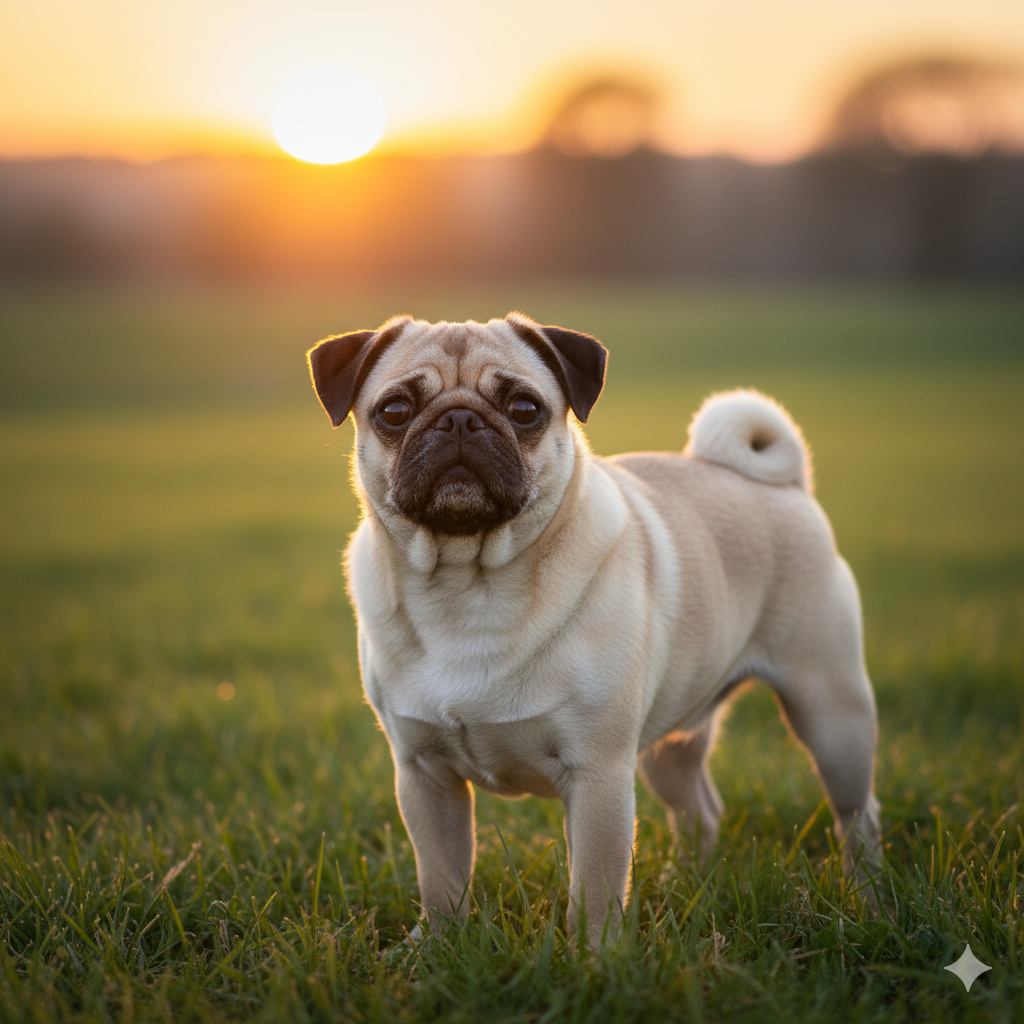
Last Saturday, my friend Sara’s Pug, Pancake, staged a dramatic protest: he parked himself in a laundry basket and refused to budge after her new rescue Beagle flopped onto the sofa. Is Pancake a diva, or is there something deeper going on? Let’s dive into the wonderfully weird world of Pug social preferences and find out whether these famous wrinkly faces actually want all the attention—or if they secretly love having a furry buddy around.
1. The Heart of a Pug: Companionship or Center-Stage?
Pugs are well-known for their unique personalities and unmistakable charm, but what truly lies at the heart of a Pug’s social world? Are they happiest as the adored solo star, or do they crave the company of other dogs? Understanding Pug social behavior is essential for anyone considering sharing their life with this delightful breed.
The Famous ‘Shadow’ Tendency: Pugs and Human Attachment
One of the most defining Pug personality traits is their tendency to form deep, loyal bonds with their humans. This close attachment has earned them the affectionate nickname of ‘shadows’—wherever their person goes, the Pug is sure to follow. This behavior is more than just endearing; it’s a core part of their breed identity. The Pug’s Latin motto, multum in parvo (“a lot in a little”), perfectly describes their big-hearted devotion packed into a small, wrinkly package.
Constant Companionship: Many Pugs are happiest when they are by their owner’s side, whether lounging on the couch or following from room to room.
Emotional Sensitivity: Their strong bond means they often pick up on their owner’s moods and routines, further cementing their role as loyal companions.
Solo Stars: The Only-Dog Pug
Some Pugs thrive as the center of attention, relishing their role as the family’s ‘only child.’ These Pugs often display behaviors that suggest they prefer not to share their humans with other pets. For them, being the sole focus of affection and playtime is ideal. Owners sometimes notice signs of jealousy or possessiveness, especially when a new dog enters the home.
Jealousy and Possessiveness: It’s not uncommon for a Pug to react to a new canine ‘rival’ by guarding toys, beds, or even their favorite person.
Personal Anecdote: One Pug, upon meeting a new puppy in the household, promptly gathered all his toys and piled them in his bed as if to claim his territory and attention.
Social Butterflies: Pugs and Canine Companions
On the other end of the spectrum, some Pugs are true social butterflies. These dogs enjoy playdates, walks with other pups, and even sharing their home with a fellow canine. Their Pug companionship needs may extend beyond humans to include doggy friends, showing a playful and adaptable side to their personality.
Welcoming Attitude: Some Pugs greet new dogs with curiosity and warmth, quickly adapting to shared spaces and routines.
Personal Anecdote: Another Pug, when introduced to a new puppy, eagerly cuddled up to the newcomer, forming an instant bond and demonstrating the breed’s capacity for canine friendship.
Loneliness and Behavioral Challenges
Regardless of whether a Pug prefers to be the only dog or enjoys the company of others, one thing is clear: human companionship is critical. Pugs are prone to loneliness if left alone for extended periods. This can lead to behavioral issues such as excessive barking, destructive chewing, or even depression. Their need for social interaction—whether with humans or other dogs—should not be underestimated.
Signs of Loneliness: Watch for changes in appetite, energy, or behavior if a Pug is left alone too long.
Attention-Seeking: Some Pugs may become more vocal or clingy when they feel neglected or displaced by a new pet.
Individual Differences: Observing Your Pug
As animal behaviorist Patricia McConnell wisely notes:
"Dogs are individuals—some thrive on doggy pals, others just want their person."
The best way to understand a Pug’s social preferences is through careful observation. Some Pugs will clearly indicate a preference for solo stardom, while others will blossom with a canine companion. Their Pug social behavior is as varied as their personalities, and respecting these differences is key to a happy, well-adjusted pet.
Monitor reactions to new pets or visitors.
Provide opportunities for both one-on-one time and socialization.
Adjust routines based on your Pug’s comfort and happiness.
2. Pug Temperament in a Pack: Making Friends or Minding Their Business?
When it comes to Pug temperament in a multi-dog household, the answer is rarely black and white. Pugs are often described as even-tempered, playful, and affectionate companions. But do these small, sturdy dogs truly crave the company of other canines, or are they content to mind their own business? The reality is that Pug temperament with other dogs is shaped by a blend of genetics, early experiences, and individual quirks.
Pug Personality and Temperament: The Basics
Pugs, averaging 14-18 pounds and standing 10-13 inches tall, are known for their gentle and loving nature. Their playful disposition makes them popular family pets, especially in homes with children. Most Pugs are not aggressive and have a low tendency to bark, which can make group living more peaceful. However, the key to a harmonious pack often lies in how the Pug was socialized as a puppy.
Dr. Sophia Yin: "Socialization is the single most important tool for any breed's happiness in a multi-dog home."
Early exposure to other dogs, people, and environments helps shape a Pug’s comfort level with canine companions. Well-socialized Pugs are more likely to enjoy the company of other dogs, engaging in play and forming close bonds. On the other hand, Pugs who missed out on early socialization may be more reserved, preferring to keep to themselves or stick close to their human family.
Pugs and Dog Companionship: Social Butterflies or Solo Artists?
Many Pugs thrive in the company of other dogs. Their playful, clownish personalities often shine brightest when they have a buddy to romp with. Owners frequently report that their Pugs enjoy group activities, from tug-of-war to synchronized napping. In fact, some Pugs seem to relish being part of a “pack,” whether that means other Pugs, different breeds, or even cats.
Playful and Adaptable: Pugs are generally easy-going and adapt well to new friends, especially when introductions are handled with patience.
Mentor Tendencies: A surprising twist in Pug personality and temperament is their tendency to “mentor” younger or shy dogs. Some Pugs take on a quirky ‘big sibling’ role, guiding new pack members and helping them settle in.
Low Barking, Low Drama: Pugs are not known for being noisy, which can reduce tension in a multi-dog home.
Despite these positive traits, not all Pugs fit the social stereotype. There are plenty of “loner” Pugs who prefer uninterrupted naps over playtime with other dogs. These Pugs may be less interested in canine companionship and more focused on their favorite spot on the couch. This variation highlights the importance of recognizing each Pug as an individual.
When Pugs Prefer Feline Friends (or Just Themselves!)
Every so often, a Pug will surprise their owner with unique social preferences. One Pug owner shared that her dog consistently chose the company of the family cat over the other dogs in the house. Whether curled up together or sharing sunbeams, this Pug seemed to find a kindred spirit in her feline housemate. Such anecdotes remind us that Pug temperament with other dogs is not always predictable.
Socialization and the Role of Proper Introductions
The foundation for a sociable Pug is laid in puppyhood. Positive experiences with other dogs, people, and environments help build confidence and reduce the risk of territorial or anxious behavior. When bringing a new dog into a home with a resident Pug, slow and supervised introductions are crucial. This approach allows both dogs to adjust at their own pace and helps prevent misunderstandings.
Start with short, neutral meetings on leash.
Watch for body language cues—relaxed tails and playful bows are good signs.
Reward calm, friendly behavior with treats and praise.
Ultimately, while many Pugs enjoy the company of other dogs, there is no one-size-fits-all answer. The Pug temperament is a delightful mix of playfulness, loyalty, and occasional independence. Whether making friends or minding their own business, each Pug brings their own unique spark to the pack.
3. Pug Care and Socialization: Setting Up Your Pug for Success (Solo or Social)
Pug care and socialization are at the heart of happy Pug ownership. Whether your Pug is destined to be the star of a one-dog show or share the spotlight with furry friends, setting them up for social success starts with understanding their unique needs and personality. Every Pug is different—some thrive as the only dog, while others enjoy the company of a canine companion. The key is to approach socialization with patience, structure, and a keen eye on your Pug’s health and comfort.
Regular Playtime and Training: The Foundation of Healthy Social Development
Pugs are naturally affectionate and playful, but like all dogs, they benefit from regular playtime and positive training. These daily routines not only keep your Pug physically fit but also help them develop confidence and social skills. Training sessions, especially those using positive reinforcement, encourage your Pug to interact calmly and politely with people and other dogs. As Cesar Millan wisely notes,
"Introducing dogs is an art—and sometimes it takes more than just a friendly sniff."
This is especially true for Pugs, who may need extra encouragement to feel comfortable in new social situations.
Structured Introductions: Slow and Steady Wins the Race
If you’re considering adding another dog to your household, structured introductions are essential. Pugs can be sensitive to change, and a sudden new arrival may trigger stress or jealousy. Start by allowing your Pug to observe the new dog from a distance, gradually decreasing the space between them over several days. Keep initial meetings short and positive, rewarding both dogs for calm behavior. This slow approach helps prevent negative associations and sets the stage for a harmonious relationship. Remember, routine and patience yield the best social results—rushing the process can lead to setbacks.
Monitoring Health: Matching Energy Levels and Companions
Pug health concerns play a significant role in their social preferences. Due to their short noses and compact bodies, Pugs are prone to breathing issues and may not tolerate high-energy playmates. When choosing a companion for your Pug, consider dogs with similar activity levels and temperaments. A calm, gentle friend is often a better match than a boisterous puppy. Regular vet check-ups and careful monitoring during play ensure your Pug stays healthy and happy. Additionally, since Pugs are prone to obesity, it’s important to monitor treats during training and keep play sessions active but not exhausting.
Early Exposure: Preventing Shyness and Reactivity
Early and varied socialization is one of the best Pug ownership tips for preventing shyness or reactivity. Exposing your Pug to different people, environments, and other animals from a young age helps them adapt to new experiences with confidence. Visits to parks, walks in busy neighborhoods, and gentle introductions to children or other pets all contribute to a well-rounded, sociable Pug. If your Pug is older or has had limited exposure, start slowly and use positive reinforcement to build their comfort level.
Watching for Stress or Jealousy: Addressing Issues Early
Even with the best intentions, some Pugs may show signs of stress or jealousy when faced with new social situations. Watch for changes in behavior, such as withdrawal, excessive barking, or guarding toys and people. Address these signs early with gentle redirection, extra attention, and, if needed, professional guidance. Early intervention helps prevent long-term issues and ensures your Pug feels secure, whether solo or social.
Wild Card: If Your Pug Could Swipe Right or Left…
Imagine if your Pug could swipe right or left to pick their favorite dog friend—how different would your pack look? This playful thought highlights the importance of personality matching in multi-dog households. Just as people have preferences, so do Pugs. Some may crave the limelight as the only pet, while others relish a partner in play. By respecting your Pug’s individual needs and providing thoughtful care and socialization, you set the stage for a happy, healthy life—no matter how many paws are in your pack.
In conclusion, successful Pug care and socialization require a blend of routine, patience, and attention to health. Whether your Pug is a solo star or enjoys a supporting cast, the right approach ensures they shine in their own unique way.
TL;DR: Pugs are adaptable: some love solo time in the spotlight, others adore doggy company. Careful socialization, play, and understanding their personality will help your Pug thrive, whether alone or with a pack.
Disclaimer: The author(s) of this blog are not veterinarians and assume no responsibility for the use or misuse of the information provided. Reliance on any information from this site is solely at your own risk. This blog may contain affiliate links, meaning we may earn a commission if you purchase products through these links. These commissions help support the site but do not influence our recommendations — we only suggest products we believe may benefit your pet's wellness.
Disclaimer: The content provided on Natural Dog Wellness Hub is for informational and educational purposes only. It is not intended as a substitute for professional veterinary advice, diagnosis, or treatment. Always seek the guidance of a licensed veterinarian or qualified pet health provider with any questions you may have regarding your dog's health, medical condition, or treatment options.
Comments
Post a Comment