Dogs need regular walks, not just as a treat but as a must. Without them, dogs can get restless and destructive. A lack of exercise is a significant contributor to canine obesity , which can cause serious health problems. Not taking dogs for walks can harm their health and happiness. Regular walks provide essential mental stimulation . They help reduce stress and anxiety in dogs. Key Takeaways Regular dog walks are crucial for maintaining physical health. Skipping dog walks can lead to destructive behavior. Canine obesity is a significant risk without regular exercise. Mental stimulation through walks reduces stress and anxiety. Consistency in walking routines is key to a dog's overall well-being. The Vital Role of Regular Exercise for Dogs Regular exercise is key for a dog's health and happiness. Dogs, no matter their breed or size, need daily activity. Dr. Karen Becker, a renowned veterinarian, once said , "Exercise is essential for dogs to maintain a healthy weight, i...
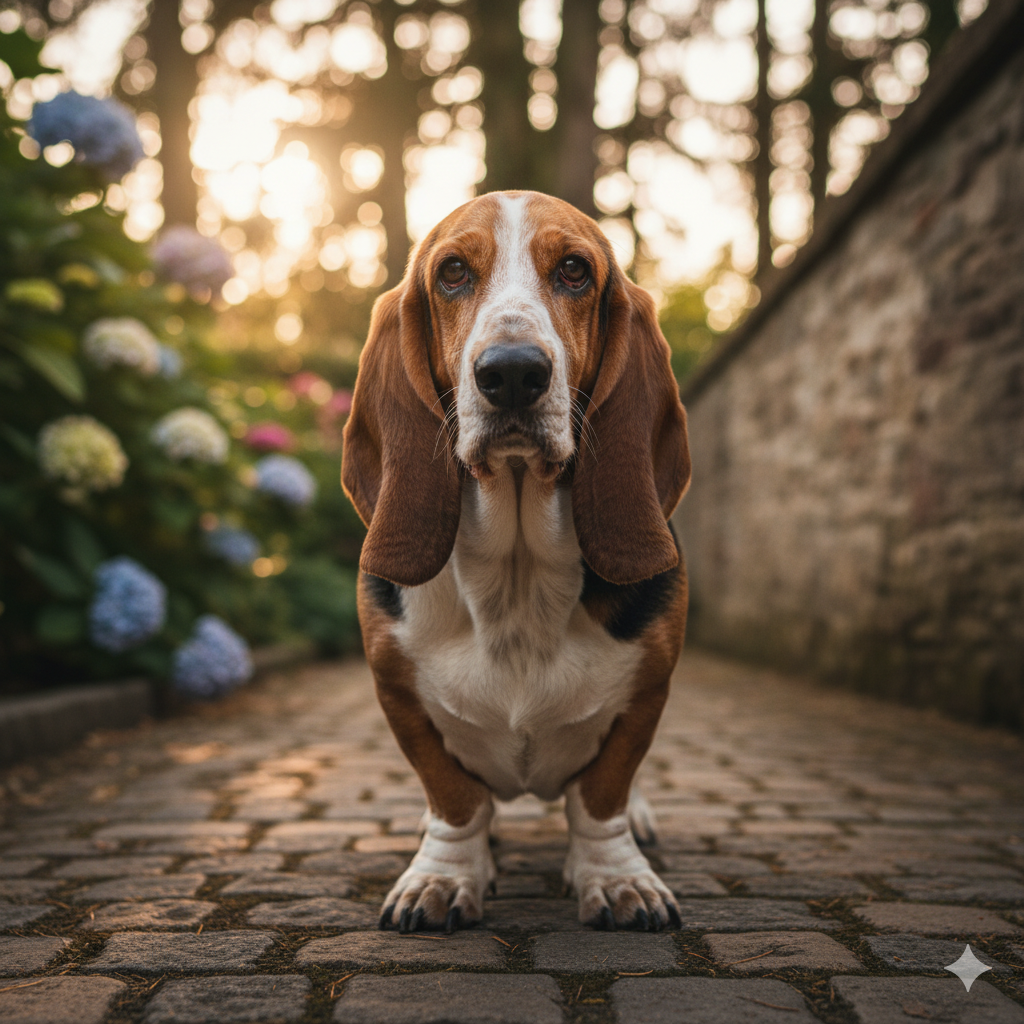
Growing up, I thought dogs were happiest romping through fields all day, mud on their paws, noses snuffling in the breeze. But after spending a summer taking care of my aunt’s Basset Hound, Daisy, my perspective took an unexpected turn. These droopy-eared, soulful-eyed pups seem like they’d love life outside, but the reality is a bit more complicated. Can a Basset Hound really thrive as an outdoor dog? Let’s sniff out the truth behind their outdoor living potential.
1. The Basset Hound’s Outdoor Appeal: Why People Assume They’re Nature Lovers
The Basset Hound is instantly recognizable: a low-slung, long-eared hound with soulful eyes and a nose that seems to guide every step. Their iconic appearance and storied history as hunting dogs have led many to believe that Basset Hounds are natural outdoor enthusiasts, perfectly suited for outdoor living. But how accurate is this assumption?
Hunting Origins and the Scent Instinct
Basset Hounds were originally bred in France for tracking small game, such as rabbits and hares. Their powerful sense of smell—second only to the Bloodhound—made them invaluable to hunters. This strong scent instinct is still present in today’s Basset Hounds, who love nothing more than following an interesting trail. It’s easy to see why people associate Basset Hounds with outdoor adventures and imagine them thriving in large, open spaces.
Stories and Stereotypes: The Energetic Outdoor Basset
Media portrayals and anecdotes often show Basset Hounds leading energetic pursuits in parks or countryside settings. These stories reinforce the stereotype that Basset Hounds are happiest when living outdoors, constantly exploring and sniffing. However, the reality is more nuanced. While Basset Hounds do enjoy outdoor activities, their energy levels are moderate, and they are not as tireless as some other breeds.
Moderate Space Needs: The Real Basset Hound Outdoor Living Requirement
Many prospective owners believe that a large yard is the key to canine happiness, especially for a breed with hunting roots. In truth, Basset Hounds have moderate space needs. A secure yard is beneficial, providing a safe environment for scent exploration and daily exercise. However, simply having access to outdoor space does not guarantee a fulfilled or content Basset Hound.
Moderate exercise: Basset Hounds enjoy daily walks and sniffing sessions but do not require extensive running or vigorous play.
Mental stimulation: Their keen noses need regular challenges, such as scent games or new trails to explore.
Social interaction: Basset Hounds are highly social and can become lonely or anxious if left outside alone for long periods.
'Basset Hounds are happiest with regular opportunities to sniff, but not every yard is paradise for them.' – Susan Smith, Veterinary Behaviorist
Challenging the “Big Yard Equals Happiness” Myth
It’s a common misconception that a large outdoor space is all a Basset Hound needs for happiness. While a yard allows for some scent exploration and exercise, it cannot replace the need for companionship and mental engagement. Basset Hounds thrive on interaction with their families and are prone to boredom if left alone, even in the most spacious yards.
In summary, while Basset Hounds have an undeniable outdoor appeal due to their hunting heritage and love for sniffing, their actual needs are more complex. Moderate outdoor space is beneficial for a Basset Hound’s well-being, but it doesn’t replace dedicated social interaction and mental stimulation.
2. Climate and Comfort: The Cold, the Heat, and the Basset Body
Basset Hounds are known for their charming looks and easy-going personalities, but when it comes to outdoor living, climate and comfort must be top priorities. Understanding Basset Hound temperature tolerance is essential for anyone considering letting this breed spend extended time outside. Their short, dense coat offers some protection, but it is not enough for extreme weather conditions.
Vulnerability in Temperature Extremes
Basset Hounds can handle mild weather, but both cold and heat present serious risks. Their short fur and low body fat mean they lose heat quickly in chilly conditions. As Dr. Lee McBride, DVM, notes:
"A Basset’s low-to-the-ground build means he feels the chill and damp even faster than you might expect."
This is especially true in damp or windy environments, where the cold can seep in rapidly. On the other hand, their droopy ears and heavy bodies make it difficult for them to cool off in hot weather. Overheating is a real danger, especially without proper shade and ventilation.
Real-Life Example: Daisy’s Chilly Lesson
Consider the tale of Daisy, a stubborn Basset who loved sunbathing in the backyard. Even as autumn arrived and the temperatures dropped, Daisy insisted on staying outside. Her owner soon noticed her shivering, a clear sign that even a determined Basset can’t outlast the chill. This story highlights the breed’s limited temperature tolerance and the need for careful climate considerations.
Essential Basset Hound Housing Requirements
If a Basset Hound is to spend any time outdoors, a proper shelter is a non-negotiable requirement. The shelter must be:
Dry: Moisture leads to chills and discomfort.
Draft-free: Wind can quickly sap body heat, especially for dogs close to the ground.
Insulated: Protection from both cold and heat is necessary.
Raised off the ground: Prevents dampness and cold from seeping in.
Shaded: Essential for summer months to avoid overheating.
An insulated dog house, rather than a bare backyard or simple doghouse, is the gold standard for Basset Hound housing requirements. This setup helps maintain a stable temperature and shields the dog from harsh elements.
Climate Considerations for Outdoor Bassets
Outdoor living for Basset Hounds must always include climate consideration. Their unique body shape and coat make them more sensitive to temperature changes than many other breeds. Owners should monitor weather conditions closely and bring their Basset indoors during temperature extremes—both hot and cold.
Ultimately, while Basset Hounds may enjoy some time outside, their comfort and safety depend on thoughtful shelter and constant attention to the weather. They thrive best with access to indoor relaxation spaces and should never be left outside in harsh or unpredictable conditions.
3. Safety, Exercise, and That Unstoppable Nose: The Realities of Outdoor Living
When considering if a Basset Hound can live outside, it’s important to look beyond their droopy eyes and easygoing nature. Outdoor living for this breed comes with unique challenges, especially when it comes to Basset Hound exercise needs, safety, and their legendary sense of smell. As Dr. Teresa Yu, Animal Behavior Specialist, notes:
'Despite their love for lounging, Basset Hounds actually need more active engagement than many suspect.'
Daily Exercise: More Than Just a Backyard
Many assume that a spacious yard is enough for a Basset Hound’s daily exercise. In reality, a backyard alone won’t meet their needs. Bassets require daily walks and interactive scent games to stay healthy and happy. Their bodies are built for following trails, not for running laps or entertaining themselves in a fenced area. Without regular, supervised activity, Basset Hounds can become bored, overweight, or even destructive.
Daily walks: Essential for physical and mental stimulation.
Scent games: Hide treats or toys to engage their powerful noses.
Supervised play: Prevents mischief and keeps them safe from hazards.
Outdoor Safety: Fencing, Hazards, and Escape Artists
Basset Hounds are famous for their determination once they catch a scent. Their moderate space needs are easily overshadowed by their strong scent drive, making outdoor safety a top priority. A secure, high fence is a must—Bassets can squeeze through surprisingly small gaps or dig under barriers if they catch an interesting smell.
Secure fencing: Prevents escapes and keeps wildlife out.
Check for gaps: Regularly inspect fences and gates for weaknesses.
Supervision: Never leave a Basset Hound unsupervised for long periods.
Physical Risks: Anatomy and Outdoor Hazards
The Basset Hound’s unique build—short legs and a long back—means certain outdoor features can be dangerous. Stairs, sloped yards, or elevated porches can strain their backs and joints, leading to injury. Owners should consider ramps or gentle slopes instead of steps, and block off any risky areas.
Stairs and drops: Avoid or modify to prevent back injuries.
Sloped yards: Level play areas are safer for their bodies.
Water Safety: Not Natural Swimmers
Unlike some breeds, Basset Hounds are not good swimmers. Their heavy bodies and short legs make ponds, pools, or even large puddles a serious risk. Any backyard water feature should be securely fenced or covered to prevent accidents.
Fence ponds and pools: Prevents accidental falls and drowning.
Supervise near water: Always watch your Basset Hound around water sources.
However, while Basset Hounds enjoy the outdoors, their exercise needs and safety requirements mean that simply living outside is not enough. Supervised activity, secure environments, and thoughtful modifications are essential for their well-being.
4. Health Risks & Quirks of Outdoor Life: More Than Just Muddy Ears
When considering whether a Basset Hound can live outside, it’s important to look beyond their sturdy appearance and soulful eyes. While these iconic dogs might seem well-equipped for outdoor adventures, the reality is that full-time outdoor living can introduce a host of health risks and quirky challenges that go far beyond muddy ears.
First, let’s talk about Basset Hound health risks associated with outdoor living. Despite their rugged looks, Bassets are not built for harsh weather. Their short legs and long bodies make them especially vulnerable to cold, damp conditions, which can lead to stiff joints and even arthritis over time. Prolonged exposure to the elements can also increase the risk of respiratory issues and skin infections. As Linda Page, a Basset Rescue Volunteer, wisely notes:
‘Don’t be fooled by the rugged looks—Bassets thrive on close companionship and protection from the elements.’
Another concern is their emotional well-being. Basset Hounds are pack animals at heart, craving human interaction and affection. Isolation from their family can lead to loneliness, anxiety, and even depression. Studies and rescue organizations alike have observed that Bassets forced to live outdoors often experience a reduced lifespan compared to those kept indoors with their people.
Of course, Basset Hounds are famous for their drooling tendencies. Those droopy jowls mean drool—inside or outside, you’ll need to be ready for wet surprises. Outdoor living won’t magically solve this quirk; in fact, you might find your shoes, porch, or even garden hose covered in slobber. As any Basset owner can attest, drooling is a feature, not a bug—like the time Daisy soaked a pair of shoelaces left on the patio!
Shedding is another constant. Shedding and dander persist regardless of where your Basset spends their time. Outdoor living won’t spare allergy sufferers indoors, since dander can easily hitch a ride inside on clothing or through open doors. Regular grooming is essential, whether your Basset is lounging on the couch or sniffing around the backyard.
There’s also a “wild card” factor to consider. Think of Basset Hounds as classic cars—adorable in the open air, but always in need of protection and tune-ups. Their low-slung bodies make them prone to injuries from rough terrain, and their poor swimming ability means that even a shallow pond can pose a real danger. Supervision is crucial whenever your Basset is outside, especially near water or in unfamiliar environments.
In conclusion, while Basset Hounds may enjoy a good romp in the yard, the risks of full-time outdoor living far outweigh the benefits. Their health, happiness, and longevity depend on close companionship and a safe, sheltered environment. If you’re considering a Basset Hound, remember: they’re happiest—and healthiest—when they’re part of the family, not just a fixture in the backyard.
TL;DR: Basset Hounds can spend time outdoors but are seldom suited for full-time outdoor living—consider their need for climate control, moderate space, strong scent drive, and social connection for a healthy, happy life.
Disclaimer: The author(s) of this blog are not veterinarians and assume no responsibility for the use or misuse of the information provided. Reliance on any information from this site is solely at your own risk. This blog may contain affiliate links, meaning we may earn a commission if you purchase products through these links. These commissions help support the site but do not influence our recommendations — we only suggest products we believe may benefit your pet's wellness.
Disclaimer: The content provided on Natural Dog Wellness Hub is for informational and educational purposes only. It is not intended as a substitute for professional veterinary advice, diagnosis, or treatment. Always seek the guidance of a licensed veterinarian or qualified pet health provider with any questions you may have regarding your dog's health, medical condition, or treatment options.
Comments
Post a Comment