Dogs need regular walks, not just as a treat but as a must. Without them, dogs can get restless and destructive. A lack of exercise is a significant contributor to canine obesity , which can cause serious health problems. Not taking dogs for walks can harm their health and happiness. Regular walks provide essential mental stimulation . They help reduce stress and anxiety in dogs. Key Takeaways Regular dog walks are crucial for maintaining physical health. Skipping dog walks can lead to destructive behavior. Canine obesity is a significant risk without regular exercise. Mental stimulation through walks reduces stress and anxiety. Consistency in walking routines is key to a dog's overall well-being. The Vital Role of Regular Exercise for Dogs Regular exercise is key for a dog's health and happiness. Dogs, no matter their breed or size, need daily activity. Dr. Karen Becker, a renowned veterinarian, once said , "Exercise is essential for dogs to maintain a healthy weight, i...
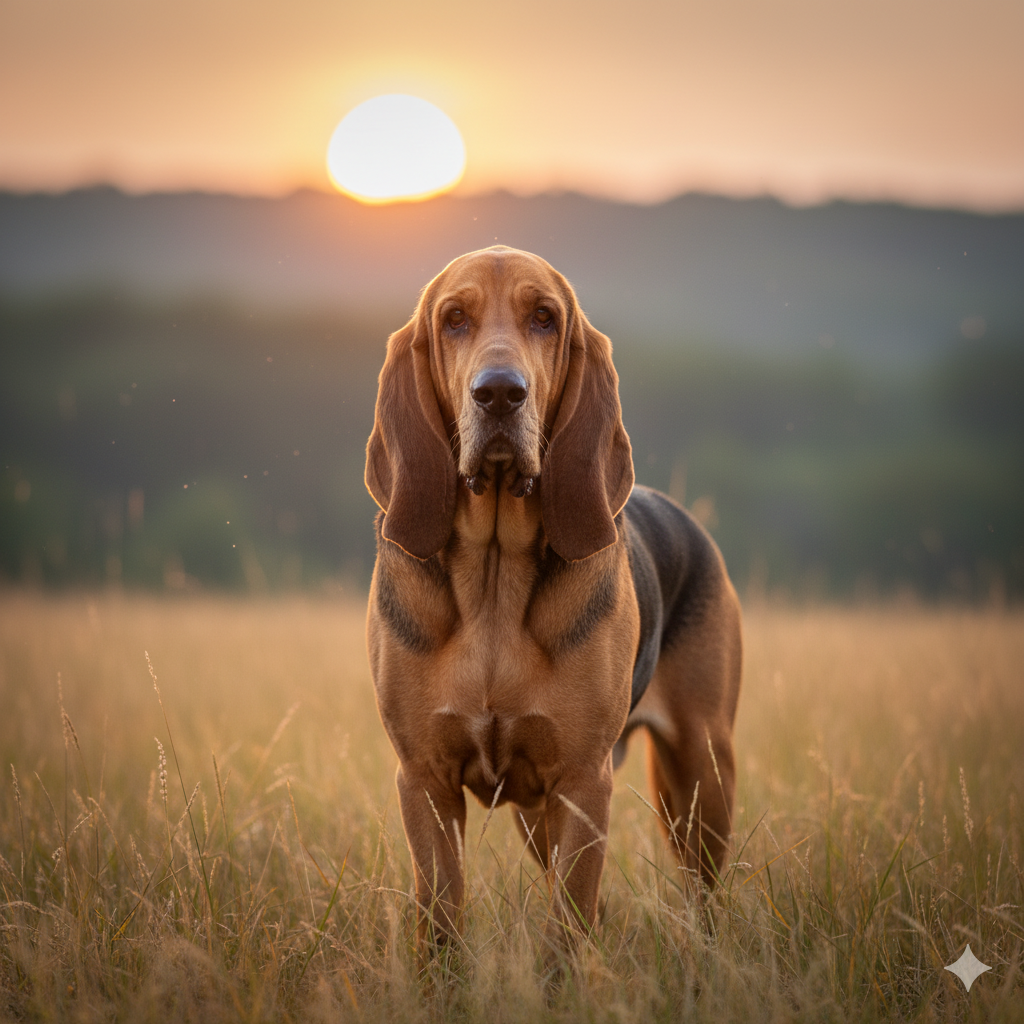
If you’ve ever been greeted by a 100-pound droopy-eared dog howling from the bottom of its soul, you know a Bloodhound is in your midst. The first time I met one named Gus, he tracked my lunch leftovers from two houses down and nudged open my door with his nose. That’s the Bloodhound in a nutshell: impressively talented, spectacularly stubborn, and surprisingly affectionate. But is their renowned scent expertise matched by family-friendly behavior? Let’s dig into the unscripted, everyday reality of keeping a Bloodhound as a pet.
Key Takeaways
Bloodhounds require substantial daily exercise—more than most breeds.
Their tracking instinct is so strong that they will escape if given the chance.
A secure, high fence is a must for safe outdoor play.
Scent games and mental challenges are essential to keep them engaged and out of trouble.
The Bloodhound Temperament: Sweet, Silly, and Sometimes Stubborn
Bloodhounds are the classic gentle giant dogs, instantly recognizable for their droopy faces, soulful eyes, and long, floppy ears. But it’s their temperament that truly sets them apart as a family pet excellent for many households. Known for being affectionate, even-tempered, and remarkably patient with children, Bloodhounds have earned a reputation as one of the most tolerant and loving breeds around.
Gentle Giants with a Heart of Gold
Weighing in at 80-110 lbs (36-50 kg), Bloodhounds may look imposing, but their personalities are anything but intimidating. These dogs are famous for their sweet, gentle nature and deep loyalty to their families. Many owners describe their Bloodhounds as “living pillows” for the kids, happy to lounge around and soak up affection. Their patience with children is legendary, and they rarely react with anything but calm acceptance to the chaos of family life.
'A Bloodhound’s patience with children is legendary – just don’t expect them to fetch your slippers.' – Sarah Green, professional dog trainer
This affectionate, even-tempered nature makes them a top choice for families seeking a dog that will bond closely with everyone in the household. Bloodhounds thrive on companionship and are happiest when surrounded by their loved ones.
Loyal Family Bonds and Tolerance with Children
Bloodhounds form exceptionally strong family bonds. Their loyalty is unwavering, and they are known to follow their favorite people from room to room, always wanting to be part of the action. When it comes to children, their tolerance is almost unmatched. Bloodhounds will patiently endure being used as a pillow, a reading buddy, or even a gentle climbing frame. Their size and strength are balanced by their gentle approach, making them a family pet excellent for homes with kids of all ages.
Patient with children: Bloodhounds rarely snap or growl, even when play gets a bit rough.
Affectionate even-tempered: They love cuddles and are quick to forgive minor annoyances.
Loyal family bonds: Expect your Bloodhound to be a constant companion, always nearby.
Independent and Stubborn: The Scent Detective’s Dilemma
While their loving nature is a huge plus, Bloodhounds are also famous for their independent stubborn nature. This trait is rooted in their history as scent hounds. When a Bloodhound picks up an interesting smell, their focus becomes laser-sharp, and it can be nearly impossible to redirect their attention. This stubborn streak can make training a challenge, especially for first-time dog owners.
Their independence doesn’t mean they don’t love their families—it simply means that their noses often take the lead. Bloodhounds require firm but patient handling and positive reinforcement to learn household rules. Consistency is key, and owners should be prepared for a dog that sometimes seems to have selective hearing, especially outdoors.
Independent stubborn nature: Bloodhounds will follow their noses, even if it means ignoring commands.
Training challenges: Patience and persistence are essential for success.
Vocal Baying, Howling, and the Soundtrack of a Bloodhound Home
If you’re considering a Bloodhound, be ready for a vocal companion. Bloodhound characteristics include a tendency to bay, howl, and bark—often loudly and with little warning. Their deep, melodious voices are part of their charm, but they can surprise those expecting a quiet household. This vocalization is a natural part of the breed, used historically to alert handlers when a scent trail was found.
Vocal baying howling: Expect regular “conversations” and deep, resonant calls.
Not natural watchdogs: Despite their size and sound, Bloodhounds are usually friendly to strangers and lack strong guarding instincts.
Quirky, Loving, and Unmistakably Unique
Bloodhounds are gentle giant dogs with a quirky, lovable personality. Their affectionate, even-tempered nature, patience with children, and strong family bonds make them an excellent family pet for the right home. However, their independent, stubborn nature and tendency toward vocal baying and howling make them best suited for owners who appreciate their unique blend of sweetness and silliness.
Exercise, Play, and That Legendary Nose
Bloodhounds are not your average couch companions. These quirky, gentle giants have exercise requirements daily that far exceed a simple walk around the block. Their boundless energy and tracking instinct strong mean that owners must be prepared to meet both their physical and mental needs—every single day.
Why a Stroll Isn’t Enough: Meeting Bloodhound Exercise Needs
For Bloodhounds, a leisurely stroll is only satisfying if it includes ample opportunities to sniff and explore. This breed requires at least 60 to 90 minutes of daily physical activity to stay healthy and happy. Without enough exercise, Bloodhounds can become bored, restless, and even destructive. Their size and stamina are built for working dogs hunting and search rescue work, so a quick walk simply won’t cut it.
Structured walks with time for sniffing
Hiking or long nature trails
Interactive play in a secure yard
Remember, a tired Bloodhound is a well-behaved Bloodhound. Skipping daily exercise can lead to mischief—sometimes of epic proportions.
The Legendary Nose: Scent Tracking Ability and Instinct
Bloodhounds are world-famous for their scent tracking ability. Their noses contain more scent receptors than almost any other breed, making them the gold standard for search rescue work and working dogs hunting. This legendary nose is both a blessing and a challenge for pet owners.
When a Bloodhound catches a scent, their tracking instinct strong can override all training and recall. They will dig, jump, or squeeze through the smallest gap in pursuit of an interesting odor. As one owner, Mark Robinson, humorously puts it:
"You haven’t experienced true exasperation until your Bloodhound unearths your neighbor’s barbecue tongs."
Escape Artist Dogs: The Importance of a Fenced Yard Secure
Bloodhounds are notorious escape artist dogs. Their urge to follow a trail is so powerful that they can become single-minded, ignoring commands and even risking injury. For this reason, a fenced yard secure is not optional—it’s essential.
Sturdy fencing at least 6 feet tall is recommended
Check for gaps or weak spots regularly
Supervise outdoor play to prevent digging or climbing escapes
Without proper containment, Bloodhounds can vanish in seconds, noses glued to the ground and minds set on the chase. Their escape skills are legendary, so never underestimate their determination.
Creative Play: Scent Games and Mental Stimulation
Physical exercise alone isn’t enough for Bloodhounds. Their brains crave challenges, especially those that involve their sense of smell. Scent games and puzzles are excellent ways to channel their tracking drive productively and prevent boredom.
Hide treats around the yard or house for them to find
Use scent-based puzzle toys
Try beginner nosework or tracking classes
These activities tap into their natural abilities and provide much-needed mental stimulation. They also help curb unwanted behaviors that can arise from boredom or frustration.
Bloodhounds and Search & Rescue: Working Dogs at Heart
Many Bloodhounds thrive when given a job. Their scent tracking ability makes them ideal for search rescue work and similar activities. Even if you’re not interested in professional training, you can simulate search tasks at home to satisfy their instincts.
Practice simple scent trails in your yard
Teach them to find specific objects or people
Join local scentwork or tracking groups
Providing outlets for their natural talents not only keeps them happy but also strengthens your bond with your Bloodhound.
Training, Grooming, and Daily Realities: The Good, The Bad, and The Drooly
Living with a Bloodhound is an adventure in patience, humor, and a little bit of mess. These gentle giants are known for their loving nature, but their independent streak and quirky habits mean that training and daily care are not for the faint of heart. Understanding the realities of Bloodhound training, grooming requirements, and their unique adolescent phase is essential for anyone considering this breed as a companion.
Bloodhound Training: Early Socialization and the Stubborn Streak
Bloodhounds are famously intelligent, but that intelligence comes with a stubborn, independent nature. As Laura Knight, a respected dog behaviorist, puts it:
'Training a Bloodhound is like negotiating with a very clever toddler – patience is essential.'
Early training and socialization are absolutely crucial. Bloodhounds respond best to positive reinforcement training, where treats, praise, and play are used as rewards. Harsh corrections or repetitive drills simply don’t work with this breed; in fact, they may dig in their heels and refuse to cooperate. Obedience training can be a challenge, so consistency and creativity are key. Start as early as possible—puppy classes and regular exposure to different people, pets, and places help shape a manageable, confident adult dog.
Adolescence Maturity Period: Chewing and Food Aggression Issues
Bloodhounds are slow to mature, with adolescence beginning around one year and full maturity not reached until two years or older. This extended adolescence is often marked by destructive chewing—owners report losing everything from shoes to remote controls. Supervision and plenty of appropriate chew toys are a must during this phase. Another quirk to watch for is food aggression, especially around other dogs. Bloodhounds may guard their meals, so it’s wise to supervise feeding times and consider separate feeding areas if you have a multi-dog household. Early training can help curb these tendencies, but vigilance is always recommended.
Positive Reinforcement Training: The Only Way Forward
Bloodhounds thrive on positive reinforcement training. Their sensitive nature means they respond poorly to harsh discipline, but they are motivated by food and affection. Short, engaging training sessions work best, and patience is your greatest tool. Remember, these dogs are bred to follow their noses, so distractions are everywhere. Training a reliable recall and basic obedience commands takes time, but it’s well worth the effort for a safer, happier companion.
Grooming Requirements: The Droopy Ears and the Drooly Reality
When it comes to grooming, Bloodhounds are a study in contrasts. Their short, dense coat is low-maintenance, requiring only weekly brushing to manage average shedding. However, their signature droopy ears and wrinkled skin demand much more attention. Those long, velvety ears are prone to trapping dirt and moisture, making them a hotspot for infections. Regular ear cleaning—at least once a week, and often more frequently—is non-negotiable. Owners should also wipe down facial wrinkles to prevent irritation and keep the skin healthy.
And then there’s the drool. Bloodhounds are legendary for their slobber, especially after eating or drinking. Be prepared to keep towels handy and accept that drool on furniture, floors, and even your clothes is part of daily life. It’s all part of the Bloodhound charm, but it’s not for everyone.
Daily Life: The Good, The Bad, and The Drooly
Owning a Bloodhound means embracing their quirks and meeting their unique needs. With early training and socialization, these dogs become loyal, gentle companions. Their grooming requirements are modest, except for the high-maintenance ear care and constant drool patrol. Adolescence can be a wild ride of chewing and food guarding, but with supervision and positive reinforcement, most issues can be managed. Bloodhounds are not the easiest breed, but for those willing to invest time and patience, the rewards are immense—a loving, goofy, and unforgettable member of the family.
In conclusion, Bloodhounds bring a special blend of challenge and joy to any home. Their stubborn intelligence, droopy features, and affectionate nature make them truly one-of-a-kind. If you’re ready for the good, the bad, and the drooly, a Bloodhound might just be the perfect quirky, gentle giant for you.
TL;DR: Bloodhounds are affectionate, clever, and hilarious, but they require special handling due to their tracking drive, stubbornness, and exercise needs – they're gentle giants best suited to patient, active homes.
Disclaimer: The author(s) of this blog are not veterinarians and assume no responsibility for the use or misuse of the information provided. Reliance on any information from this site is solely at your own risk. This blog may contain affiliate links, meaning we may earn a commission if you purchase products through these links. These commissions help support the site but do not influence our recommendations — we only suggest products we believe may benefit your pet's wellness.
Disclaimer: The content provided on Natural Dog Wellness Hub is for informational and educational purposes only. It is not intended as a substitute for professional veterinary advice, diagnosis, or treatment. Always seek the guidance of a licensed veterinarian or qualified pet health provider with any questions you may have regarding your dog's health, medical condition, or treatment options.
Comments
Post a Comment