Dogs need regular walks, not just as a treat but as a must. Without them, dogs can get restless and destructive. A lack of exercise is a significant contributor to canine obesity , which can cause serious health problems. Not taking dogs for walks can harm their health and happiness. Regular walks provide essential mental stimulation . They help reduce stress and anxiety in dogs. Key Takeaways Regular dog walks are crucial for maintaining physical health. Skipping dog walks can lead to destructive behavior. Canine obesity is a significant risk without regular exercise. Mental stimulation through walks reduces stress and anxiety. Consistency in walking routines is key to a dog's overall well-being. The Vital Role of Regular Exercise for Dogs Regular exercise is key for a dog's health and happiness. Dogs, no matter their breed or size, need daily activity. Dr. Karen Becker, a renowned veterinarian, once said , "Exercise is essential for dogs to maintain a healthy weight, i...
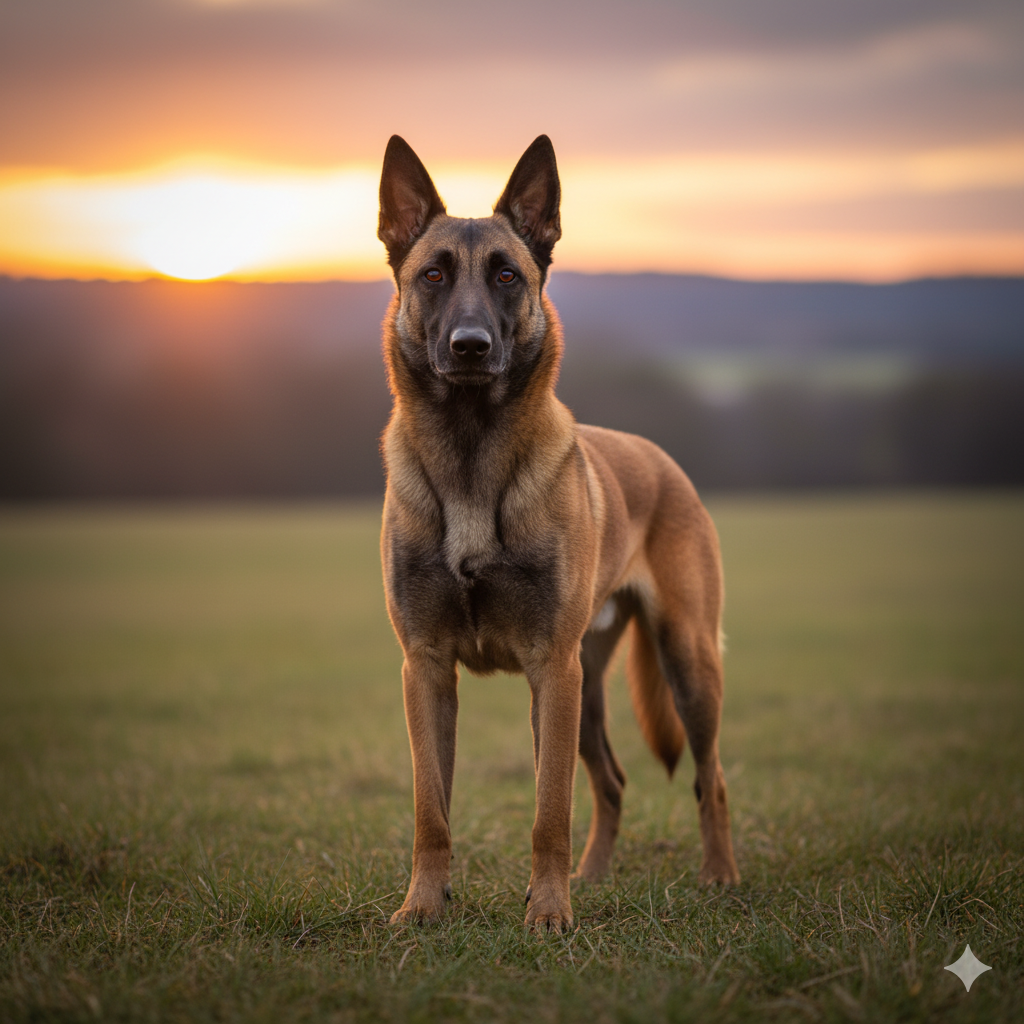
The first time you see a Belgian Malinois leap a six-foot fence just for fun, you might start to question whether 'pet' is a big enough word for this breed. A friend of mine, an ex-military handler, once joked that living with a Malinois is like having a security system with fur—but one that regularly reprograms itself for higher sensitivity. Are these famously intense dogs dreamy family companions or a hurricane with four paws? Let’s step beyond the highlight reels and myth-busting stories to discover what it’s actually like to share your life—and maybe your couch—with a Malinois.
A Genius Wrapped in Fur: Dissecting Belgian Malinois Temperament
The Belgian Malinois temperament is a fascinating blend of intelligence, loyalty, and intensity. This herding dog breed is not just smart—they are problem-solvers with a work ethic that never quits. If you’re considering a Belgian Malinois dog, understanding their unique personality is essential. They are not your average pet; they are a high-energy genius wrapped in fur, bred for action and purpose.
Obsessive Bonding: The Loyal Shadow
Belgian Malinois dogs are famous for forming deep, almost obsessive bonds with their chosen humans. Owners often describe them as “stage 5 clingers”—dogs that want to be involved in every aspect of your life. This breed thrives on companionship and will follow their person from room to room, always alert and ready to respond. Their loyalty is unmatched, and they are happiest when working closely with their family. This tight bond means they are not well-suited for people who are away from home for long periods or who want a more independent pet.
Intelligent, Loyal, Protective: The Triple Threat
The Malinois is one of the most intelligent, loyal, and protective breeds in the world. Their intelligence is legendary—these dogs learn new commands quickly and can solve problems that would stump many other breeds. As K9 Handler Sarah Riley puts it:
‘A Malinois figures out how to open the fridge by lunchtime if you leave them bored.’
This cleverness, paired with their loyalty, creates a dog that is always looking for ways to help or protect their family. Their strong protective instincts make them natural guardians, always on the lookout for anything unusual. They are territorial and will not hesitate to alert their owners to strangers or potential threats.
Hardwired to Herd and Protect
Originally bred as a herding dog breed, the Belgian Malinois has a natural drive to organize and control movement. Don’t be surprised if your Malinois tries to “herd” children, other pets, or even adults at the park. This behavior is not aggression—it’s instinct. They are simply doing what they were bred to do. Their protective nature also means they are quick to react if they sense their family is in danger, making them excellent watchdogs.
Multitasking Masters: Beyond Herding
Boredom is the enemy of the Malinois. These dogs need a job—preferably several. Their intelligence and energy make them ideal for multitasking roles. You’ll find Malinois excelling in:
Police and military work
Search and rescue missions
Obedience and agility competitions
Therapy and service dog roles
It’s not uncommon for a single Malinois to participate in multiple activities in the same week. Their drive to work and please is nearly limitless, but it also means they need experienced owners who understand how to channel this energy productively.
Intensity and Focus: Not for the Faint of Heart
Part of the four Belgian Shepherd breeds, the Malinois is often mistaken for the German Shepherd. However, Malinois are generally more focused, intense, and driven. They are always “on,” scanning their environment and ready to spring into action. This intensity can be overwhelming for first-time dog owners or those unfamiliar with working breeds. Malinois require consistent training, mental stimulation, and physical exercise to stay happy and balanced.
Physical Stats: Built for Speed and Agility
Gender | Height | Weight |
|---|---|---|
Male | 24-26 inches | 55-75 lbs |
Female | 22-24 inches | 40-60 lbs |
Their athletic build supports their energetic lifestyle. Malinois are lean, muscular, and built for speed and agility, making them stand out in any active role.
Too Clever for Their Own Good
With great intelligence comes great mischief. If left unstimulated, Malinois will invent their own entertainment—sometimes at the expense of your furniture or sanity. Their ability to learn and adapt is both a blessing and a challenge. Owners must be proactive in providing structure, training, and outlets for their dog’s energy and intellect.
However, the Belgian Malinois temperament is a powerful combination of brains, loyalty, and drive. They are best suited for owners who appreciate their intensity and can meet their mental and physical needs.
Exercise and Training: The Boundary Between Genius and Mayhem
When it comes to Belgian Malinois dogs, the line between brilliance and chaos is razor-thin—and it’s drawn with sweat, tennis balls, and a lot of patience. This breed’s high energy level and working drive are legendary. For the unprepared, it can feel like living with a furry tornado that’s just as likely to solve a puzzle as it is to create one. Understanding their exercise needs and the importance of exercise and training is the first step to a peaceful coexistence.
Daily Workouts: Non-Negotiable for Sanity
A quick stroll around the block won’t cut it. Belgian Malinois dogs require more than 40 minutes of vigorous exercise every single day—often much more. This isn’t just about physical movement; it’s about challenging their minds as well. Fetch? That’s just the warm-up. These dogs thrive on activities that make them think and move at the same time.
Agility courses and obedience drills keep their bodies and brains busy.
Tracking, herding, and scent work tap into their natural instincts.
Mental puzzles and interactive toys are essential for staving off boredom.
Without these outlets, a Malinois will invent their own entertainment. As trainer Lisa Novak puts it:
“In my house, if my Malinois is quiet, I worry—he’s probably redecorating.”
This “redecorating” often means chewed-up door frames, shredded pillows, and ‘custom’ couch art. High rates of destructive behavior problems are reported in under-exercised Malinois, making daily workouts a matter of necessity, not luxury.
Mental and Physical Engagement: The Working Problem-Solver
The Malinois is not just a high-energy dog—they are a working problem-solver. If left idle, they will find jobs for themselves, and these are rarely what their owners have in mind. Some Malinois have been known to outsmart baby gates, open doors, or even figure out how to escape fenced yards. Their intelligence is a double-edged sword: it makes them trainable, but also makes them prone to mischief if not given enough to do.
Jobs like agility, herding, or advanced obedience are ideal outlets.
Without structure, they may invent their own “work”—from rearranging furniture to testing your home’s security systems.
This breed literally needs a job. Ownership means relentless training and exercise: Malinois need constant engagement or they invent their own entertainment, often at your expense.
Early Socialization Training: The Blueprint for Balance
Structure and early socialization training are life-saving for both the dog and your sanity. Skipping these steps leads to chaos, not character. Early exposure to different people, places, and situations helps prevent nervous or aggressive tendencies. It also teaches the Malinois how to channel their energy and intelligence in positive ways.
Start socialization and training as soon as possible—ideally from puppyhood.
Consistent routines and clear boundaries are essential.
Positive reinforcement works best; harsh methods can backfire with such a sensitive, smart breed.
A well-socialized Malinois is confident, stable, and less likely to develop behavior problems. But this balance is only possible with early, ongoing effort. The breed’s mental and physical needs are so intense that skipping structure is a recipe for mayhem.
When Genius Turns to Mayhem
The reality is simple: Belgian Malinois dogs without jobs or outlets develop major behavioral issues. Their genius is a gift, but without the right exercise and training, it can quickly turn into a homeowner’s nightmare. For those willing to meet their needs, Malinois can be extraordinary companions. For everyone else, the “unfiltered reality” is a whirlwind of chewed furniture and creative chaos.
Unexpected Realities: Living with a Malinois (Beyond the Instagram Filter)
Scrolling through social media, it’s easy to see why Belgian Malinois dogs have become so popular. Their athletic builds, alert expressions, and impressive agility tricks make them look like the ultimate family dog. But behind the filtered photos lies a herding dog breed with needs and quirks that can surprise even seasoned dog lovers. Understanding the unfiltered reality is crucial for anyone considering bringing a Malinois into their home.
First, Belgian Malinois dogs are not your average couch companions. Bred for herding and protection, their energy levels are off the charts. This is not a breed that will be content with a daily walk and a nap. Instead, they thrive on constant activity, mental challenges, and close human interaction. For families hoping for a relaxed, low-maintenance pet, the Malinois can quickly become overwhelming. In fact, their need for companionship is so intense that leaving them alone for long periods can lead to destructive behaviors, anxiety, and even escape attempts. As the saying goes, a Malinois is not a ‘sometimes dog’—they need their people as much as their jobs.
One of the most surprising realities for new owners is the Malinois’ strong herding instincts. These dogs are hardwired to chase, circle, and nip at anything that moves—whether it’s a flock of sheep, a running child, or even the family cat. While this behavior can be amusing in the yard, it poses real challenges in a household with small children or other pets. Herding behavior nipping is often mistaken for aggression, but it’s simply the Malinois doing what it was bred to do. Still, for families with toddlers or small animals, this instinct can be risky and difficult to manage. As one owner, Mark Eldridge, humorously shared,
‘On week one, my Malinois herded the mail carrier into my garage. Most helpful, if you’re expecting packages.’
Because of these traits, Belgian Malinois dogs are best suited for experienced owners who understand the demands of a high-energy, working breed. Without proper training and regular, early socialization, Malinois can become overly shy or excessively vigilant, making them difficult to handle in everyday situations. They require clear boundaries, consistent routines, and plenty of positive outlets for their energy. For first-time dog owners or families with young children, the learning curve can be steep and, at times, overwhelming. In fact, most experts do not recommend the Malinois as a family dog unless the household is highly prepared and committed to meeting the breed’s needs.
Health is another area where the reality often differs from the Instagram highlight reel. Like many active breeds, Malinois are prone to certain genetic issues, most notably hip dysplasia and elbow dysplasia. These conditions can cause pain, mobility problems, and expensive veterinary bills if not managed early and carefully. Allergies are also common, and their curious, energetic nature means they have a knack for eating things they shouldn’t—socks being a particular favorite. Regular vet checkups, a healthy diet, and careful supervision are essential to keep a Malinois in top shape.
It’s also worth noting that Belgian Malinois dogs are frequently confused with German Shepherds. While they share some similarities, Malinois are generally smaller, leaner, and even more energetic. This added intensity means they need more exercise, more mental stimulation, and more attention than many other breeds. If these needs aren’t met, behavioral problems can quickly develop, making life stressful for both the dog and the family.
In conclusion, the Belgian Malinois is a remarkable herding dog breed—intelligent, loyal, and endlessly energetic. But beneath the Instagram-ready exterior lies a dog that demands time, experience, and dedication. For the right owner—one who is active, knowledgeable, and ready for a challenge—the Malinois can be a wonderful companion. For others, the unexpected realities may prove too much. If you’re considering a Malinois, look beyond the filters and ask yourself if you’re truly ready for the commitment this high-energy genius requires.
TL;DR: Belgian Malinois are brilliant, intense, and loyal, but their high energy and strong instincts mean they’re only a good fit for experienced, active owners who are ready for daily commitment and structure.
Disclaimer: The author(s) of this blog are not veterinarians and assume no responsibility for the use or misuse of the information provided. Reliance on any information from this site is solely at your own risk. This blog may contain affiliate links, meaning we may earn a commission if you purchase products through these links. These commissions help support the site but do not influence our recommendations — we only suggest products we believe may benefit your pet's wellness.
Disclaimer: The content provided on Natural Dog Wellness Hub is for informational and educational purposes only. It is not intended as a substitute for professional veterinary advice, diagnosis, or treatment. Always seek the guidance of a licensed veterinarian or qualified pet health provider with any questions you may have regarding your dog's health, medical condition, or treatment options.
Comments
Post a Comment