Dogs need regular walks, not just as a treat but as a must. Without them, dogs can get restless and destructive. A lack of exercise is a significant contributor to canine obesity , which can cause serious health problems. Not taking dogs for walks can harm their health and happiness. Regular walks provide essential mental stimulation . They help reduce stress and anxiety in dogs. Key Takeaways Regular dog walks are crucial for maintaining physical health. Skipping dog walks can lead to destructive behavior. Canine obesity is a significant risk without regular exercise. Mental stimulation through walks reduces stress and anxiety. Consistency in walking routines is key to a dog's overall well-being. The Vital Role of Regular Exercise for Dogs Regular exercise is key for a dog's health and happiness. Dogs, no matter their breed or size, need daily activity. Dr. Karen Becker, a renowned veterinarian, once said , "Exercise is essential for dogs to maintain a healthy weight, i...
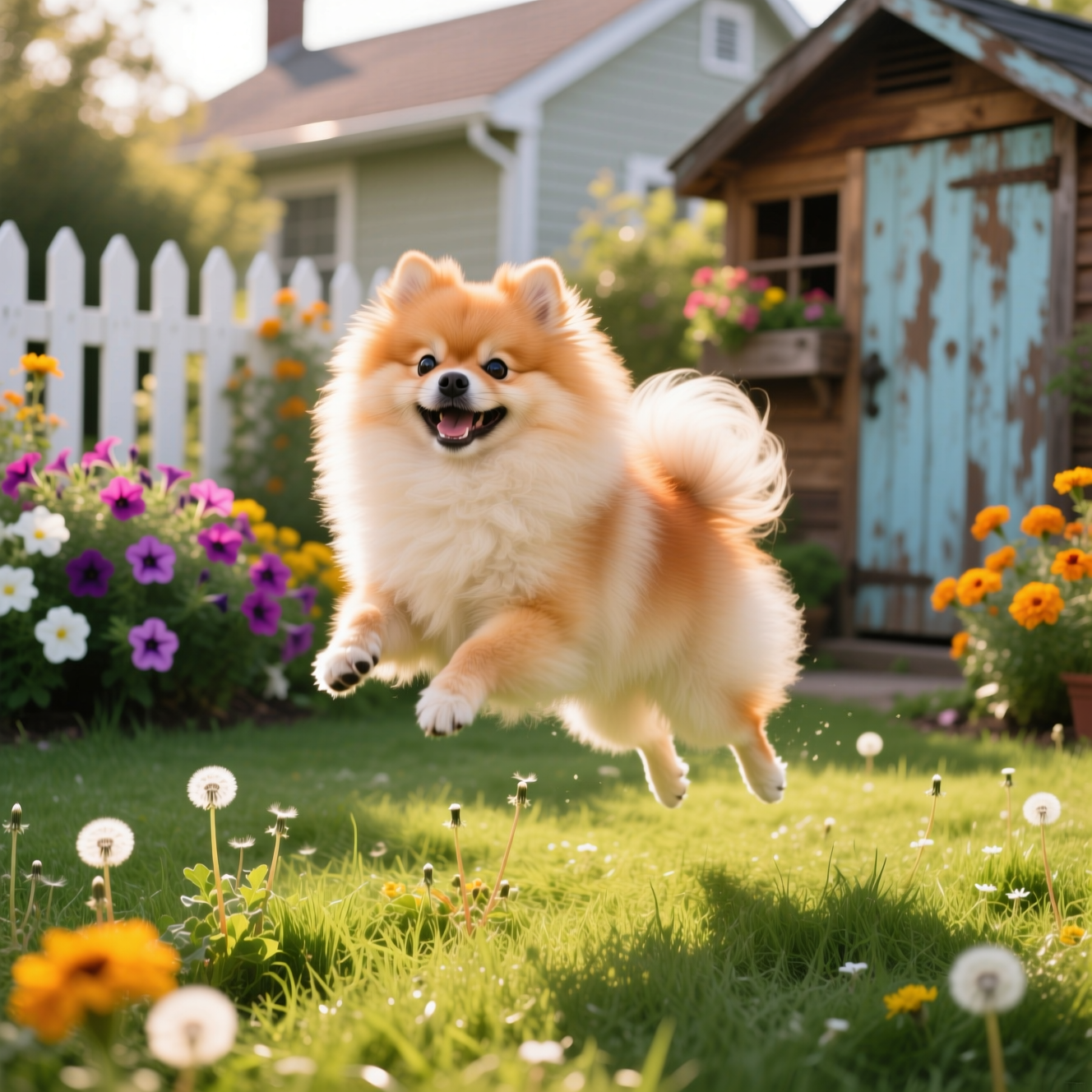
The first time I left my Pomeranian, Waffles, home alone, I set up a doggy camera expecting hours of peaceful snoozing. Instead, I watched a pint-sized tornado orchestrate a symphony of barks, tugging at my heart (and my curtains). Turns out, leaving a Pomeranian alone isn't simple. This little breed packs a big personality—and requires specific strategies to help them thrive when solo. Let’s dig into what really matters when your Pom has the house to themselves.
Tiny Dog Syndrome? Not Exactly—Understanding Pomeranian Separation Anxiety
When people notice their Pomeranian barking, chewing, or pacing when left alone, it’s easy to label it as “tiny dog syndrome” or simple naughtiness. However, these behaviors often point to something deeper: Pomeranian separation anxiety. Understanding the real signs of separation anxiety and how they differ from boredom or mischief is key to supporting your Pom’s emotional health.
What Separation Anxiety Looks Like in Pomeranians
Separation anxiety in Pomeranians can show up in many ways. Some of the most common signs of separation anxiety include:
Excessive barking or howling as soon as the owner leaves
Destructive chewing—shoes, furniture, or even electronics
Pacing or restlessness near doors or windows
Indoor accidents despite being house-trained
Scratching at doors or trying to escape
These behaviors are not just signs of a “clingy” dog. They are real indicators of stress and distress. As Dr. Jane Summers says:
"Separation anxiety isn't your dog's fault. It's a mismatch between their needs and their environment."
Common Misconceptions: Not Just ‘Extra Clingy’
Many owners mistake Pomeranian alone behavior for simple attention-seeking. But separation anxiety is not about being spoiled or needy. It is a genuine emotional response. Pomeranians are companion dogs, bred to be close to their humans. When left alone without proper training or support, their anxiety can quickly escalate.
Personal Anecdote: Luna’s 10-Minute Meltdown
One reader shared a story about her Pom, Luna. She left Luna alone for just 10 minutes to run an errand. When she returned, Luna had chewed through the TV remote—a classic example of destructive behavior triggered by separation anxiety. This shows that even short periods alone can be stressful for some Poms, especially if they haven’t been eased into alone time.
Red Flags: Early Signs to Watch For
It’s important to spot the early separation anxiety signs before they become serious problems. Watch for:
Accidents indoors, even if your Pom is usually house-trained
Destructive behaviors like chewing or scratching
Excessive howling or barking that starts soon after you leave
If your Pom shows these behaviors, it’s a sign they are not coping well with being alone. Experts recommend not leaving a Pomeranian with separation anxiety alone for more than five hours without training and support.
Wild Card: If Dogs Could Text
Imagine if your Pom could text you during the day. You might get messages like, “Where are you? I miss you!” or “I chewed the remote because I was scared.” While this is a playful thought, it highlights how much our dogs rely on us for comfort and security when they’re home alone.
How Long Is Too Long? Realistic Timeframes & Setting Home-Alone Boundaries
One of the most common questions among Pomeranian owners is: How long alone is safe for their fluffy companion? Setting realistic boundaries is crucial for your Pom’s well-being, and the answer depends on age, training, and individual temperament.
Adult Pomeranian Alone Duration Recommendations
According to experts, a healthy, well-trained adult Pomeranian can typically handle being home alone for 6-8 hours at a stretch. As the American Kennel Club notes:
"Adult Pomeranians can be comfortable alone for 6-8 hours if well trained and without anxiety disorders."
However, this is not a one-size-fits-all rule. Dogs with separation anxiety, medical needs, or destructive tendencies may require shorter periods alone. Even mature Poms benefit from having their day broken up with interaction and activity.
Puppies: Much Shorter Alone-Time Windows
Puppies have much less tolerance for solitude. A good guideline is one hour per month of age, up to four months old. For example:
2-month-old puppy: 2 hours alone max
3-month-old puppy: 3 hours alone max
4-month-old puppy: 4 hours alone max
Beyond this, puppies may struggle with bladder control and can develop anxiety or behavioral issues if left alone too long. Frequent check-ins, play sessions, and potty breaks are essential.
Break Up the Day: Dog Walker, Sitter, or Friendly Neighbor
Even if your schedule keeps you away for a standard workday, it’s important to break up the day for your Pomeranian. Options include:
Hiring a dog walker for midday walks and play
Arranging for a pet sitter to visit
Asking a neighbor or friend to drop by for cuddles and potty breaks
These visits provide much-needed companionship, help with bladder control, and prevent boredom-related behaviors.
Practical Example: Sally and Pip
Consider the routine of Sally, a Pomeranian owner who works a typical 9-5 job. She schedules a dog-walking visit every day at lunchtime for her Pom, Pip. This midday break ensures Pip isn’t alone for more than 4-5 hours at a time, keeping him happy and healthy.
Limitations: Even Mature Poms Need Support
It’s important to remember that even mature Pomeranians should not be left for a full workday without support. Long stretches alone can lead to loneliness, anxiety, and accidents. Alone-time tolerance grows with age and training, but regular human interaction remains vital.
In summary, setting home-alone boundaries means respecting your Pomeranian’s age, personality, and needs. Use the Pomeranian alone duration recommendations as a guide, and always look for ways to break up the day—whether through a dog walker, sitter, or a caring neighbor.
From Velcro Pup to Confident Canine: Practical Training & Care for Independence
Gradually Training Your Pomeranian for Alone Time
Pomeranians are known for their affectionate, “Velcro dog” nature, often wanting to be close to their owners at all times. However, training your Pomeranian to feel secure when left alone is essential for their well-being. The process should always be gradual. Begin by leaving your Pomeranian alone for just 5-10 minutes. When you return, reward calm behavior with treats or gentle praise. Slowly increase the duration as your dog becomes more comfortable. Short, positive training sessions—no longer than 5-10 minutes—are most effective, as they keep your Pomeranian engaged without overwhelming them.
Crate Training: Safe, Positive Confinement
Crate training your Pomeranian can provide a sense of security and a safe space for your dog when you’re away. It’s important to introduce the crate as a positive environment, never as a punishment. Place soft bedding, favorite toys, and a treat inside to encourage your dog to enter willingly. Gradually increase the time your Pomeranian spends in the crate while you’re home, then try short absences. This method helps your dog associate alone time with comfort and safety.
Practice Runs: Building Confidence in Small Steps
Practice runs are a practical way to help your Pomeranian adjust to being alone. Start by stepping out of the room or house for a few minutes, then return and reward calm behavior. If your dog remains quiet and relaxed, offer a treat or a favorite toy. If they bark or whine, wait for a moment of silence before giving attention. This teaches your Pomeranian that calmness, not vocalizing, brings rewards. Over time, gradually extend your absences to build their confidence.
Introducing Mental Stimulation
Mental stimulation is key to preventing boredom and anxiety during alone time. Provide puzzle toys, safe chewables, or audio recordings designed for dogs. These activities keep your Pomeranian’s mind engaged and can make your absence less stressful. Rotate toys regularly to maintain interest and challenge your dog’s problem-solving skills.
Positive Reinforcement Training: Fostering Trust and Calm
Positive reinforcement training is the most effective way to encourage independence. Always reward your Pomeranian for quiet, calm behavior, and avoid reinforcing barking or whining. Consistency is crucial—everyone in the household should follow the same approach. As animal behaviorist Karen Pryor says:
"Gradual independence training is the kindest gift we can give our dogs—and ourselves."
Socialization Needs: Supporting Independence
Meeting your Pomeranian’s socialization needs is also vital. Enroll your pup in a puppy socialization class to expose them to new people, dogs, and environments. This helps build confidence and reduces anxiety when they are left alone. Well-socialized Pomeranians are more adaptable and less likely to develop separation issues.
Start with 5-10 minute training sessions.
Use crate training as a positive, safe space.
Incorporate mental stimulation with toys and sounds.
Practice leaving for short intervals, increasing gradually.
Reward only calm, quiet behavior—never barking or whining.
Support independence with puppy socialization classes.
Wild Card: Home Alone—Through Your Pomeranian’s Eyes
Have you ever wondered what your Pomeranian thinks and feels when left alone at home? Understanding your dog’s emotional world is key to improving your approach to Pomeranian alone time and training. Let’s take a whimsical journey into a day in the life of a Pom, imagining what it might be like if they could write diary entries about their solo adventures. This playful perspective not only entertains, but also helps us connect emotionally and provide better Pomeranian care advice.
Dear Diary,
Today started with the usual: my human gave me a treat and said, “Be good, I’ll be back soon!” I watched the door close, then waited a few minutes just in case they forgot something (they never do, but hope springs eternal). Once I was sure I was alone, I did my first victory lap around the living room. The coast was clear—time to check on my hidden toys!
I found my squeaky duck under the couch. Score! I tossed it in the air, then settled in for a good chew. Suddenly, the postman arrived. I leapt to the window, barking my fiercest bark. The postman left, as always. Mission accomplished. I felt proud—my home was safe again.
After all that excitement, I needed a snack. I checked my food bowl (still full, thank goodness) and then wandered over to my favorite sunny spot for a nap. I dreamed about chasing squirrels and playing fetch in the park. When I woke up, I sniffed around the house, just to make sure everything was as it should be. I found a sock under the bed—another treasure for my collection!
Sometimes, I miss my human. The house is quiet and I wish for a cuddle. But then I remember the games we play when they come home, and I know they’ll be back. Until then, I’ll keep watch, nap, and maybe bark at a few more delivery people. It’s a big job, but someone has to do it.
By imagining a day from your Pomeranian’s point of view, it becomes easier to understand the emotional ups and downs they might experience during alone time. This empathy is essential for effective Pomeranian care advice. For example, providing interactive toys, safe spaces, and a predictable routine can help your Pom feel more secure and less lonely. Training your dog to enjoy their own company, rather than simply tolerate it, is a process that benefits from patience and understanding.
In the end, while your Pomeranian may be alone, they don’t have to be lonely. By considering their emotional experience and tailoring your approach to Pomeranian alone time, you can ensure their days are filled with comfort, stimulation, and the confidence that you’ll always return. After all, every victorious bark at the postman and every hidden sock is just another chapter in your Pom’s unique, lovable story.
TL;DR: Pomeranians can be left alone for short to moderate periods if properly trained, given a safe space, and their social and mental needs are met. Always watch for signs of anxiety and build independence gradually.
Disclaimer: The author(s) of this blog are not veterinarians and assume no responsibility for the use or misuse of the information provided. Reliance on any information from this site is solely at your own risk. This blog may contain affiliate links, meaning we may earn a commission if you purchase products through these links. These commissions help support the site but do not influence our recommendations — we only suggest products we believe may benefit your pet's wellness.
Disclaimer: The content provided on Natural Dog Wellness Hub is for informational and educational purposes only. It is not intended as a substitute for professional veterinary advice, diagnosis, or treatment. Always seek the guidance of a licensed veterinarian or qualified pet health provider with any questions you may have regarding your dog's health, medical condition, or treatment options.
Comments
Post a Comment